

4 qirsh – Saudi Arabia
Add to wishlist
Saudi Arabia
Context
Years: 1956–1958
Issuer: Saudi Arabia
Ruler: Saud bin Abdulaziz
Currency:
(1925—1960)
Demonetized: Yes
Total mintage: 59,100,000
Material
References
KM: #
Numista: #2930
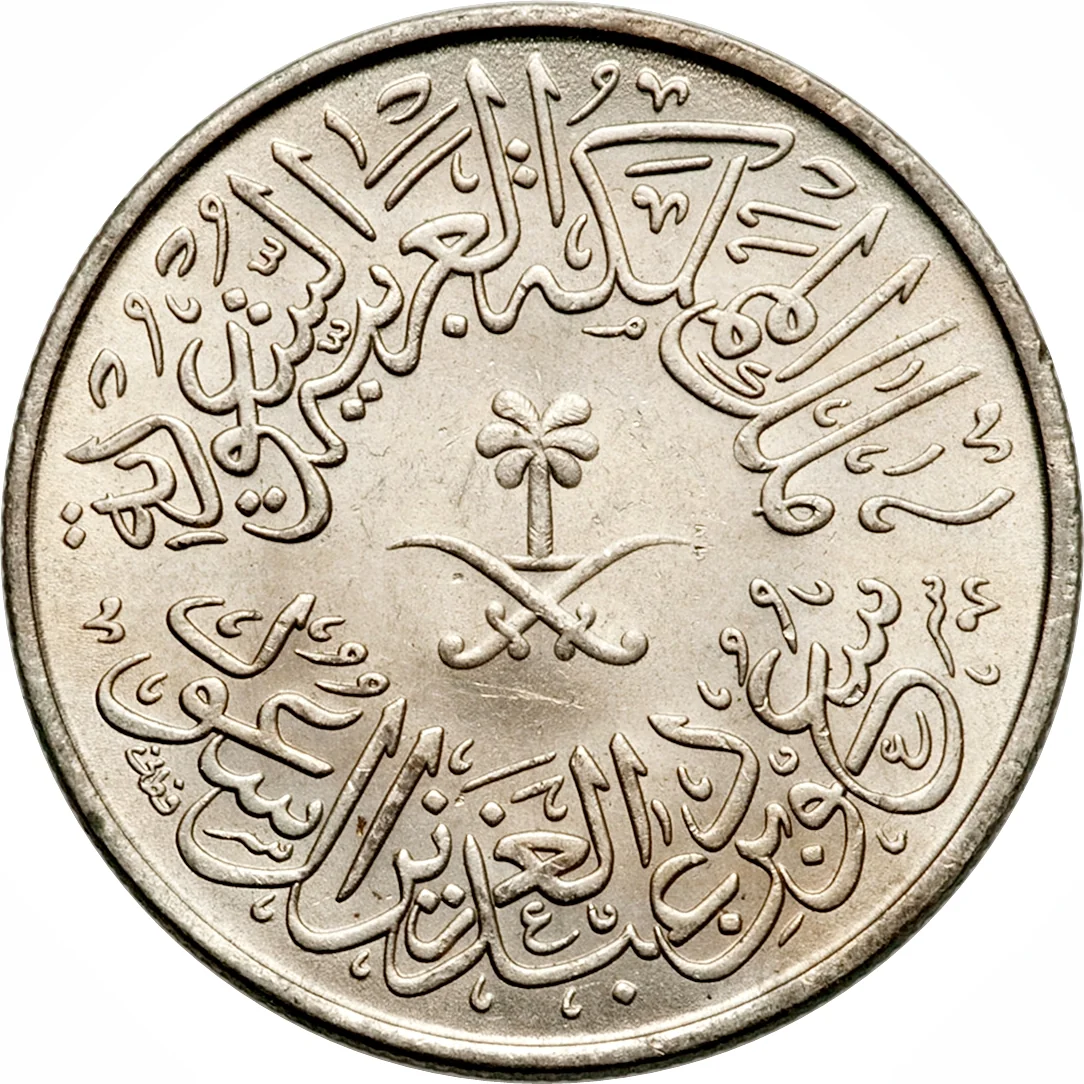
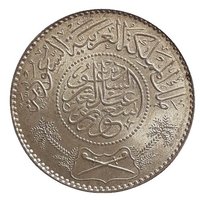
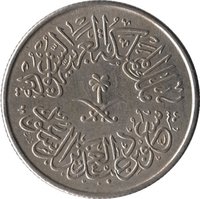
Obverse
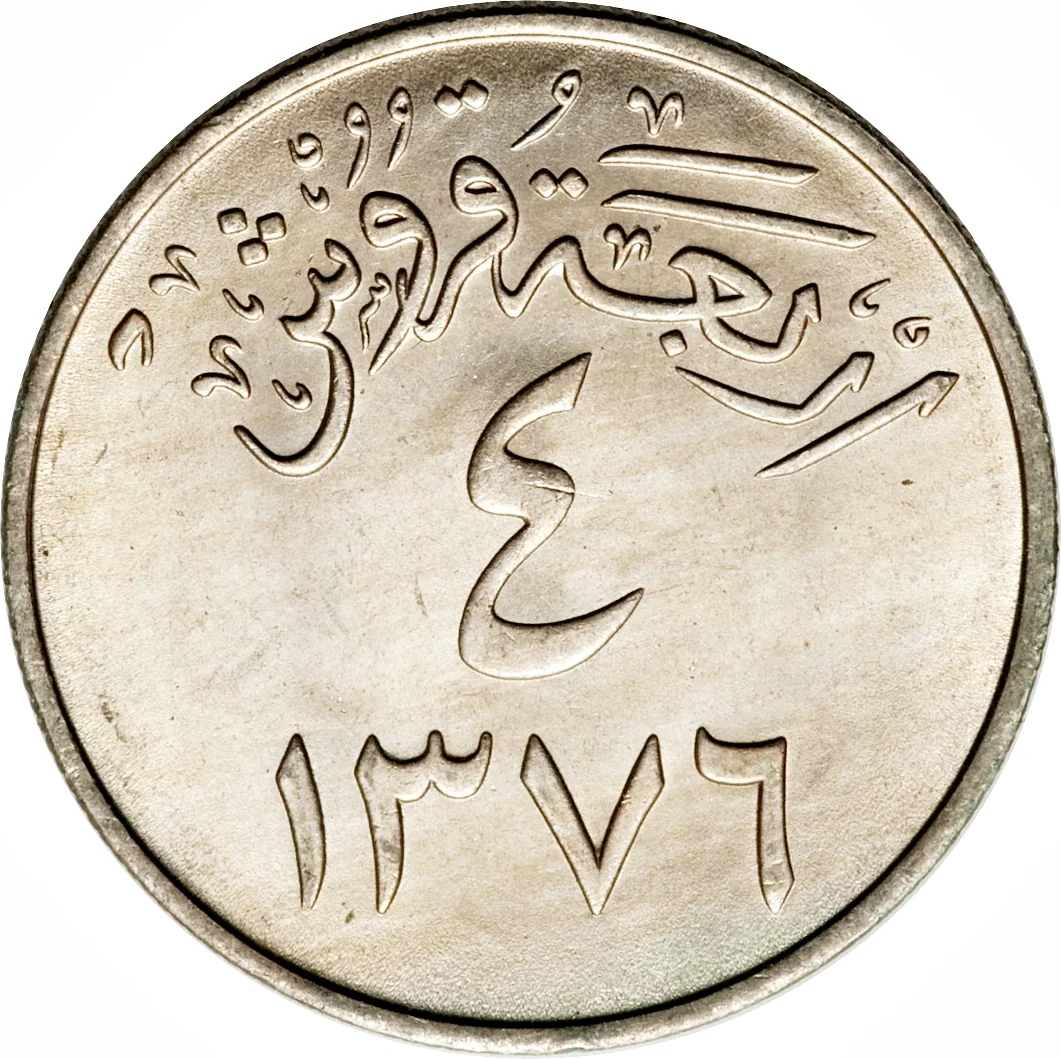
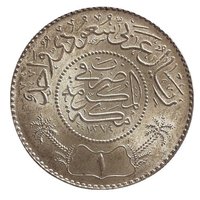
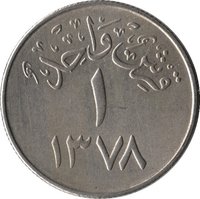
Reverse
Edge
Reeded
Categories
| Plant> Tree |
| Symbols> Coat of Arms |
| Object> Cold weapons |
Mints
| Name | Mark |
|---|---|
| Lahore | — |
Mintings
| Year | Mint Mark | Mintage | Quality | Collection |
|---|---|---|---|---|
| 1956 | — | 49,100,000 | ||
| 1958 | — | 10,000,000 |
Historical background
In 1956, Saudi Arabia's currency system was in a state of transition, still anchored by the silver riyal but facing significant external pressures. The nation did not yet have a central bank; instead, the Saudi Arabian Monetary Agency (SAMA), established in 1952, was gradually assuming monetary functions. The currency in circulation was a mix of Saudi silver coins and foreign gold sovereigns, reflecting the region's historic ties to bimetalism and trade. However, the fixed official exchange rate of 3.75 riyals to the U.S. dollar, established in 1954, was coming under strain due to a global silver crisis.
The primary challenge was the soaring international price of silver, which exceeded the face value of the silver riyal coins. This created a powerful incentive for these coins to be smuggled out of the kingdom to be melted down for bullion, threatening a domestic coin shortage. To combat this, SAMA took decisive action in 1956 by introducing a new "Pilgrims' Receipts" system. These paper notes, intended initially for pilgrims exchanging foreign currency, were backed 100% by silver reserves and were made legal tender. This move was a crucial step in replacing heavy silver coins with more practical paper currency and protecting the nation's monetary stock.
Thus, the currency situation in 1956 was defined by SAMA's proactive efforts to modernize the financial system and maintain stability. While the riyal's peg to the dollar provided a framework, the immediate battle was against speculative silver exports. The successful issuance of Pilgrims' Receipts marked a pivotal shift towards a paper-based currency, laying the groundwork for the full issuance of Saudi banknotes in the coming years and strengthening SAMA's role in managing the kingdom's monetary policy.
The primary challenge was the soaring international price of silver, which exceeded the face value of the silver riyal coins. This created a powerful incentive for these coins to be smuggled out of the kingdom to be melted down for bullion, threatening a domestic coin shortage. To combat this, SAMA took decisive action in 1956 by introducing a new "Pilgrims' Receipts" system. These paper notes, intended initially for pilgrims exchanging foreign currency, were backed 100% by silver reserves and were made legal tender. This move was a crucial step in replacing heavy silver coins with more practical paper currency and protecting the nation's monetary stock.
Thus, the currency situation in 1956 was defined by SAMA's proactive efforts to modernize the financial system and maintain stability. While the riyal's peg to the dollar provided a framework, the immediate battle was against speculative silver exports. The successful issuance of Pilgrims' Receipts marked a pivotal shift towards a paper-based currency, laying the groundwork for the full issuance of Saudi banknotes in the coming years and strengthening SAMA's role in managing the kingdom's monetary policy.
🌱 Very Common