

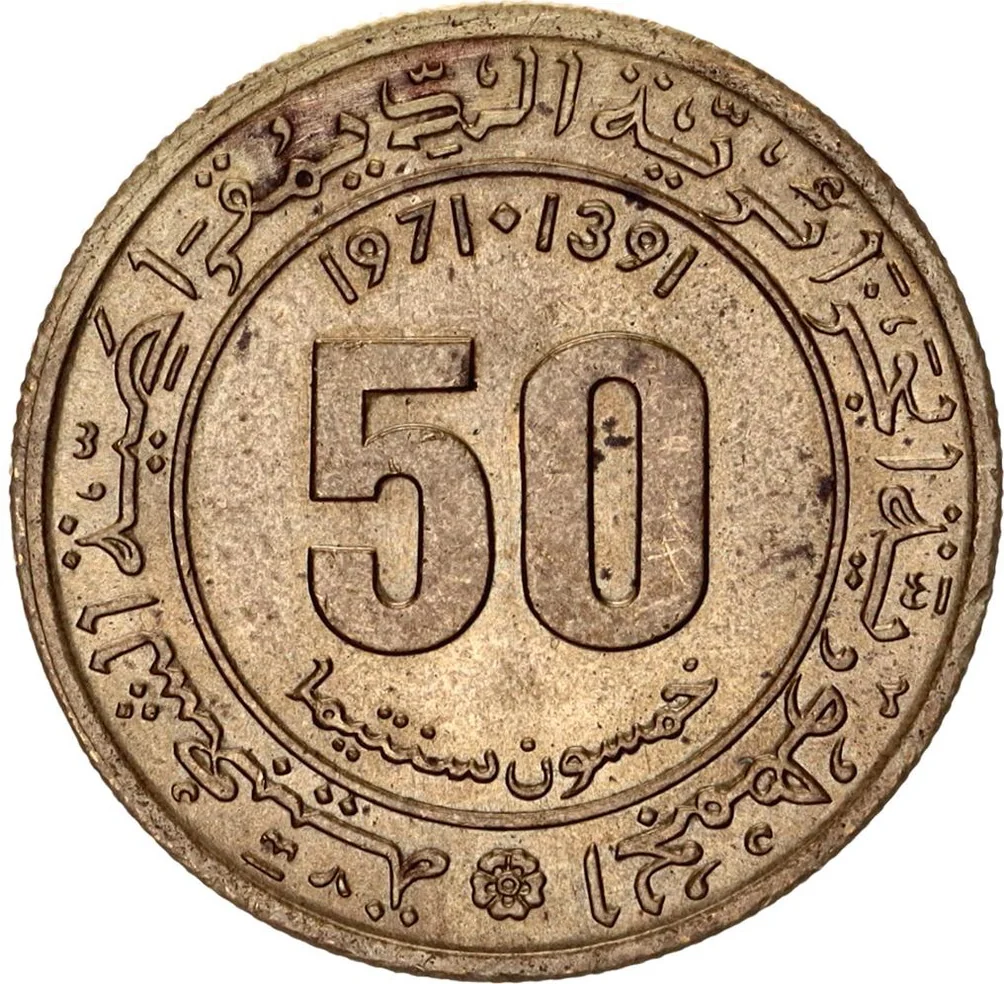
50 centimes – Algeria
Add to wishlist
Algeria
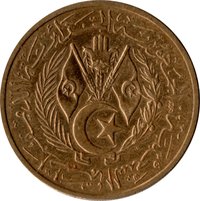
Obverse
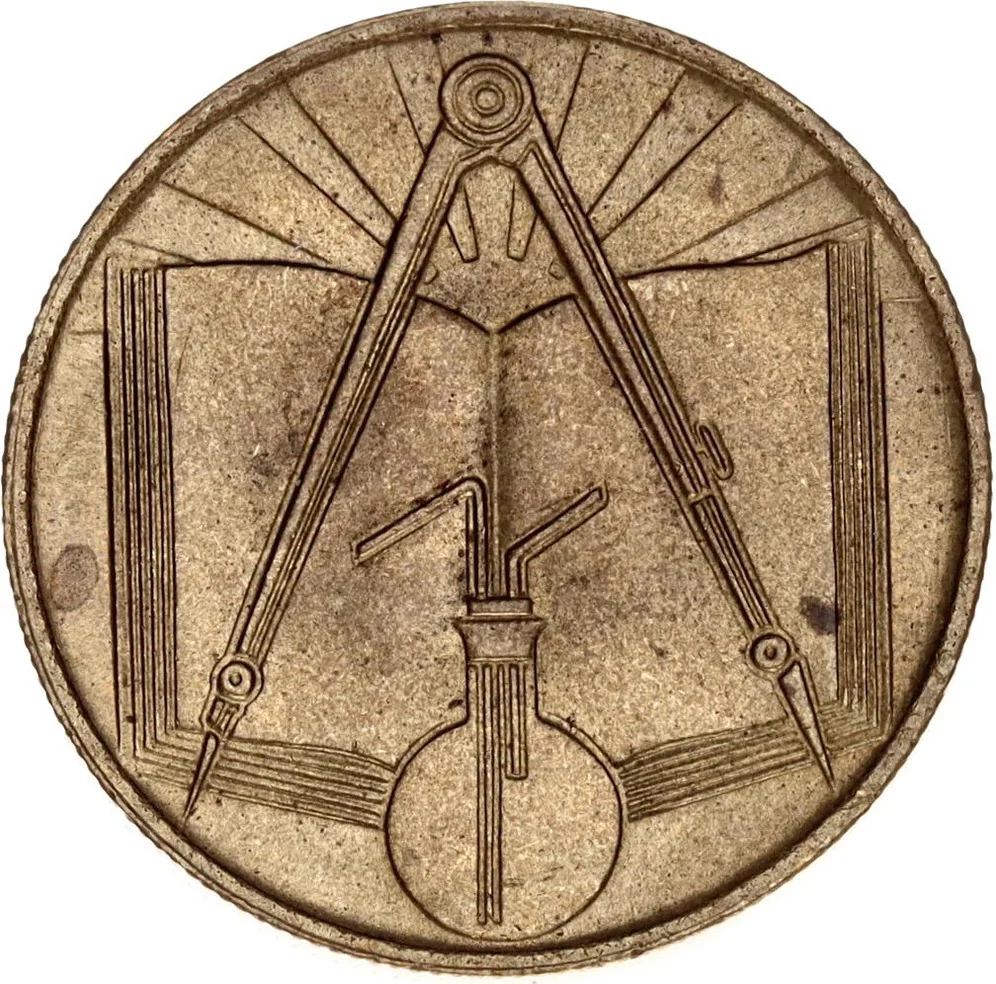
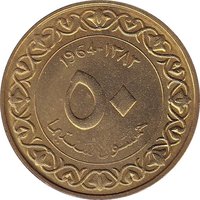
Reverse
Description:
Sunset book with compass and flask.
Edge
Reeded
Mints
| Name | Mark |
|---|---|
| Kremnica | — |
Mintings
| Year | Mint Mark | Mintage | Quality | Collection |
|---|---|---|---|---|
| 1971 | — | 10,000,000 | ||
| 1973 | — | 10,000,000 |
Historical background
In 1971, Algeria's currency situation was fundamentally shaped by the nation's post-independence economic strategy and its relationship with France. Having gained independence in 1962, Algeria initially remained within the Franc Zone, using the Algerian dinar (DZD), which was pegged to the French franc and freely convertible. This arrangement facilitated trade with its former colonial ruler but symbolized a lingering economic dependence that conflicted with the state's drive for sovereignty and socialist-oriented planning under President Houari Boumediene.
The pivotal shift occurred on April 10, 1971, when Algeria officially exited the Franc Zone. This decisive move was a direct component of Boumediene's policy of "economic decolonization," following the 1970 Ordinance on Monetary and Credit. The exit severed the dinar's automatic convertibility with the French franc and placed all foreign exchange transactions under the strict control of the Banque Centrale d'Algérie. The primary goals were to gain autonomous control over monetary policy, insulate the domestic economy from external speculation, and channel all foreign currency earnings toward the state's ambitious industrialization projects, notably in the hydrocarbon sector.
Consequently, 1971 marked Algeria's establishment of a non-convertible, managed currency regime. The dinar's value was now set by the central bank against a basket of currencies, heavily favoring the US dollar due to the growing importance of oil and gas exports. This insulated system allowed the state to mobilize resources for its heavy industry-led development model but also created a complex bureaucracy for foreign trade and planted the seeds for a persistent black market for foreign exchange, challenges that would endure for decades.
The pivotal shift occurred on April 10, 1971, when Algeria officially exited the Franc Zone. This decisive move was a direct component of Boumediene's policy of "economic decolonization," following the 1970 Ordinance on Monetary and Credit. The exit severed the dinar's automatic convertibility with the French franc and placed all foreign exchange transactions under the strict control of the Banque Centrale d'Algérie. The primary goals were to gain autonomous control over monetary policy, insulate the domestic economy from external speculation, and channel all foreign currency earnings toward the state's ambitious industrialization projects, notably in the hydrocarbon sector.
Consequently, 1971 marked Algeria's establishment of a non-convertible, managed currency regime. The dinar's value was now set by the central bank against a basket of currencies, heavily favoring the US dollar due to the growing importance of oil and gas exports. This insulated system allowed the state to mobilize resources for its heavy industry-led development model but also created a complex bureaucracy for foreign trade and planted the seeds for a persistent black market for foreign exchange, challenges that would endure for decades.
🌱 Very Common