

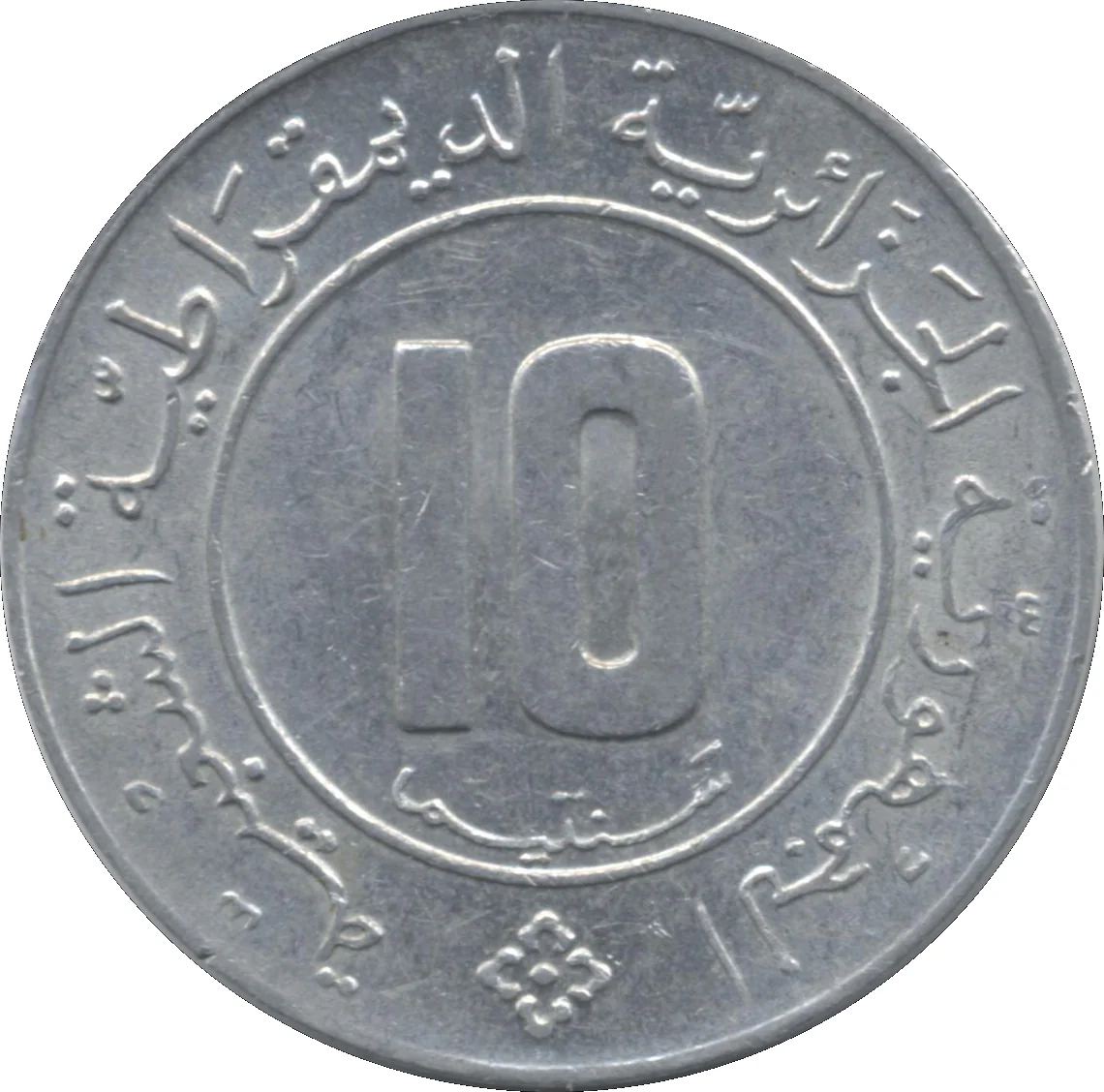
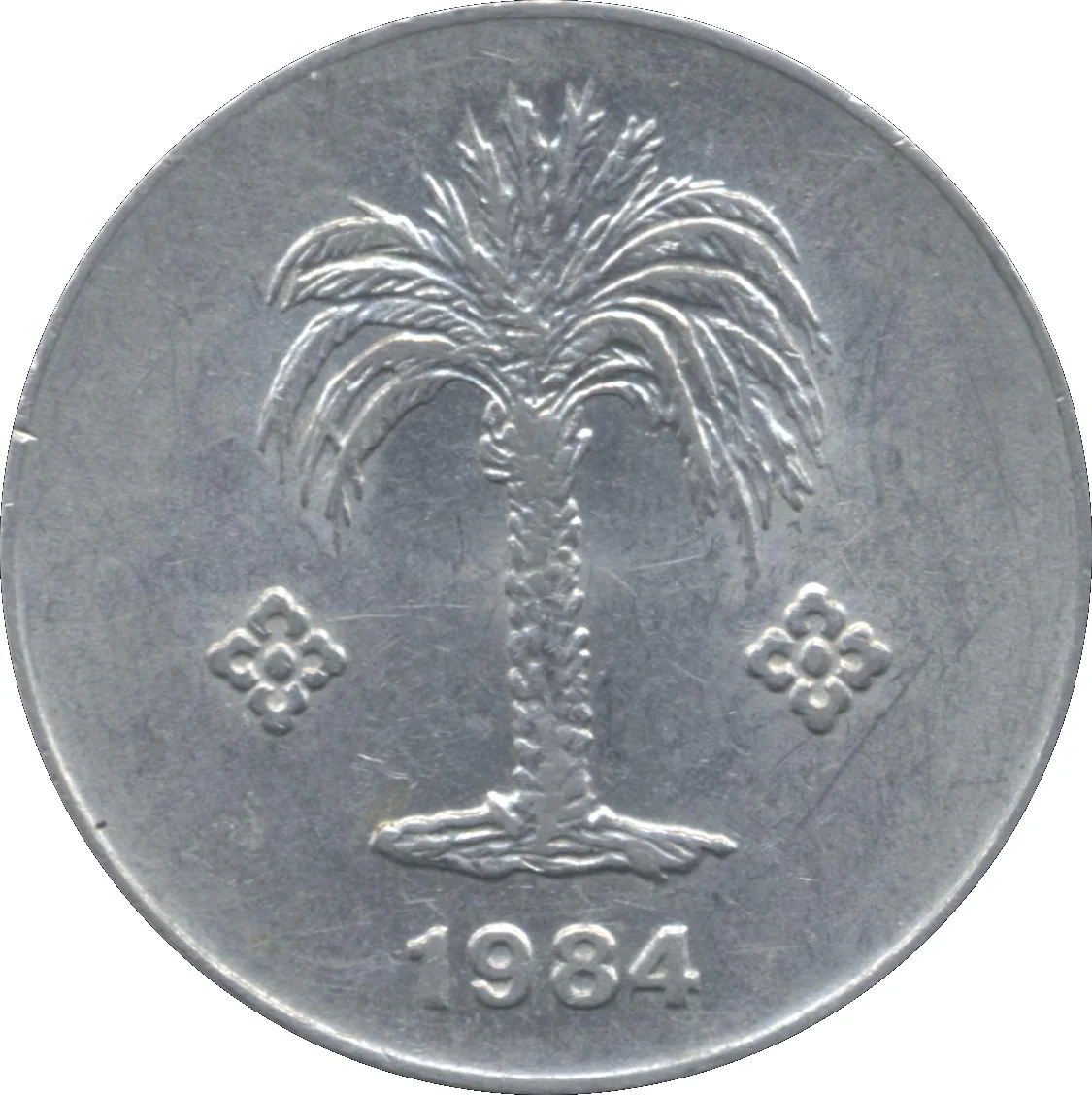
10 centimes – Algeria
Add to wishlist
Algeria
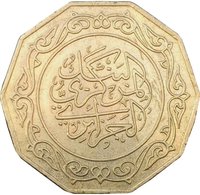
Obverse
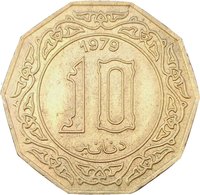
Reverse
Edge
Plain
Mintings
| Year | Mint Mark | Mintage | Quality | Collection |
|---|---|---|---|---|
| 1984 | — | 31,840,000 | ||
| 1989 | — | 3,759,000 |
Historical background
In 1984, Algeria's currency situation was characterized by a tightly controlled and overvalued dinar, operating within a complex multi-tiered exchange rate system. The official exchange rate, set by the Banque d'Algérie, was fixed at approximately 4.92 Algerian dinars (DZD) to one US dollar. However, this rate was largely artificial and reserved for strategic imports like essential foodstuffs, medicines, and capital goods for the state-led industrial sector. This overvaluation, a legacy of the 1970s oil boom, created significant distortions, making imports artificially cheap for the state but discouraging non-hydrocarbon exports and fostering a reliance on energy revenues.
Alongside the official rate, a secondary "financial" or "parallel" market existed for other transactions, offering a less favorable rate for the dinar. More critically, a thriving black market for foreign currency operated due to severe restrictions on convertibility and access to hard currency for individuals and private businesses. This black market rate was substantially higher than the official rate, reflecting the dinar's true market weakness and the scarcity of dollars and French francs outside official channels. This disparity encouraged corruption and rent-seeking, as those with access to cheap official currency could profit immensely.
The underlying fragility of this system was its complete dependence on hydrocarbon exports, which accounted for over 95% of foreign exchange earnings. The global oil price collapse that began in 1981 and accelerated through the mid-1980s was therefore creating immense pressure. By 1984, falling oil revenues were sharply depleting foreign reserves, making the overvalued dinar increasingly unsustainable and exposing the inefficiencies of the state-centric economic model. This fiscal strain set the stage for the economic crises and eventual, painful structural adjustment programs Algeria would undertake in the late 1980s and early 1990s.
Alongside the official rate, a secondary "financial" or "parallel" market existed for other transactions, offering a less favorable rate for the dinar. More critically, a thriving black market for foreign currency operated due to severe restrictions on convertibility and access to hard currency for individuals and private businesses. This black market rate was substantially higher than the official rate, reflecting the dinar's true market weakness and the scarcity of dollars and French francs outside official channels. This disparity encouraged corruption and rent-seeking, as those with access to cheap official currency could profit immensely.
The underlying fragility of this system was its complete dependence on hydrocarbon exports, which accounted for over 95% of foreign exchange earnings. The global oil price collapse that began in 1981 and accelerated through the mid-1980s was therefore creating immense pressure. By 1984, falling oil revenues were sharply depleting foreign reserves, making the overvalued dinar increasingly unsustainable and exposing the inefficiencies of the state-centric economic model. This fiscal strain set the stage for the economic crises and eventual, painful structural adjustment programs Algeria would undertake in the late 1980s and early 1990s.
🌱 Common