

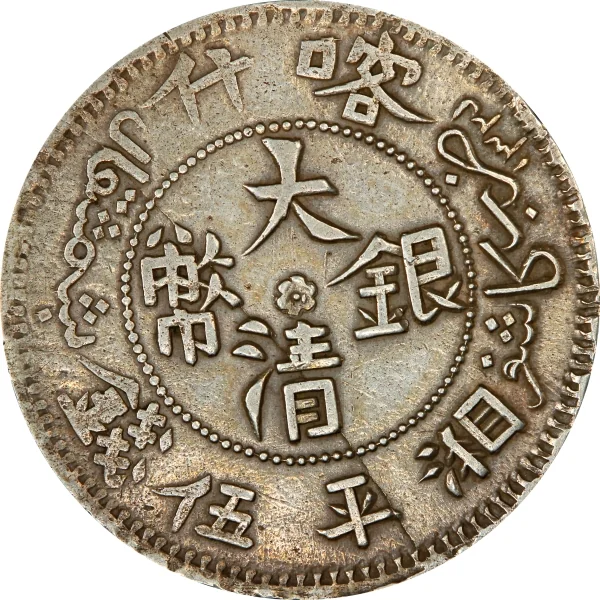
5 mithqual – Sinkiang Province
Add to wishlist
China
Context
Year: 1907
Islamic (Hijri) Year:: 1325
Country: China
Issuer: Sinkiang Province
Ruler: Guangxu
Demonetized: Yes
Material
References
Y: #
Numista: #291929
Value
Bullion value: $42.07
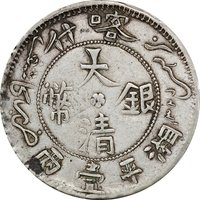
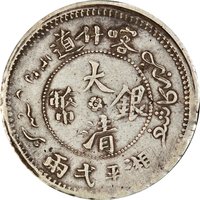
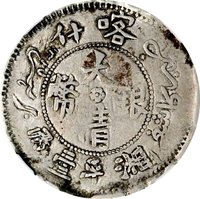
Obverse
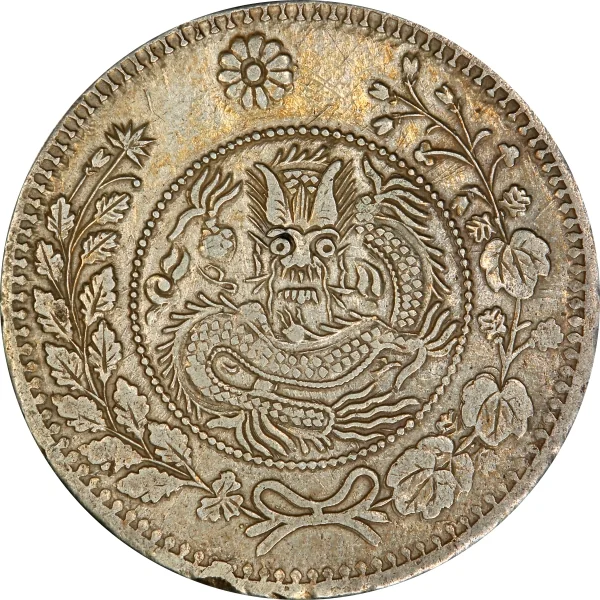
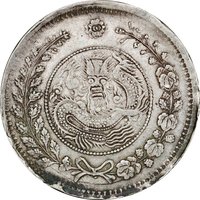
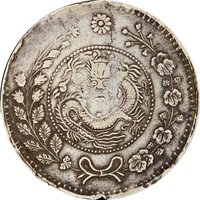
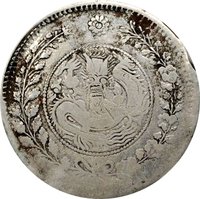
Reverse
Description:
Dragon encircling a central pearl.
Edge
Reeded.
Mintings
| Year | Mint Mark | Mintage | Quality | Collection |
|---|---|---|---|---|
| 1907 | — | — |
Historical background
In 1907, the currency situation in Sinkiang (Xinjiang) Province was a complex and fragmented reflection of its position at the crossroads of empires. The official currency, the Xinjiang Tael (Yinpiao or "cash notes"), was issued by the provincial government under Qing authority. However, these notes were not standardized and suffered from severe depreciation and regional variability, with different issues circulating at varying discounts depending on their place of issuance (e.g., Kashgar, Ili, Ürümqi). This devaluation was driven by chronic fiscal deficits, as the remote province required substantial subsidies from the central government, which were often inadequate, leading local authorities to print money to cover expenses.
Alongside this unstable paper currency, physical silver and copper remained fundamental units of account and trade. Transactions, particularly large ones, were often calculated in taels of silver, though actual Russian silver coins, notably the Tsarist Russian ruble (known locally as the "Yambu"), were highly trusted and widely circulated, especially in northern and western Sinkiang. Russian rubles and kopecks became a de facto hard currency due to extensive cross-border trade and Russian commercial influence, creating a monetary duality. Meanwhile, small daily transactions relied on copper cash coins (with a square hole), though their quality and exchange rate against paper and silver also fluctuated locally.
This monetary chaos presented significant obstacles to commerce and governance. Merchants had to navigate a bewildering array of exchange rates and discounts, which stifled economic integration within the province itself. The situation underscored the Qing dynasty's weakening administrative and fiscal control over its far western frontier on the eve of its collapse. The prevalence of Russian currency was a tangible sign of St. Petersburg's growing economic and political penetration into the region, setting the stage for the geopolitical struggles that would follow in the coming decades.
Alongside this unstable paper currency, physical silver and copper remained fundamental units of account and trade. Transactions, particularly large ones, were often calculated in taels of silver, though actual Russian silver coins, notably the Tsarist Russian ruble (known locally as the "Yambu"), were highly trusted and widely circulated, especially in northern and western Sinkiang. Russian rubles and kopecks became a de facto hard currency due to extensive cross-border trade and Russian commercial influence, creating a monetary duality. Meanwhile, small daily transactions relied on copper cash coins (with a square hole), though their quality and exchange rate against paper and silver also fluctuated locally.
This monetary chaos presented significant obstacles to commerce and governance. Merchants had to navigate a bewildering array of exchange rates and discounts, which stifled economic integration within the province itself. The situation underscored the Qing dynasty's weakening administrative and fiscal control over its far western frontier on the eve of its collapse. The prevalence of Russian currency was a tangible sign of St. Petersburg's growing economic and political penetration into the region, setting the stage for the geopolitical struggles that would follow in the coming decades.
✨ Legendary