

1000 dinars – Iran
Add to wishlist
Iran
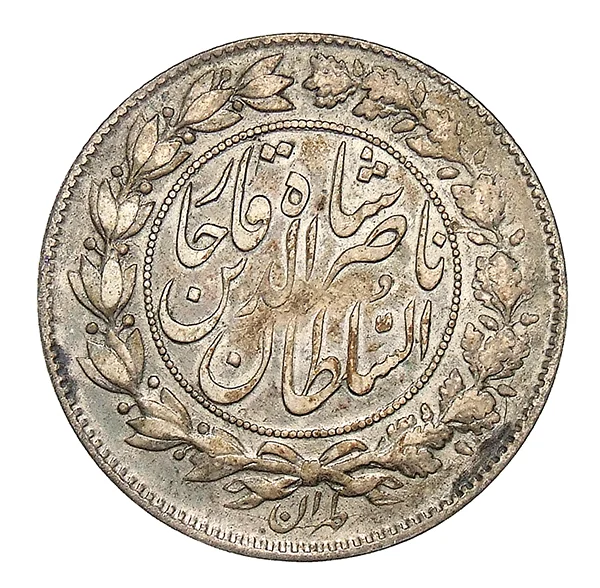
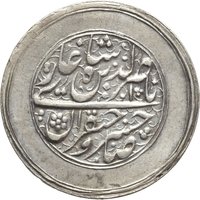
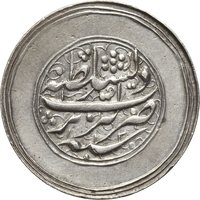
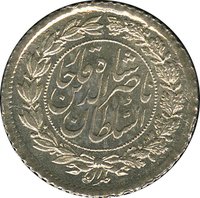
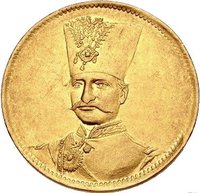
Obverse
Description:
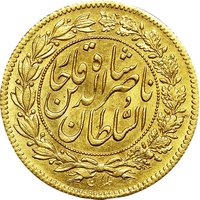
Legend and value within beaded wreath circle.
Inscription:
شاه قاجار
ناصرالدين
السُّلطان
طهران
ناصرالدين
السُّلطان
طهران
Translation:
Shah Qajar
Nasir al-Din
The Sultan
Tehran
Nasir al-Din
The Sultan
Tehran
Script: Persian (nastaliq)
Language: Persian
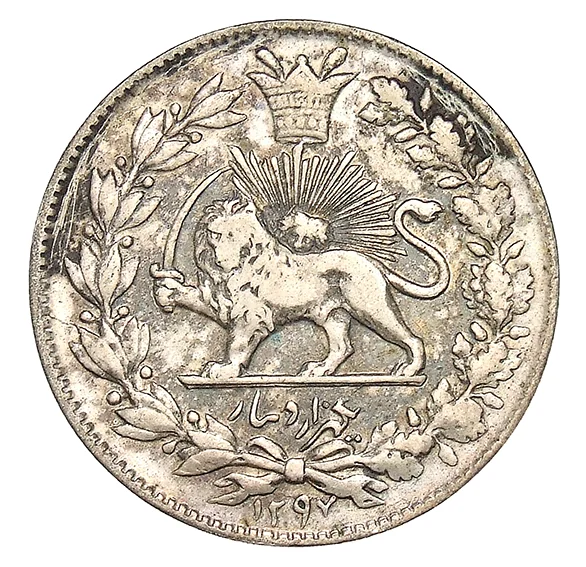
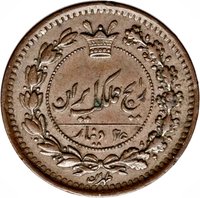
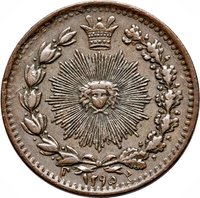
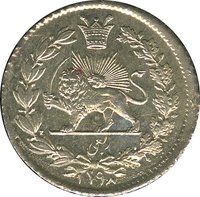
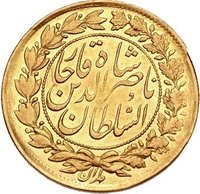
Reverse
Description:
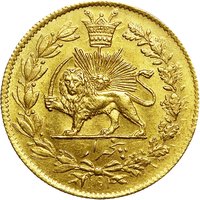
Crowned lion and sun in wreath.
Inscription:
يكهزار دینار
١٢٩۵
١٢٩۵
Translation:
One thousand dinars
1295
1295
Script: Persian (nastaliq)
Language: Persian
Edge
Reeded
Mints
| Name | Mark |
|---|---|
| Tehran | — |
Mintings
| Year | Mint Mark | Mintage | Quality | Collection |
|---|---|---|---|---|
| 1877 | — | — | ||
| 1878 | — | — | ||
| 1879 | — | — | ||
| 1880 | — | — | ||
| 1881 | — | — |
Historical background
In 1877, Iran’s currency system was in a state of profound disorder, a legacy of the Qajar dynasty’s weak central authority and chronic fiscal mismanagement. The monetary landscape was a chaotic patchwork of domestic and foreign coins. The primary unit was the silver qiran (also spelled kran), but its value and silver content were unstable due to repeated debasement by the government to finance its deficits. Alongside these, a plethora of copper shahis and dinars circulated for small transactions, while gold tomans (worth 10 qirans) were used for large-scale trade and state accounting. Crucially, foreign silver coins, especially the Russian ruble and British Indian rupee, circulated widely, particularly in border regions and major trading ports, undermining national monetary sovereignty.
This instability was exacerbated by the absence of a central bank or a unified minting policy. Provincial rulers and even private individuals often struck coins of irregular weight and purity, leading to wide discrepancies in exchange rates between cities. The situation created a booming business for money changers (sarrafs) but imposed heavy costs on merchants and the populace, who faced constant uncertainty in everyday transactions. Furthermore, the government’s heavy reliance on foreign loans, particularly from Britain, and substantial trade deficits, were draining silver from the country, leading to a scarcity of sound coinage.
The currency crisis of this period was both a symptom and a cause of Iran’s increasing integration into the global economy and Great Power politics. European demands for payment in silver for imports, coupled with the Qajar court’s extravagant spending, created a persistent outflow of precious metals. This systemic weakness would soon prompt some early, albeit ineffective, reform attempts, such as the establishment of a short-lived state bank in the 1880s. Ultimately, the monetary chaos of 1877 reflected Iran’s broader struggle to modernize its fiscal structures in the face of internal decay and intense external pressure.
This instability was exacerbated by the absence of a central bank or a unified minting policy. Provincial rulers and even private individuals often struck coins of irregular weight and purity, leading to wide discrepancies in exchange rates between cities. The situation created a booming business for money changers (sarrafs) but imposed heavy costs on merchants and the populace, who faced constant uncertainty in everyday transactions. Furthermore, the government’s heavy reliance on foreign loans, particularly from Britain, and substantial trade deficits, were draining silver from the country, leading to a scarcity of sound coinage.
The currency crisis of this period was both a symptom and a cause of Iran’s increasing integration into the global economy and Great Power politics. European demands for payment in silver for imports, coupled with the Qajar court’s extravagant spending, created a persistent outflow of precious metals. This systemic weakness would soon prompt some early, albeit ineffective, reform attempts, such as the establishment of a short-lived state bank in the 1880s. Ultimately, the monetary chaos of 1877 reflected Iran’s broader struggle to modernize its fiscal structures in the face of internal decay and intense external pressure.
Series: 1877 Iran circulation coins
⭐ Rare