

5 mithqual – Sinkiang Province
Add to wishlist
China
Context
Year: 1890
Islamic (Hijri) Year:: 1307
Country: China
Issuer: Sinkiang Province
Ruler: Guangxu
Demonetized: Yes
References
Numista: #289986
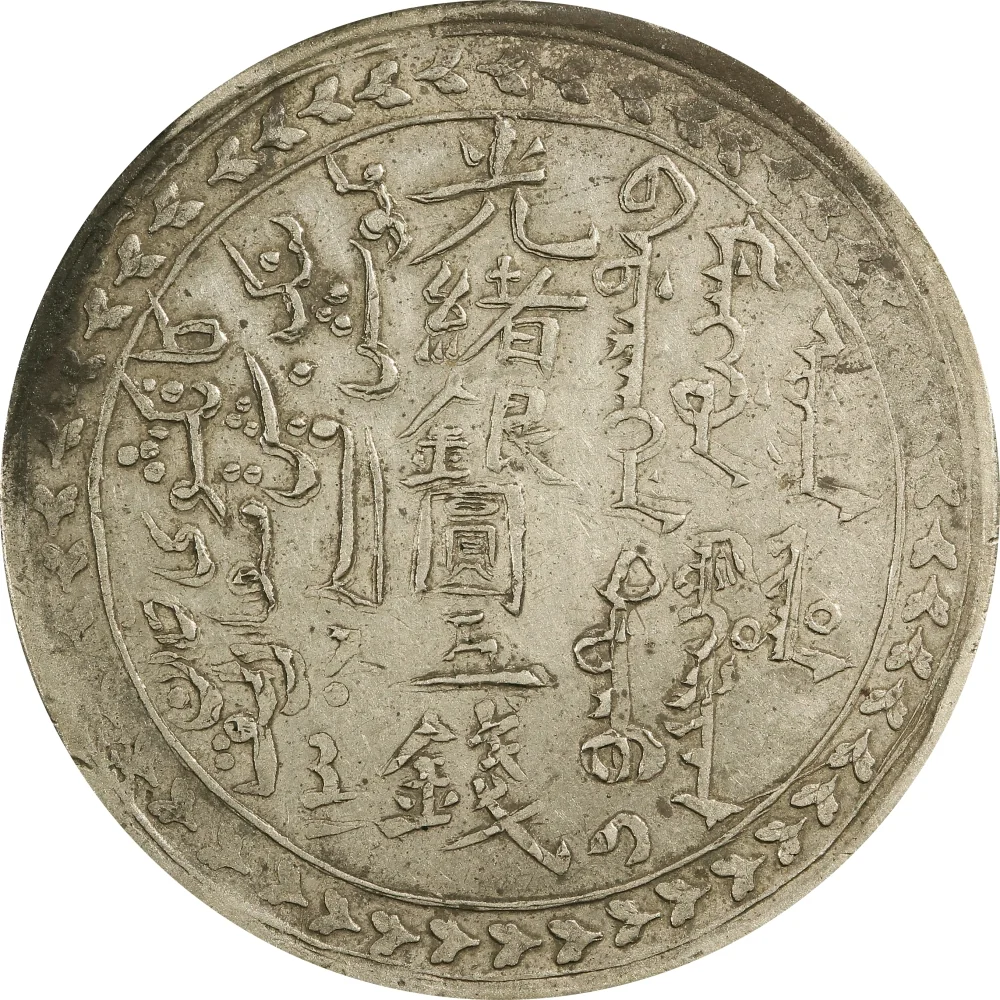
Obverse
Description:
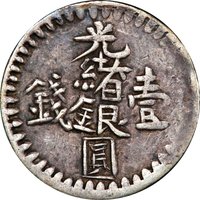
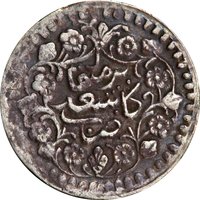
Arabic left, Chinese center, Manchu right.
Inscription:
غشر كا
خان نينغ كيلغان فولي
نوثـو صع ١٣٥٧
光緒銀圓五錢
ᠪᠠᡩᠠᡵᠠᠩᡤᠠ ᡩᠣᡵᠣ ᡳ᠋
ᠮᡝᠩᡤᡠᠨ ᠯᡠᡥᡝᠯᡳᠠᠨ
ᠰᡠᠨᡷᠠ ᡷᡳᡥᠠ
خان نينغ كيلغان فولي
نوثـو صع ١٣٥٧
光緒銀圓五錢
ᠪᠠᡩᠠᡵᠠᠩᡤᠠ ᡩᠣᡵᠣ ᡳ᠋
ᠮᡝᠩᡤᡠᠨ ᠯᡠᡥᡝᠯᡳᠠᠨ
ᠰᡠᠨᡷᠠ ᡷᡳᡥᠠ
Translation:
Ten kā
Khan Ning's currency, arrived
Notho mint, year 1357
Guangxu silver coin, five mace
Badarangga doro i
Menggun juheliyan
Sunja jiha
Khan Ning's currency, arrived
Notho mint, year 1357
Guangxu silver coin, five mace
Badarangga doro i
Menggun juheliyan
Sunja jiha
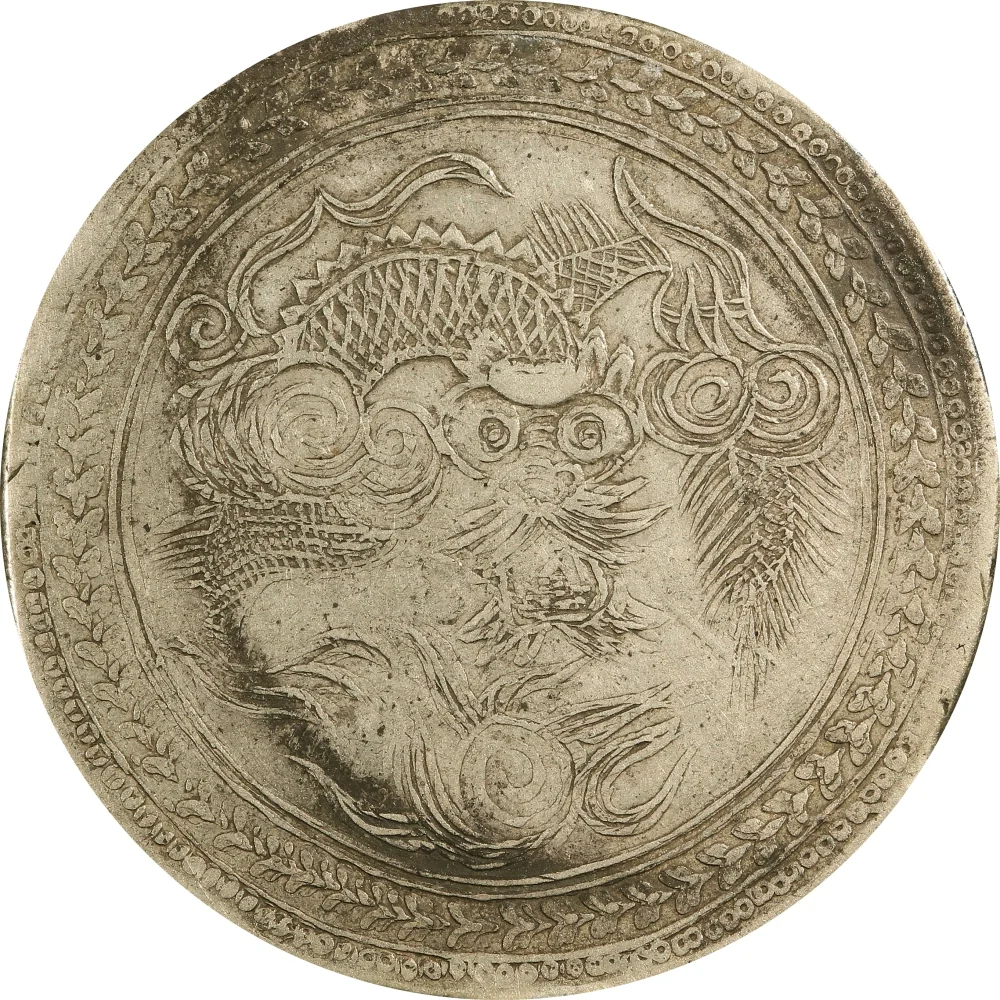
Reverse
Description:
Dragon descending toward a pearl.
Edge
Categories
| Mythology> Fantastic animal |
Mintings
| Year | Mint Mark | Mintage | Quality | Collection |
|---|---|---|---|---|
| 1890 | — | — |
Historical background
In 1890, Sinkiang (Xinjiang) Province operated under a complex and fragmented monetary system, a direct legacy of its position as a Central Asian crossroads. Official Qing dynasty transactions were conducted in silver, primarily using sycee (silver ingots weighed in taels), alongside copper cash coins with square holes strung in strings of 1000 wen. However, the standard, weight, and purity of these currencies were not uniform, creating significant hurdles for trade and taxation. This official bimetallic system was strained by a scarcity of copper coinage minted specifically for the region, leading to widespread counterfeiting and volatility in exchange rates between silver and copper.
Alongside the Qing currency, a multitude of foreign coins circulated freely, reflecting Xinjiang's integration into regional trade networks. Russian Imperial silver rubles and gold tills (from the Russian word for "gold") were particularly dominant in northern Xinjiang due to thriving cross-border commerce. In the south and in major trading centers like Kashgar, Persian and Bukharan silver tangas and gold tillas held sway. British Indian rupees also entered the province via trade routes from Ladakh and India. This created a de facto multi-currency zone where merchants had to be experts in assaying and exchanging various coins.
The Qing authorities, based in the provincial capital of Dihua (Ürümqi), struggled to impose monetary order. Attempts to mint local copper cash at the Bao Di (Treasure of Xinjiang) mint in Aksu were insufficient to meet demand. The situation was further complicated by the legacy of the Yakub Beg period (1865-1877), during which his regime had issued its own coins. By 1890, the Qing restoration was still working to reassert financial control, but the reality on the ground was one of monetary pluralism, where the value of money was often determined more by local market confidence and the intrinsic metal content of a coin than by any central government decree.
Alongside the Qing currency, a multitude of foreign coins circulated freely, reflecting Xinjiang's integration into regional trade networks. Russian Imperial silver rubles and gold tills (from the Russian word for "gold") were particularly dominant in northern Xinjiang due to thriving cross-border commerce. In the south and in major trading centers like Kashgar, Persian and Bukharan silver tangas and gold tillas held sway. British Indian rupees also entered the province via trade routes from Ladakh and India. This created a de facto multi-currency zone where merchants had to be experts in assaying and exchanging various coins.
The Qing authorities, based in the provincial capital of Dihua (Ürümqi), struggled to impose monetary order. Attempts to mint local copper cash at the Bao Di (Treasure of Xinjiang) mint in Aksu were insufficient to meet demand. The situation was further complicated by the legacy of the Yakub Beg period (1865-1877), during which his regime had issued its own coins. By 1890, the Qing restoration was still working to reassert financial control, but the reality on the ground was one of monetary pluralism, where the value of money was often determined more by local market confidence and the intrinsic metal content of a coin than by any central government decree.
✨ Legendary