

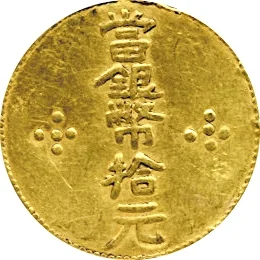

10 yuan – Yunnan Province
Add to wishlist
China
Context
Year: 1917
Country: China
Issuer: Yunnan Province
Period:
(1912—1949)
Currency:
(1908—1949)
Demonetized: Yes
Material
References
Numista: #288266
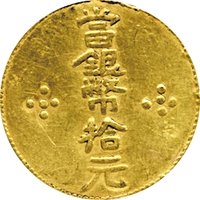
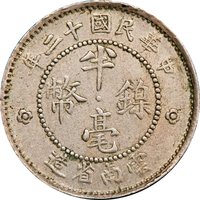
Obverse
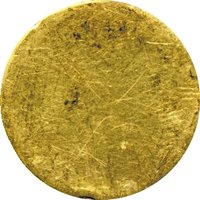
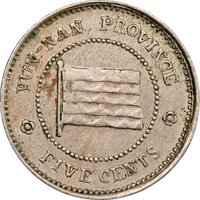
Reverse
Description:
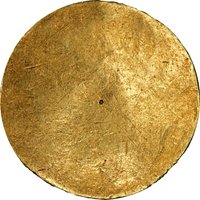
Blank (uniface).
Edge
Mintings
| Year | Mint Mark | Mintage | Quality | Collection |
|---|---|---|---|---|
| 1917 | — | — |
Historical background
In 1917, Yunnan Province operated within the chaotic monetary landscape of the early Chinese Republic, characterized by extreme fragmentation and instability. While nominally part of the Republic of China, Yunnan was under the firm control of the Yunnan Clique, a militarist faction led by Tang Jiyao that often acted independently from the weak central government in Beijing. The national currency system had collapsed, leading to a proliferation of disparate forms of money. The primary mediums of exchange included silver sycee (measured in taels), silver Yunnan half-dollar coins (often debased with copper), and a vast array of paper notes issued not only by the provincial government but also by local banks, military units, and even large merchant firms.
The most pressing issue was the severe over-issuance and depreciation of paper currency. To fund his military ambitions and provincial administration, Tang Jiyao's government relentlessly printed "Yunnan Provincial Bank" notes without sufficient silver reserve backing. This led to rampant inflation and a sharp decline in public trust. By 1917, these notes circulated at a steep discount to silver, and their acceptance, especially outside the capital of Kunming, was often compulsory and unreliable. The situation created a dual-tier economy where precious metal was hoarded for large transactions and savings, while depreciating paper was used for daily wages and small trade, severely disrupting commerce.
Furthermore, Yunnan's economy was strained by its participation in the ongoing National Protection War against the Beijing government, which diverted resources and exacerbated fiscal deficits. The province also felt the influence of foreign currencies, particularly French Indochinese piastres along the Indo-China border trade routes, highlighting the weakness of local money. Consequently, the currency situation in 1917 Yunnan was one of profound disorder, marked by competing issuers, inflationary paper, and a retreat to silver, reflecting the broader political fragmentation and warlord-era struggle for control over China's financial resources.
The most pressing issue was the severe over-issuance and depreciation of paper currency. To fund his military ambitions and provincial administration, Tang Jiyao's government relentlessly printed "Yunnan Provincial Bank" notes without sufficient silver reserve backing. This led to rampant inflation and a sharp decline in public trust. By 1917, these notes circulated at a steep discount to silver, and their acceptance, especially outside the capital of Kunming, was often compulsory and unreliable. The situation created a dual-tier economy where precious metal was hoarded for large transactions and savings, while depreciating paper was used for daily wages and small trade, severely disrupting commerce.
Furthermore, Yunnan's economy was strained by its participation in the ongoing National Protection War against the Beijing government, which diverted resources and exacerbated fiscal deficits. The province also felt the influence of foreign currencies, particularly French Indochinese piastres along the Indo-China border trade routes, highlighting the weakness of local money. Consequently, the currency situation in 1917 Yunnan was one of profound disorder, marked by competing issuers, inflationary paper, and a retreat to silver, reflecting the broader political fragmentation and warlord-era struggle for control over China's financial resources.
✨ Legendary