

50 centimes – Belgium
Add to wishlist
Belgium
Context
Year: 1901
Issuer: Belgium
Ruler: Leopold II
Currency:
(1832—2001)
Demonetization: 30 July 1932
Total mintage: 3,000,000
Material
References
KM: #
Numista: #286
Value
Exchange value: 0.50 BEF
Bullion value: $5.35
Obverse
Description:
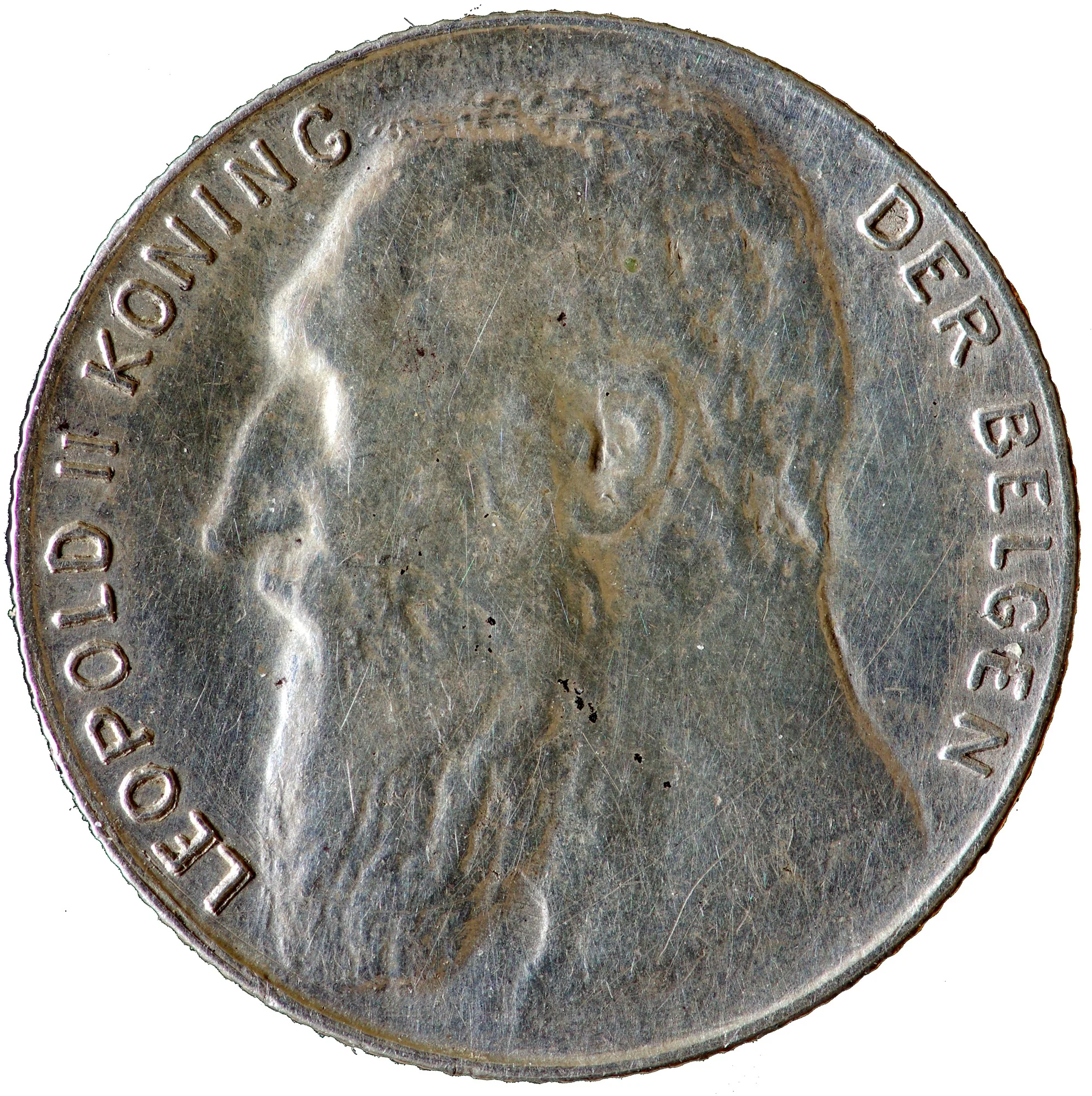
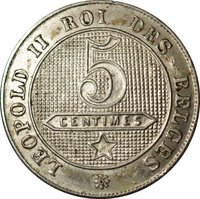
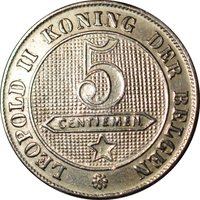
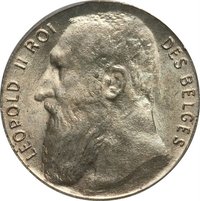
Left-profile portrait of Belgium's Leopold II with Dutch legend.
Inscription:
LEOPOLD II KONING DER BELGEN
Translation:
Leopold II King of the Belgians
Script: Latin
Language: Dutch
Engraver: Thomas Vinçotte
Reverse
Description:
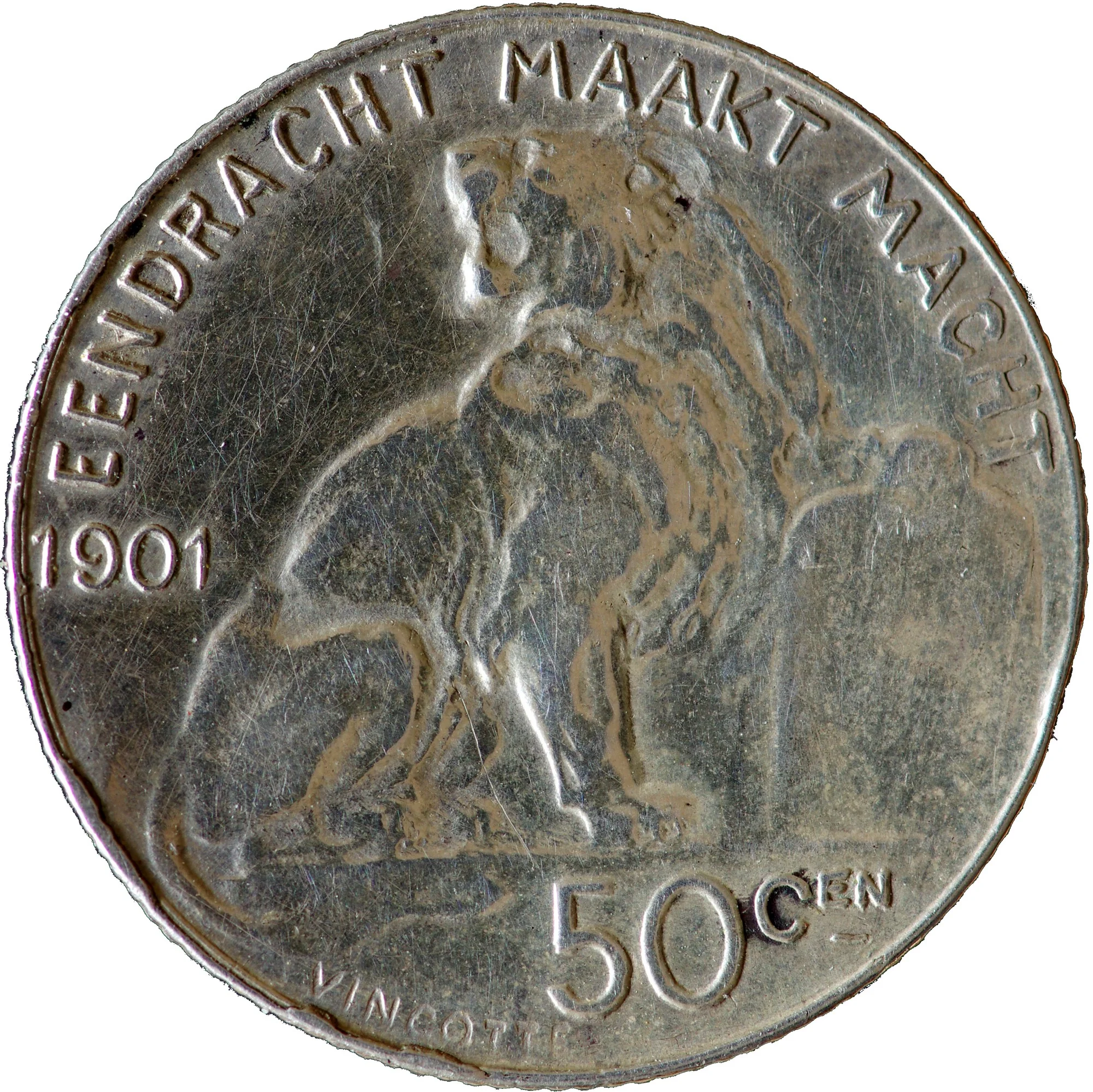
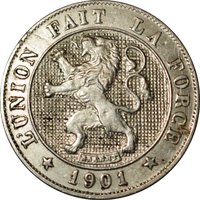
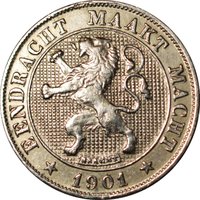
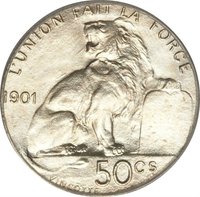
A seated lion, date left, value and designer below. Dutch motto above.
Inscription:
EENDRACHT MAAKT MACHT
1901
50 CEN
VINÇOTTE
1901
50 CEN
VINÇOTTE
Translation:
Unity makes strength
1901
50 cents
Vincotte
1901
50 cents
Vincotte
Script: Latin
Language: Dutch
Engraver: Thomas Vinçotte
Edge
Reeded
Mints
| Name | Mark |
|---|---|
| Royal Mint of Belgium | — |
Mintings
| Year | Mint Mark | Mintage | Quality | Collection |
|---|---|---|---|---|
| 1901 | — | 3,000,000 |
Historical background
In 1901, Belgium operated under a bimetallic monetary system, legally defined by the Latin Monetary Union (LMU) to which it was a founding member. This framework, established in 1865, fixed the values of gold and silver coins (the 20-franc gold piece and 5-franc silver piece) and guaranteed their free circulation across member nations (France, Italy, Switzerland, and later Greece). In practice, however, the global decline in the value of silver had made the system de facto gold-based. The Belgian franc was firmly anchored to gold, with the National Bank of Belgium holding substantial gold reserves to back the currency and ensure stability, both domestically and within the Union.
The period was one of financial conservatism and steady growth. Following the economic turbulence of the 1870s-1890s, the Belgian government and the National Bank prioritized a strong, credible currency to facilitate the nation's significant international trade and industrial expansion. Banknotes, issued by the National Bank, were convertible into gold, reinforcing public and international confidence. This stability was crucial for a small, trade-dependent economy that was a major exporter of manufactured goods, capital, and railway materials, with King Leopold II's controversial Congo Free State (a personal possession, not a Belgian colony until 1908) beginning to influence the economy through the rubber trade.
Nevertheless, the LMU framework was under strain by 1901. Fluctuating silver prices and the unilateral actions of some member states to limit silver coinage created tensions and practical complications. While not yet in crisis, the system's fragility was apparent to contemporary financiers. Domestically, the monetary debate centered on maintaining strict gold convertibility and managing the supply of token silver and bronze coins for everyday transactions, ensuring the smooth functioning of an economy experiencing both industrial prosperity and the social pressures that would lead to significant labour movements in the coming years.
The period was one of financial conservatism and steady growth. Following the economic turbulence of the 1870s-1890s, the Belgian government and the National Bank prioritized a strong, credible currency to facilitate the nation's significant international trade and industrial expansion. Banknotes, issued by the National Bank, were convertible into gold, reinforcing public and international confidence. This stability was crucial for a small, trade-dependent economy that was a major exporter of manufactured goods, capital, and railway materials, with King Leopold II's controversial Congo Free State (a personal possession, not a Belgian colony until 1908) beginning to influence the economy through the rubber trade.
Nevertheless, the LMU framework was under strain by 1901. Fluctuating silver prices and the unilateral actions of some member states to limit silver coinage created tensions and practical complications. While not yet in crisis, the system's fragility was apparent to contemporary financiers. Domestically, the monetary debate centered on maintaining strict gold convertibility and managing the supply of token silver and bronze coins for everyday transactions, ensuring the smooth functioning of an economy experiencing both industrial prosperity and the social pressures that would lead to significant labour movements in the coming years.
Series: 1901 Belgium circulation coins
🌱 Common