

100 Soles (Peru-Japan Relations) – Peru
Non-circulating coins
Commemoration: 100th Anniversary of Peru-Japan Relations
Peru
Context
Material
References
KM: #Click to copy to clipboard261
Numista: #28214
Value
Exchange value: 100 PEH
Bullion value: $51.05
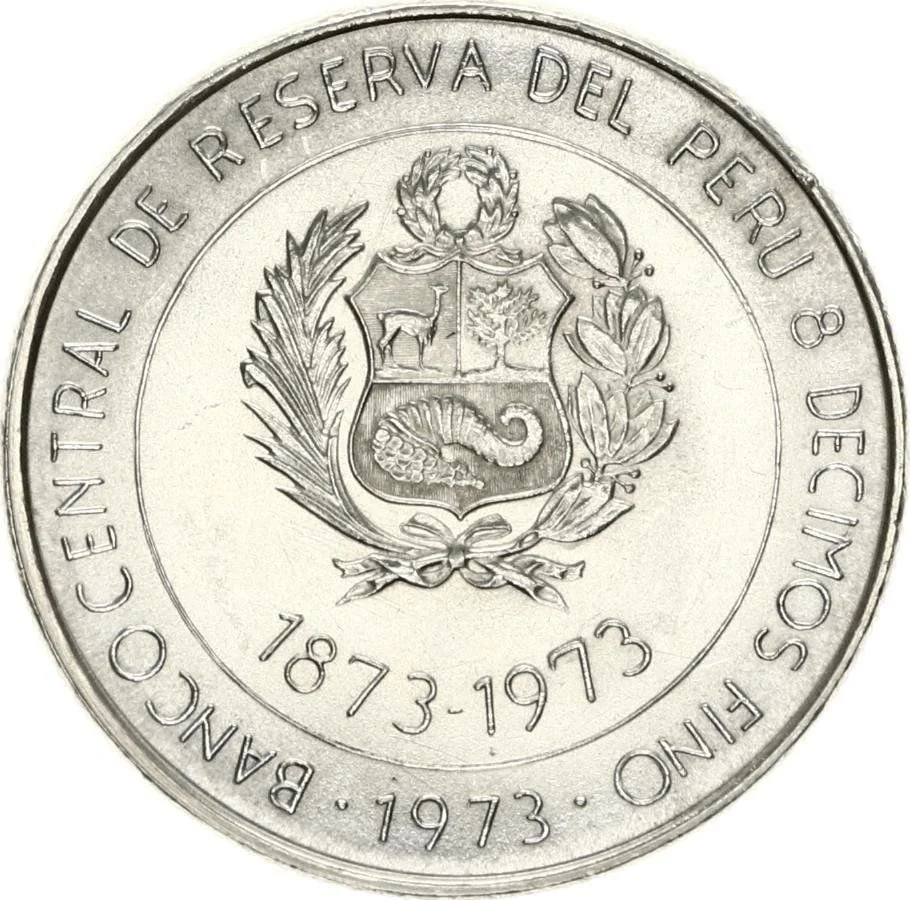
Obverse
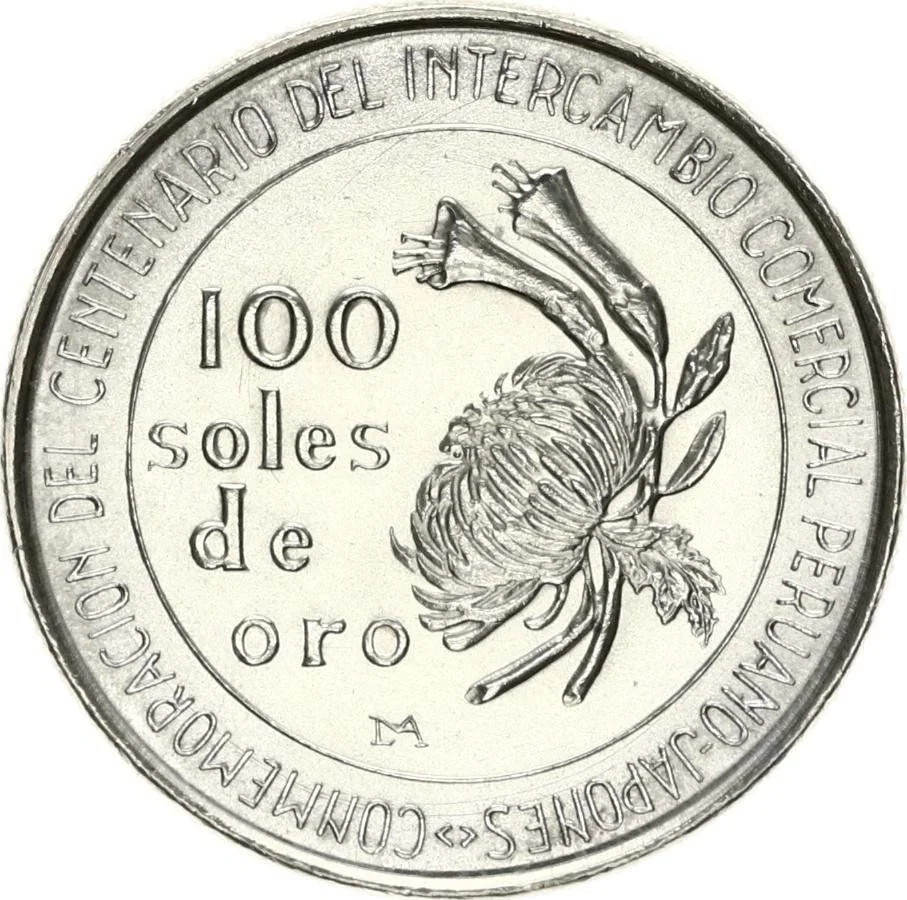
Reverse
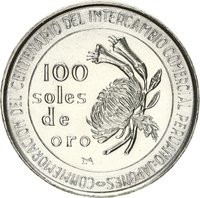
Description:
Left of flower sprig in circle.
Inscription:
COMMEMORACION DEL INTERCAMBIO COMERCIAL PERUANO-JAPONES
100
soles
de
oro
LIMA
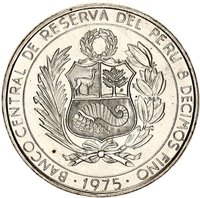
100
soles
de
oro
LIMA
Script: Latin
Edge
Reeded
Mints
| Name | Mark |
|---|---|
| Lima | — |
Mintings
| Year | Mint Mark | Mintage | Quality | Collection |
|---|---|---|---|---|
| 1973 | LIMA | 375,000 |
Historical background
In 1973, Peru was under the left-leaning military government of General Juan Velasco Alvarado, who had seized power in 1968. The regime pursued a nationalist and state-interventionist economic model, characterized by sweeping agrarian reform, the nationalization of key industries (including oil and mining), and expansive social programs. This period saw high levels of public spending financed by external borrowing and controlled exchange rates, which created growing macroeconomic imbalances. The official currency, the sol, was pegged and maintained at an artificially strong value through strict capital controls, leading to a significant disparity with black market rates.
The currency situation was defined by a complex multi-tiered exchange rate system designed to manage foreign exchange scarcity and prioritize government objectives. Different rates applied to essential imports, non-essential imports, and various export sectors, creating a bureaucratic and distorted economic environment. While this control aimed to protect reserves and subsidize key sectors, it discouraged non-traditional exports, encouraged capital flight, and created chronic shortages of foreign currency. The overvalued sol made imports artificially cheap, hurting local industry, while simultaneously making Peruvian exports less competitive on the global market.
Ultimately, the policies of 1973 were unsustainable. The combination of fiscal deficits, reliance on volatile commodity prices for export earnings, and the rigid exchange regime stored up severe problems for the latter half of the decade. By the late 1970s, these distortions, compounded by the global oil crisis and falling copper prices, would lead to a profound economic crisis, severe devaluations, and the eventual collapse of the Velasco model, setting the stage for the economic turmoil of the 1980s.
The currency situation was defined by a complex multi-tiered exchange rate system designed to manage foreign exchange scarcity and prioritize government objectives. Different rates applied to essential imports, non-essential imports, and various export sectors, creating a bureaucratic and distorted economic environment. While this control aimed to protect reserves and subsidize key sectors, it discouraged non-traditional exports, encouraged capital flight, and created chronic shortages of foreign currency. The overvalued sol made imports artificially cheap, hurting local industry, while simultaneously making Peruvian exports less competitive on the global market.
Ultimately, the policies of 1973 were unsustainable. The combination of fiscal deficits, reliance on volatile commodity prices for export earnings, and the rigid exchange regime stored up severe problems for the latter half of the decade. By the late 1970s, these distortions, compounded by the global oil crisis and falling copper prices, would lead to a profound economic crisis, severe devaluations, and the eventual collapse of the Velasco model, setting the stage for the economic turmoil of the 1980s.
🌟 Uncommon