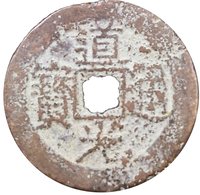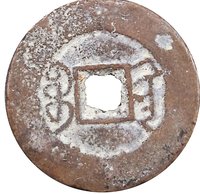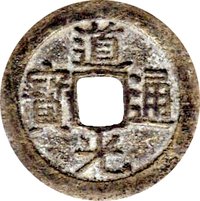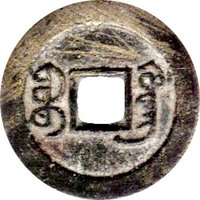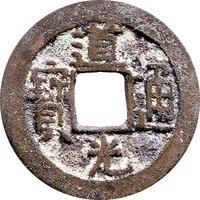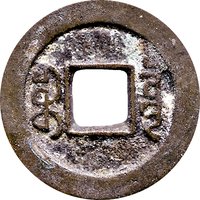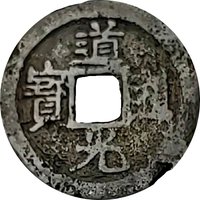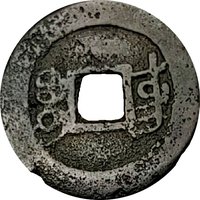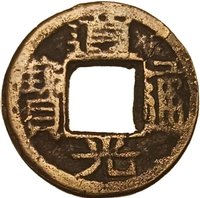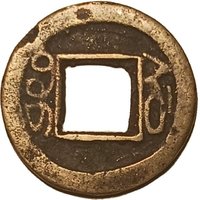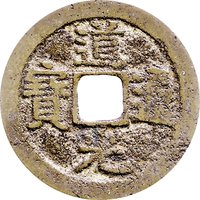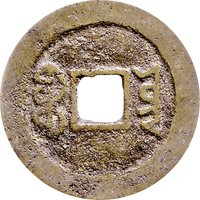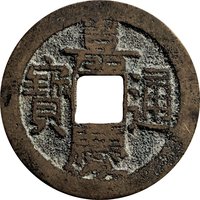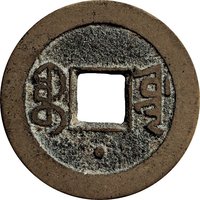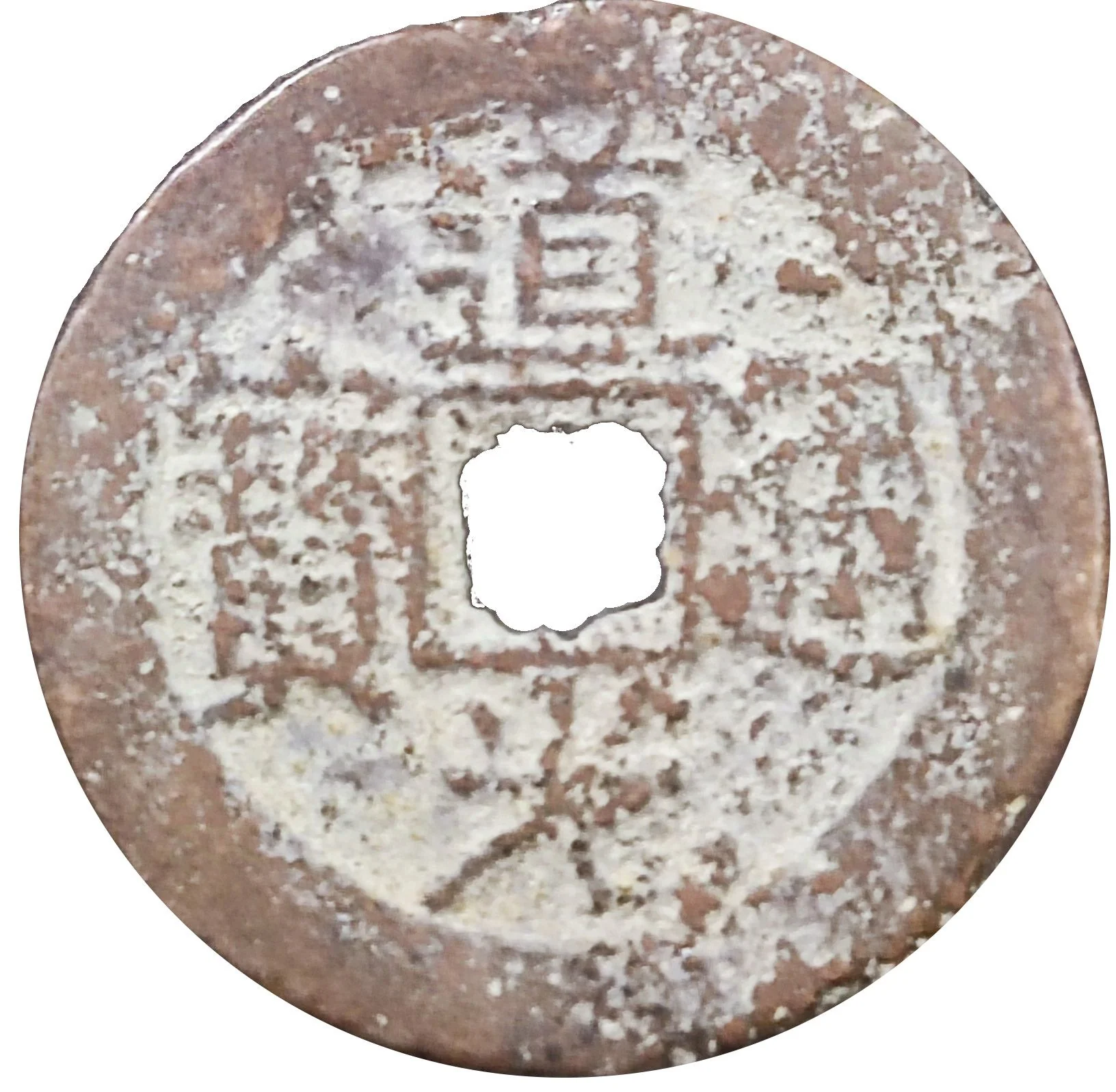
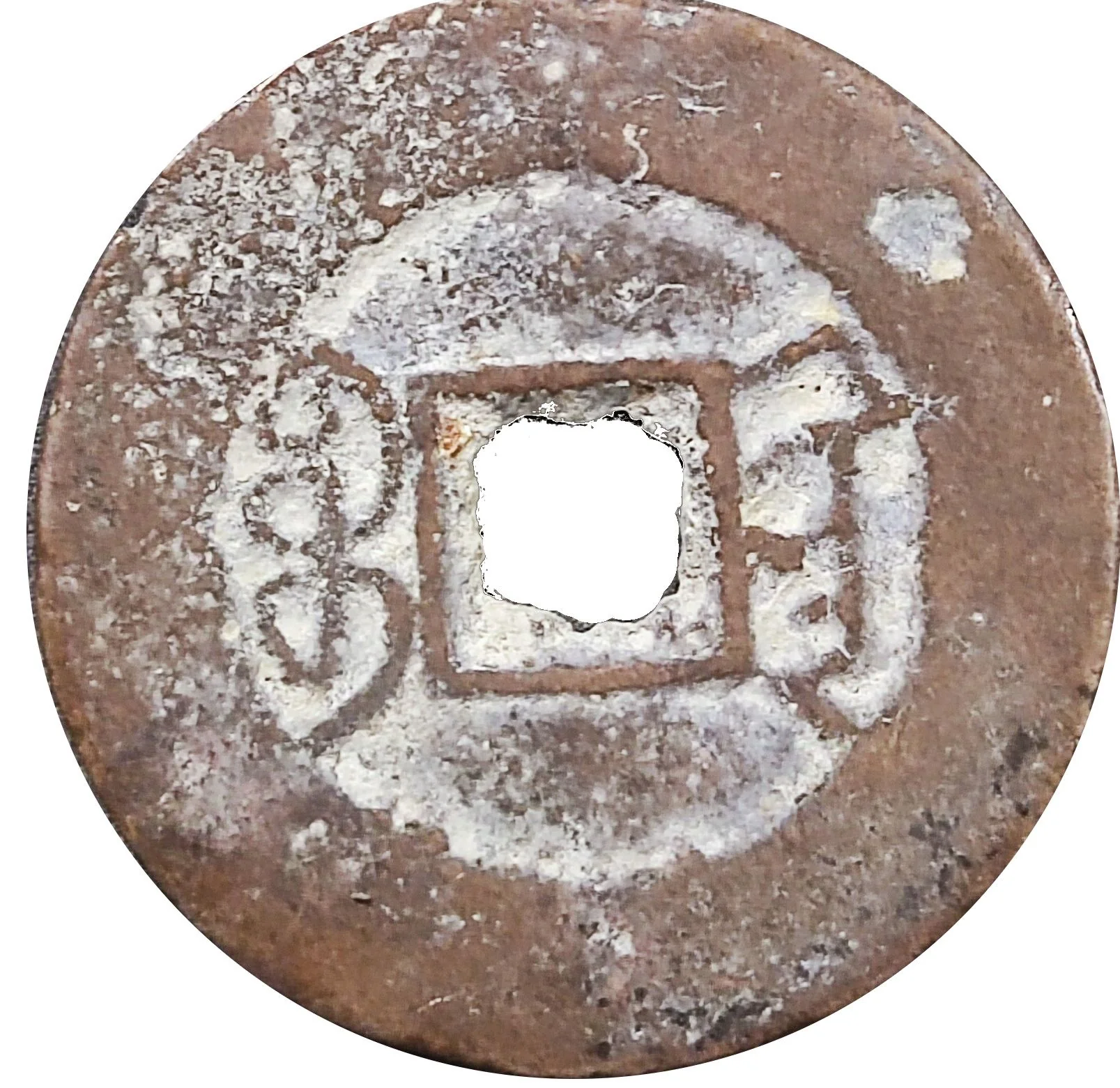
In 1821, the Empire of China under the Daoguang Emperor faced a complex and deteriorating currency situation rooted in a bimetallic system. The official economy operated on a silver
tael (a unit of weight, not a coin) for large transactions and taxation, while copper-alloy
cash coins with a square hole were minted for everyday use. The exchange rate between silver and copper cash was theoretically fixed by the state but fluctuated in practice based on local supply and demand. This created a fragile monetary environment where regional economies could experience significant price instability.
A critical and growing problem was the scarcity of silver, largely driven by an unfavorable trade balance. By the 1820s, the illegal opium trade, financed by foreign merchants (primarily British), was causing massive net outflows of silver bullion from China. This drain depressed the domestic economy, increased the real tax burden (as taxes were assessed in silver but often earned in copper), and created severe deflationary pressures. Simultaneously, provincial mints produced vast quantities of debased copper cash to meet local expenses, leading to inflation in the copper currency and a widening gap between the two metals.
The imperial government in Beijing, while aware of the crisis, struggled to respond effectively. Efforts to curb the opium trade were sporadic and largely unsuccessful at this stage. Proposals to mint standard silver coins or issue paper currency were debated but resisted by conservative officials who viewed such innovations as a departure from tradition and potentially destabilizing. Consequently, by 1821, the currency system was becoming a significant point of economic strain, eroding public finances and peasant livelihoods, and foreshadowing the more severe monetary and social crises that would culminate in the Opium Wars.