

2.5 euro – Luxembourg
Add to wishlist
Non-circulating coins
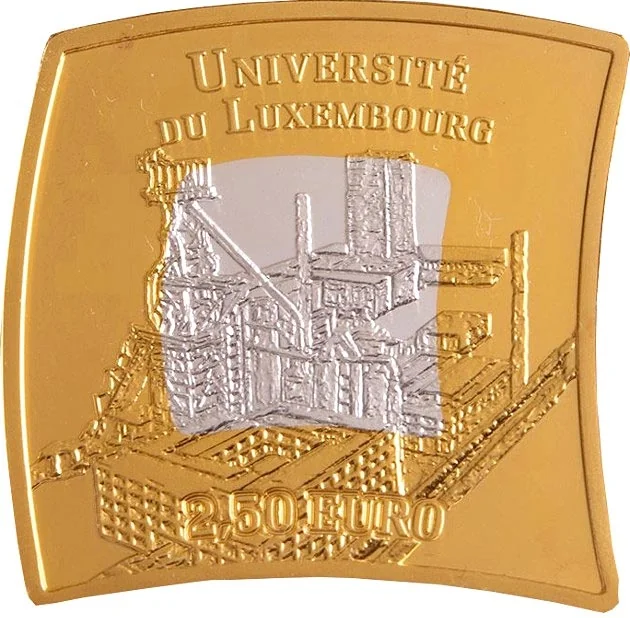
Commemoration: University of Luxembourg
Luxembourg
Context
Year: 2019
Issuer: Luxembourg
Issuing organization: Central Bank of Luxembourg
Period:
Ruler: Henry
Currency:
(since 2002)
Total mintage: 2,500
Material
Weight: 21.81 g
Thickness: 3.1 mm
Shape: Irregular square
Technique: Milled
Alignment: Medal alignment
flip
References
KM: #
Numista: #276325
Value
Exchange value: 2.5 EUR
Inflation-adjusted value: 3.04 EUR
Obverse
Description:
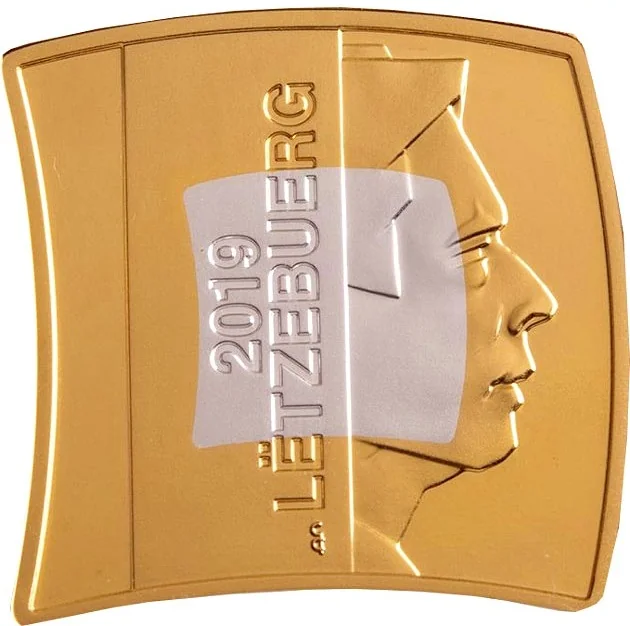
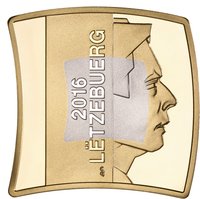
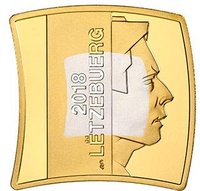
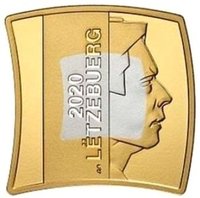
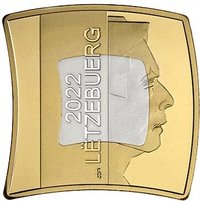
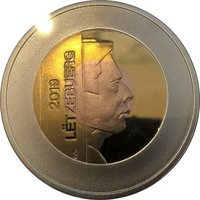
The right half features a geometric portrait of Grand Duke Henri; the left bears "LËTZEBUERG" and the year.
Inscription:
2019 LËTZEBUERG
GC
GC
Translation:
2019 LUXEMBOURG
Grand Duke Henri
Grand Duke Henri
Script: Latin
Languages: Luxembourgish, French
Engraver: Yvette Gastauer-Claire
Reverse
Edge
Plain.
Mintings
| Year | Mint Mark | Mintage | Quality | Collection |
|---|---|---|---|---|
| 2019 | — | 2,500 | Proof |

✨ Legendary