

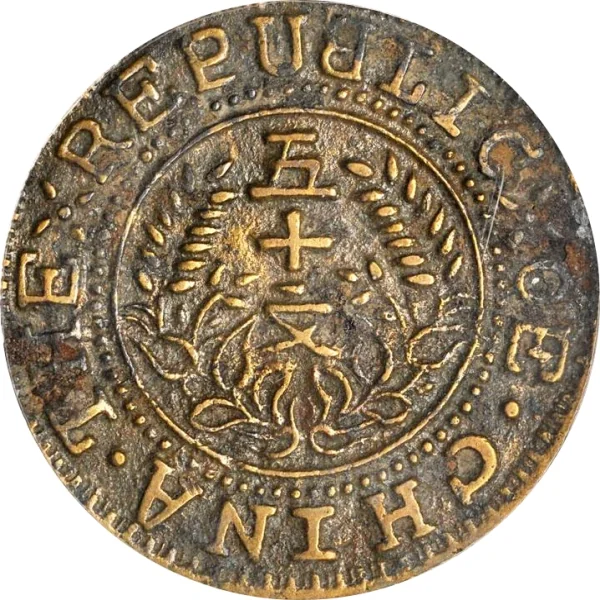
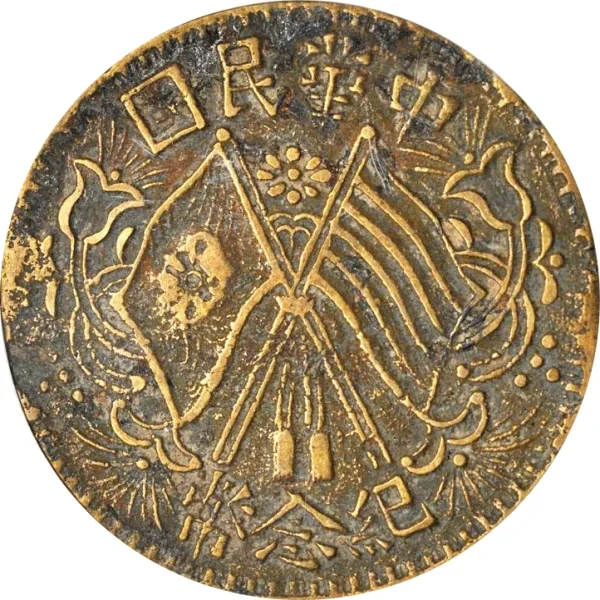
50 cash – Kansu Province
Add to wishlist
China
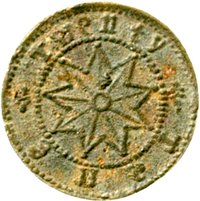
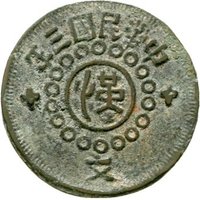
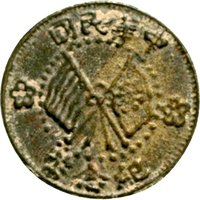
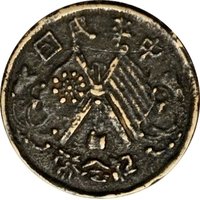
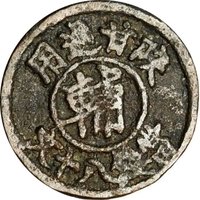
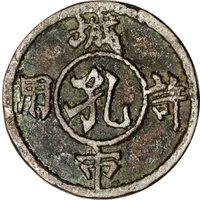
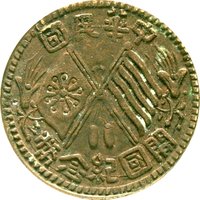
Obverse
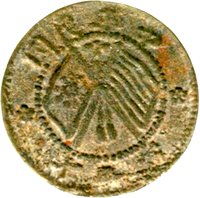
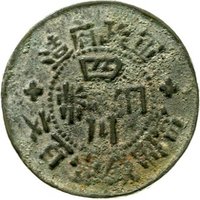
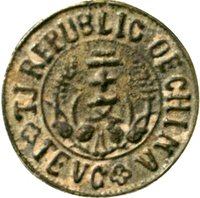
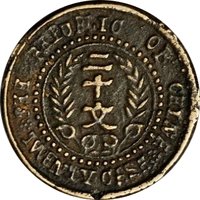
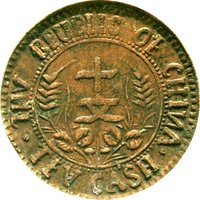
Reverse
Description:
Chinese flags with crossed characters.
Inscription:
國民華中
幣念紀
幣念紀
Translation:
Commemorative Coin
Language: Chinese
Edge
Plain
Mintings
| Year | Mint Mark | Mintage | Quality | Collection |
|---|---|---|---|---|
| 1920 | — | — |
Historical background
In 1920, Kansu (modern Gansu) Province was mired in a severe and multifaceted currency crisis, emblematic of the wider financial disintegration of the Warlord Era. The collapse of central authority from Beijing meant provincial militarists, like the Ma family cliques, issued their own unbacked paper currency, known as tuchao or "local notes," to fund their armies and administrations. These notes were printed indiscriminately, without silver reserves, leading to rapid depreciation and a chaotic patchwork of currencies that might be worthless outside a specific commander's territory. This hyper-localized scrip created a predatory system, effectively forcing the populace to subsidize the warlords through inflation and loss of savings.
The situation was exacerbated by the continued circulation of older monetary forms, creating a complex and unstable hierarchy. Silver coinage, particularly the Mexican Silver Dollar and Yuan Shikai dollars, remained the only trusted store of value but were hoarded, leading to a severe shortage. Meanwhile, traditional sycee (silver ingots) and copper cash coins still circulated for small transactions, but their supply was inconsistent. The result was a multi-tiered system where worthless paper was forced on the public for official transactions and taxes, while precious metal coinage vanished from daily use, crippling commercial exchange and fostering widespread distrust in any form of money.
This monetary chaos directly translated into profound human suffering and economic paralysis in a province already struggling with poverty and isolation. Rampant inflation eroded wages and savings, causing severe hardship for farmers, merchants, and laborers. Trade between regions within Kansu and with other provinces became exceedingly difficult due to the lack of a reliable medium of exchange. The currency disorder thus acted as both a symptom and a cause of Kansu's deepening crisis in the early Republic, entrenching local autarky, stifling recovery, and pushing the burden of warlord conflict directly onto the impoverished population through the stealth tax of worthless paper.
The situation was exacerbated by the continued circulation of older monetary forms, creating a complex and unstable hierarchy. Silver coinage, particularly the Mexican Silver Dollar and Yuan Shikai dollars, remained the only trusted store of value but were hoarded, leading to a severe shortage. Meanwhile, traditional sycee (silver ingots) and copper cash coins still circulated for small transactions, but their supply was inconsistent. The result was a multi-tiered system where worthless paper was forced on the public for official transactions and taxes, while precious metal coinage vanished from daily use, crippling commercial exchange and fostering widespread distrust in any form of money.
This monetary chaos directly translated into profound human suffering and economic paralysis in a province already struggling with poverty and isolation. Rampant inflation eroded wages and savings, causing severe hardship for farmers, merchants, and laborers. Trade between regions within Kansu and with other provinces became exceedingly difficult due to the lack of a reliable medium of exchange. The currency disorder thus acted as both a symptom and a cause of Kansu's deepening crisis in the early Republic, entrenching local autarky, stifling recovery, and pushing the burden of warlord conflict directly onto the impoverished population through the stealth tax of worthless paper.
✨ Legendary