

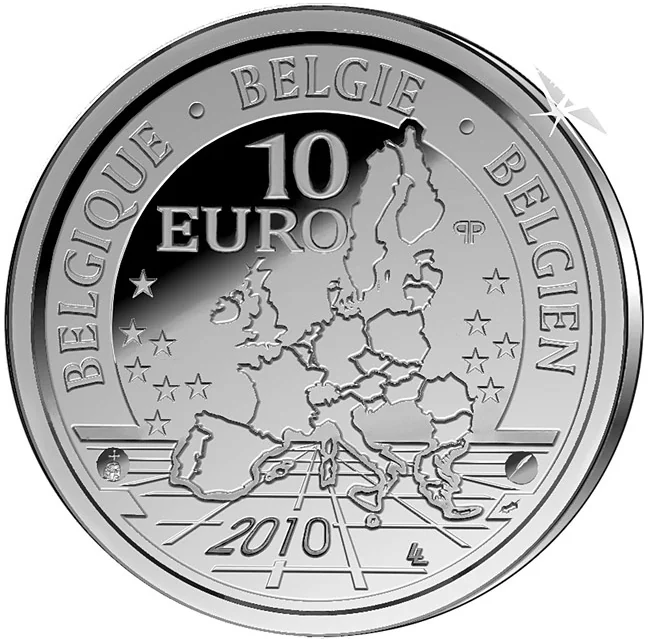

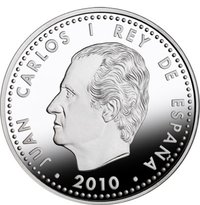
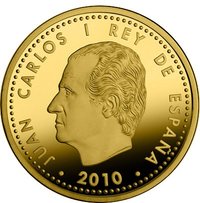
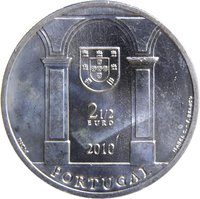
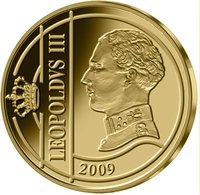
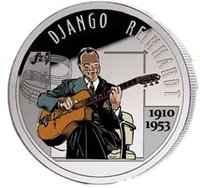
Obverse
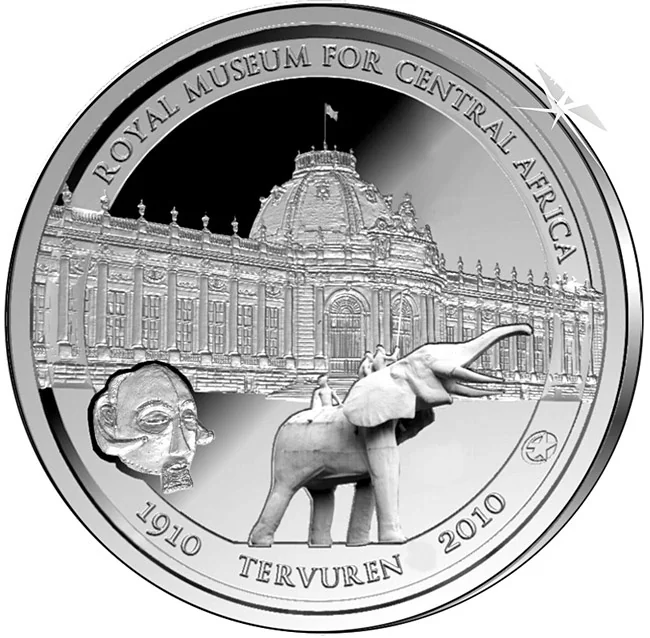
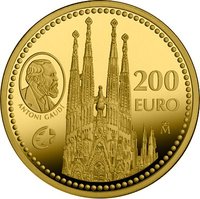
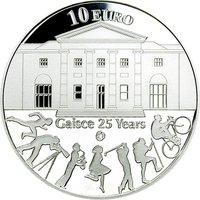
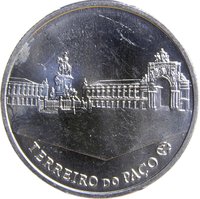
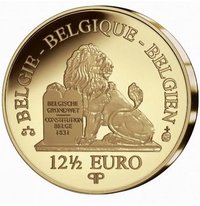
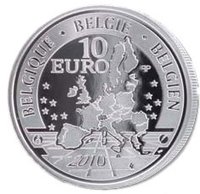
Reverse
Edge
Milled
Mints
| Name | Mark |
|---|---|
| Royal Mint of Belgium | — |
Mintings
| Year | Mint Mark | Mintage | Quality | Collection |
|---|---|---|---|---|
| 2010 | — | 20,000 | Proof |
Historical background
In 2010, Belgium's currency situation was defined by its full and entrenched membership in the Eurozone, having adopted the euro as its official currency in 1999 (for electronic transactions) and introducing euro banknotes and coins in 2002. The Belgian franc had been completely phased out, meaning the country had no independent monetary policy. This authority was ceded to the European Central Bank (ECB), which set interest rates and managed the euro's value for the entire currency bloc. For Belgium, this provided stability and eliminated exchange rate risks with its major trading partners, but also removed a key national tool for responding to economic shocks.
The year was particularly significant as it exposed the dual-edged nature of this arrangement. Belgium, like other Eurozone members, was grappling with the aftershocks of the 2008 global financial crisis and the subsequent European sovereign debt crisis. While the shared currency provided stability, it also meant Belgium could not devalue its currency to boost competitiveness. Furthermore, the country faced intense market pressure due to its high public debt, which hovered around 100% of GDP. Political instability—with a caretaker government for much of the year—exacerbated these concerns, leading to rising borrowing costs and fears that Belgium could be caught in the debt crisis contagion spreading from Greece and Ireland.
Consequently, the currency situation in 2010 was one of passive vulnerability within a collective framework. Belgium's economic fate was tied to the strength of the euro and the ECB's policies, while its specific fiscal weaknesses made it a subject of scrutiny within that system. The period underscored the challenge of maintaining fiscal discipline without the lever of national monetary policy, a tension that would define Eurozone politics for years to come. Belgium's experience highlighted how a shared currency could both protect and constrain member states during times of severe economic stress.
The year was particularly significant as it exposed the dual-edged nature of this arrangement. Belgium, like other Eurozone members, was grappling with the aftershocks of the 2008 global financial crisis and the subsequent European sovereign debt crisis. While the shared currency provided stability, it also meant Belgium could not devalue its currency to boost competitiveness. Furthermore, the country faced intense market pressure due to its high public debt, which hovered around 100% of GDP. Political instability—with a caretaker government for much of the year—exacerbated these concerns, leading to rising borrowing costs and fears that Belgium could be caught in the debt crisis contagion spreading from Greece and Ireland.
Consequently, the currency situation in 2010 was one of passive vulnerability within a collective framework. Belgium's economic fate was tied to the strength of the euro and the ECB's policies, while its specific fiscal weaknesses made it a subject of scrutiny within that system. The period underscored the challenge of maintaining fiscal discipline without the lever of national monetary policy, a tension that would define Eurozone politics for years to come. Belgium's experience highlighted how a shared currency could both protect and constrain member states during times of severe economic stress.
Series: Europa Star




⭐ Rare