

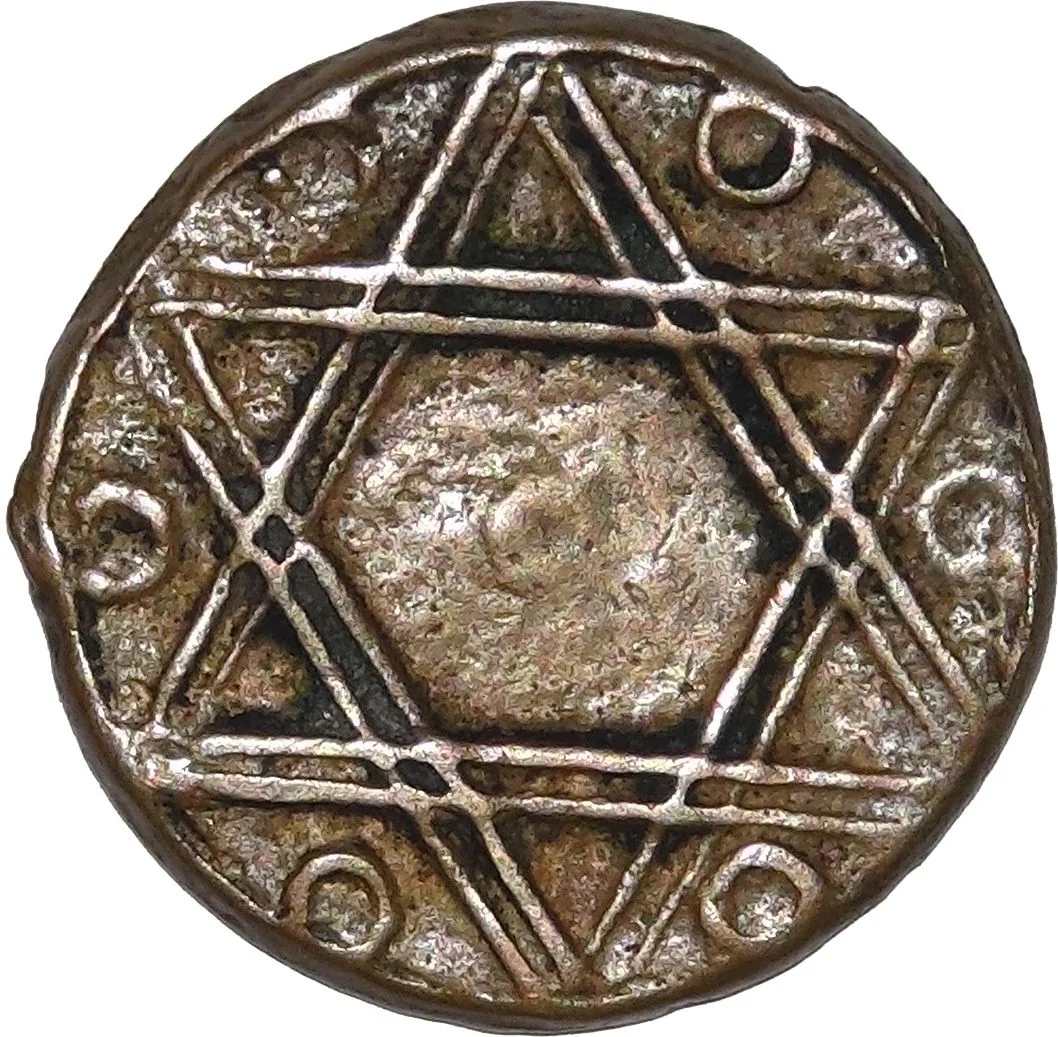
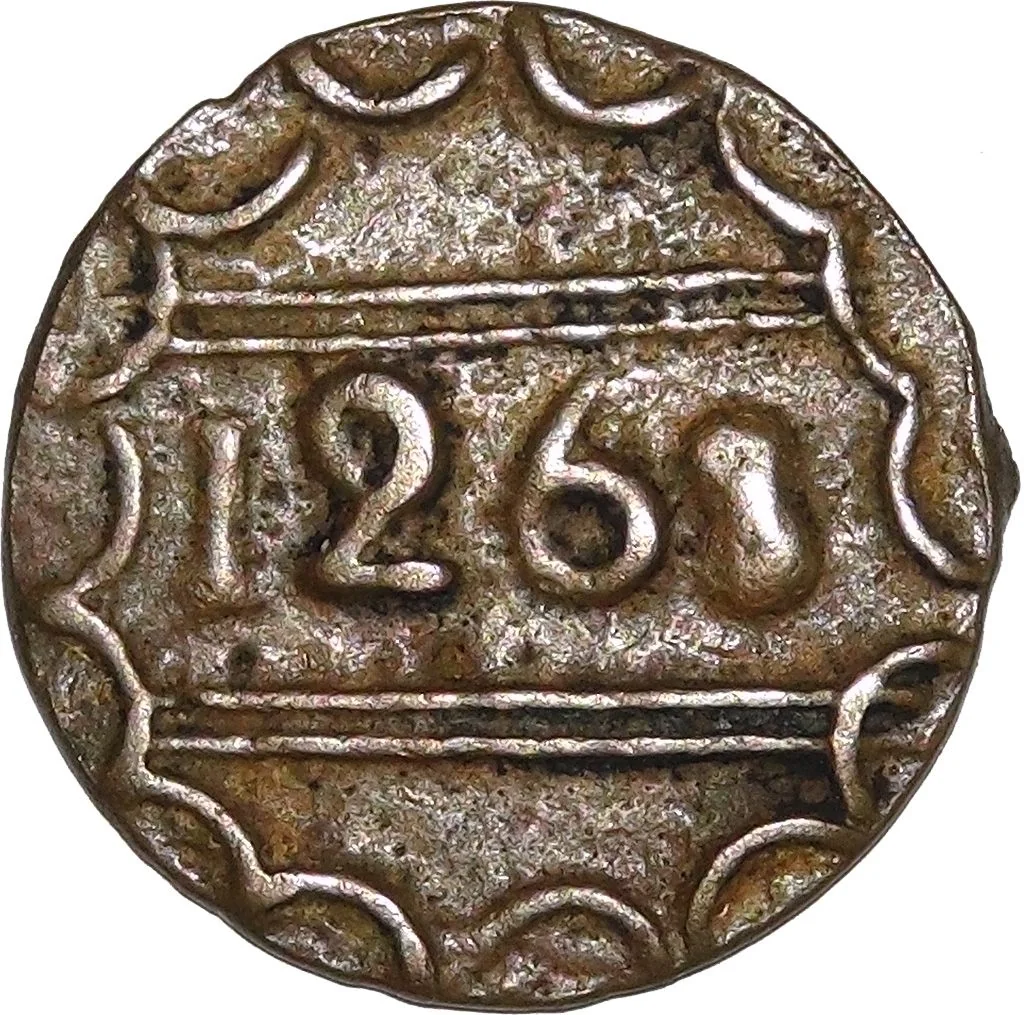
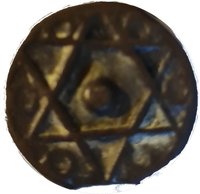
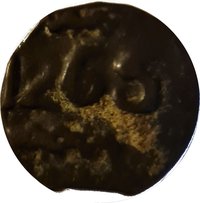
2 Falus – Morocco
Morocco
Context
Years: 1842–1853
Issuer: Morocco 
Ruler: Moulay ‘Abd al-Rahman
Currency:
(1659—1882)
Demonetized: Yes
References
Numista: #27548
Mintings
| Year | Mint Mark | Mintage | Quality | Collection |
|---|---|---|---|---|
| 1842 | — | — | ||
| 1844 | — | — | ||
| 1845 | — | — | ||
| 1847 | — | — | ||
| 1848 | — | — | ||
| 1849 | — | — | ||
| 1850 | — | — | ||
| 1851 | — | — | ||
| 1852 | — | — | ||
| 1853 | — | — |
Historical background
In 1842, Morocco's currency situation was characterized by a complex and fragmented system, reflecting the country's political decentralization and economic pressures. The primary unit was the silver dirham, but its value and physical composition varied significantly across different regions and even cities, as local rulers and merchants often issued their own coinage. This lack of standardization was compounded by the widespread circulation of diverse foreign coins, particularly Spanish reales (pieces of eight), Austrian thalers, and British shillings, which were essential for international trade, especially with European powers.
This monetary disorder was exacerbated by severe fiscal strain. The Moroccan Makhzen (central government) under Sultan Abd al-Rahman was financially weakened by military defeats, most notably the recent Franco-Moroccan War of 1844, which resulted in a heavy indemnity payable to France. To meet these obligations, the treasury resorted to debasing the coinage—reducing the silver content in newly minted dirhams. This practice led to inflation, a loss of public confidence in the currency, and the hoarding of older, purer coins, which further disrupted the economy.
Consequently, the year 1842 found Morocco in a transitional and precarious monetary state. The influx of European commercial influence and the state's financial desperation were actively undermining the traditional system. While not yet a formalized protectorate, these currency woes were a clear symptom of the broader economic and political vulnerabilities that would eventually lead to increased European intervention in the decades to follow, marking the beginning of the end for Morocco's pre-colonial financial autonomy.
This monetary disorder was exacerbated by severe fiscal strain. The Moroccan Makhzen (central government) under Sultan Abd al-Rahman was financially weakened by military defeats, most notably the recent Franco-Moroccan War of 1844, which resulted in a heavy indemnity payable to France. To meet these obligations, the treasury resorted to debasing the coinage—reducing the silver content in newly minted dirhams. This practice led to inflation, a loss of public confidence in the currency, and the hoarding of older, purer coins, which further disrupted the economy.
Consequently, the year 1842 found Morocco in a transitional and precarious monetary state. The influx of European commercial influence and the state's financial desperation were actively undermining the traditional system. While not yet a formalized protectorate, these currency woes were a clear symptom of the broader economic and political vulnerabilities that would eventually lead to increased European intervention in the decades to follow, marking the beginning of the end for Morocco's pre-colonial financial autonomy.
⭐ Rare