

1 falus – Morocco
Add to wishlist
Morocco
Context
Years: 1841–1845
Issuer: Morocco
Ruler: Moulay ‘Abd al-Rahman
Currency:
(1659—1882)
Demonetized: Yes
References
Numista: #25165
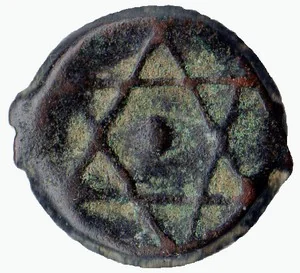
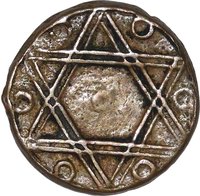
Obverse
Description:
Solomon's signet ring.
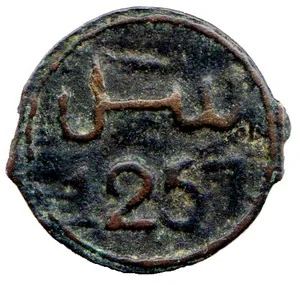
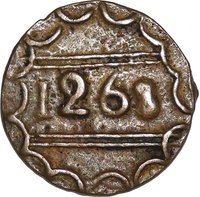
Reverse
Description:
Date below, mint letters above.
Script: Arabic
Edge
Mintings
| Year | Mint Mark | Mintage | Quality | Collection |
|---|---|---|---|---|
| 1841 | — | — | ||
| 1842 | — | — | ||
| 1843 | — | — | ||
| 1845 | — | — |
Historical background
In 1841, Morocco's currency situation was characterized by profound instability and complexity, a direct reflection of the country's political and economic pressures. The Alawite Sultanate, under Moulay Abd al-Rahman, was grappling with internal tribal rebellions and the escalating military and commercial encroachment of European powers, particularly France and Spain. This external pressure forced Morocco into unequal trade treaties, draining the treasury of silver and gold. The monetary system was a fragmented mix of locally minted coins—like the silver dirham and gold benduqi—and a vast array of foreign currencies, especially Spanish silver dollars (reales de a ocho or "pieces of eight") and Austrian thalers, which circulated widely due to their reliable silver content.
This multiplicity of coins, each with fluctuating values based on weight and metal purity, created chronic confusion and facilitated widespread fraud. The state's own mint struggled with debasement, as financial strains sometimes led to the issuance of coins with lower precious metal content to cover short-term expenses. Furthermore, the lack of a standardized, unified national currency severely hampered domestic trade and made the Sultanate vulnerable to global shifts in the bullion market. The outflow of full-weight silver to pay for European manufactured goods exacerbated a liquidity crisis, leaving the economy with poorer quality coinage.
Consequently, the monetary chaos of 1841 was a critical symptom of Morocco's weakening sovereignty in the face of 19th-century imperialism. The inability to control its currency underscored the broader administrative and fiscal challenges of the Makhzen (central government), which was increasingly unable to manage its economy or insulate it from foreign domination. This unstable financial environment would persist and worsen, contributing to the debt crises that later justified European financial control and, ultimately, the establishment of French and Spanish protectorates in the early 20th century.
This multiplicity of coins, each with fluctuating values based on weight and metal purity, created chronic confusion and facilitated widespread fraud. The state's own mint struggled with debasement, as financial strains sometimes led to the issuance of coins with lower precious metal content to cover short-term expenses. Furthermore, the lack of a standardized, unified national currency severely hampered domestic trade and made the Sultanate vulnerable to global shifts in the bullion market. The outflow of full-weight silver to pay for European manufactured goods exacerbated a liquidity crisis, leaving the economy with poorer quality coinage.
Consequently, the monetary chaos of 1841 was a critical symptom of Morocco's weakening sovereignty in the face of 19th-century imperialism. The inability to control its currency underscored the broader administrative and fiscal challenges of the Makhzen (central government), which was increasingly unable to manage its economy or insulate it from foreign domination. This unstable financial environment would persist and worsen, contributing to the debt crises that later justified European financial control and, ultimately, the establishment of French and Spanish protectorates in the early 20th century.
💎 Very Rare