

1 shilling – Southern Rhodesia
Add to wishlist
Zimbabwe
Context
Years: 1939–1942
Country: Zimbabwe
Issuer: Southern Rhodesia
Ruler: George VI
Currency:
(1932—1955)
Demonetization: 1 June 1965
Total mintage: 4,070,000
Material
References
KM: #
Numista: #27390
Value
Bullion value: $13.14
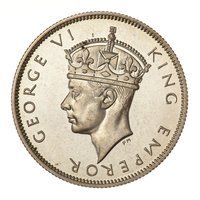
Obverse
Description:
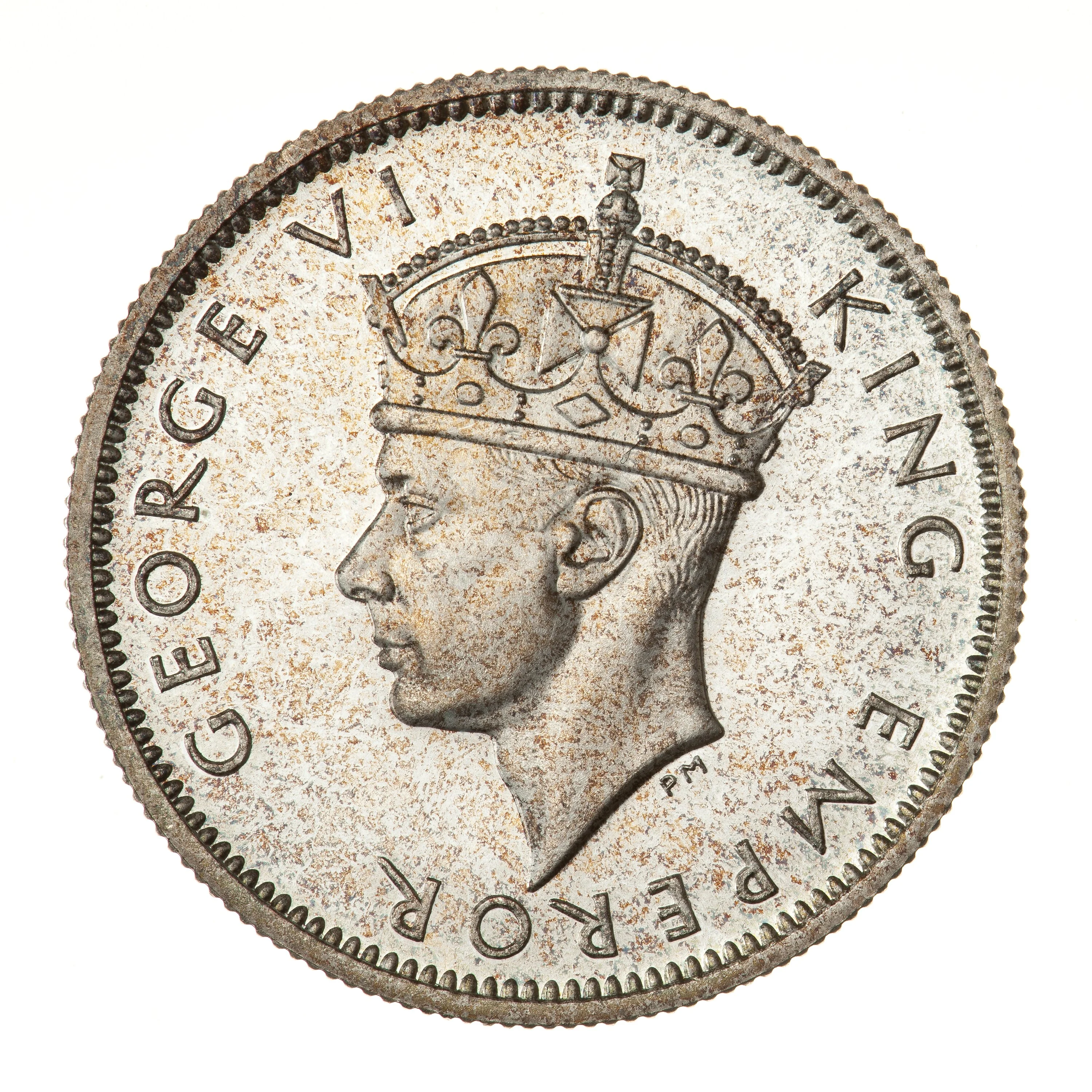
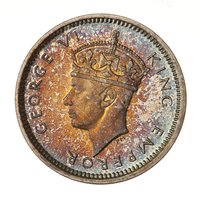
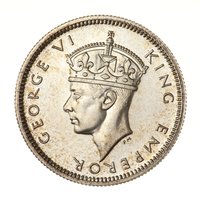
Portrait of George VI, King of the United Kingdom (1936–1952).
Inscription:
GEORGE VI KING EMPEROR
PM
PM
Translation:
GEORGE VI KING EMPEROR
PM
PM
Script: Latin
Language: English
Engraver: Percy Metcalfe
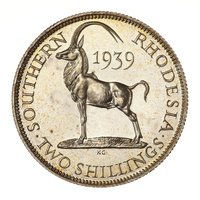
Reverse
Description:
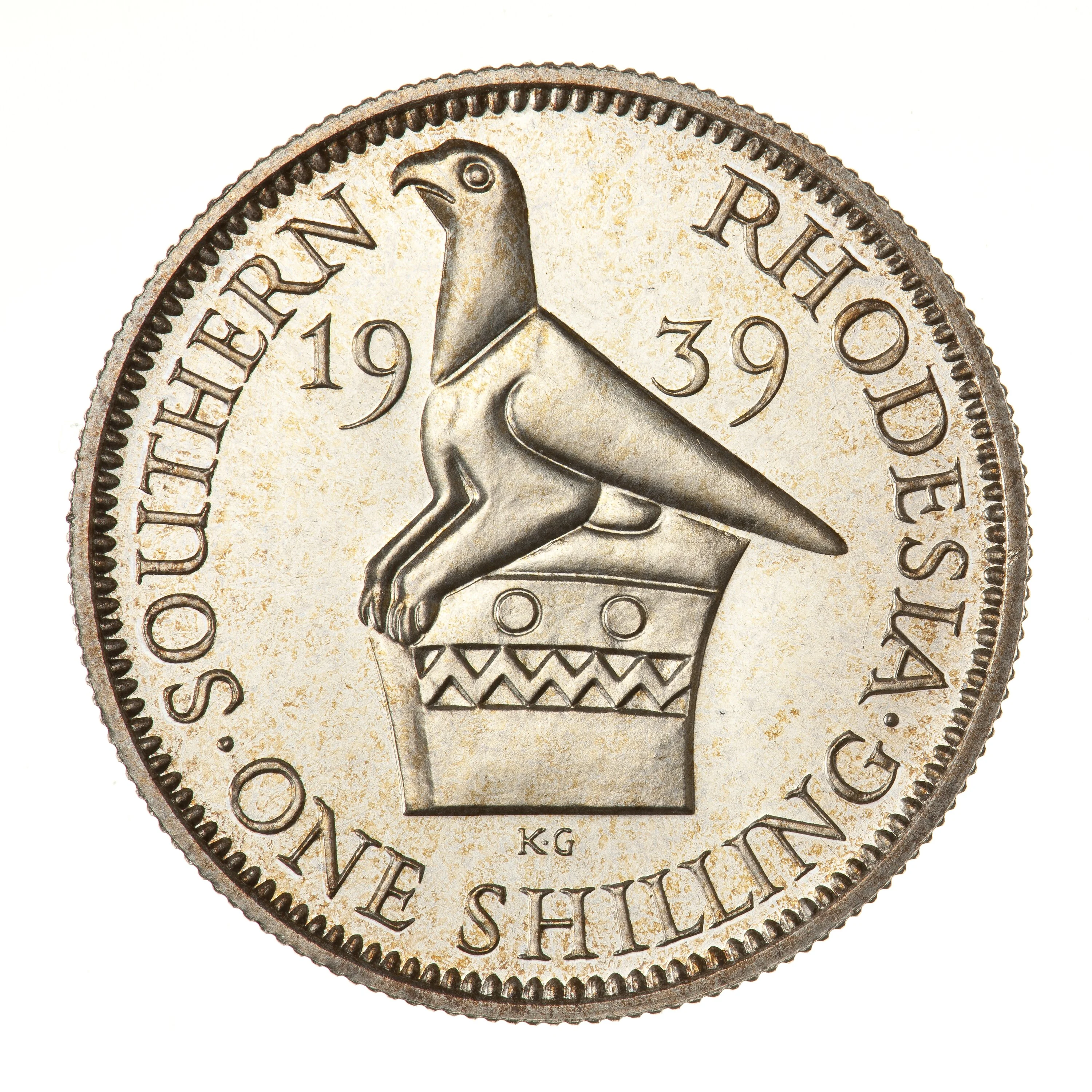
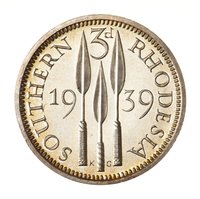
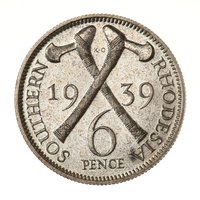
Great Zimbabwe Bird, date split, denomination below, name above.
Inscription:
SOUTHERN RHODESIA
19 40
K۰G
ONE SHILLING
19 40
K۰G
ONE SHILLING
Script: Latin
Engraver: George Kruger Gray
Edge
Reeded
Mints
| Name | Mark |
|---|---|
| Royal Mint (Tower Hill) | — |
Mintings
| Year | Mint Mark | Mintage | Quality | Collection |
|---|---|---|---|---|
| 1939 | — | 420,000 | ||
| 1939 | — | — | Proof | |
| 1940 | — | 750,000 | ||
| 1940 | — | — | Proof | |
| 1941 | — | 800,000 | ||
| 1941 | — | — | Proof | |
| 1942 | — | 2,100,000 | ||
| 1942 | — | — | Proof |
Historical background
In 1939, Southern Rhodesia (modern-day Zimbabwe) operated within the sterling area, with its currency firmly pegged to the British pound sterling. The official currency was the Southern Rhodesian pound (SR£), which was at parity with the UK pound and backed by the colony's own reserves held in London. This arrangement provided monetary stability and facilitated trade with Britain, which was the dominant economic partner. The currency was issued by the Southern Rhodesia Currency Board, a conservative body that required full gold or sterling backing for all notes and coins in circulation, limiting local control over monetary policy.
The outbreak of the Second World War in September 1939 immediately impacted this system. Southern Rhodesia, as a loyal British colony, swiftly followed the United Kingdom in imposing strict exchange controls to prevent capital flight and to marshal all financial resources for the war effort. These controls regulated the flow of capital outside the sterling area and tied the colony's financial fate even more closely to Britain. The war also stimulated the local economy, particularly mining and agriculture, leading to increased government spending and the beginning of inflationary pressures that would challenge the rigid currency board system in the coming years.
Furthermore, the currency situation reflected the broader political landscape. While economically integrated with Britain, Southern Rhodesia had attained self-governing colony status in 1923, giving its settler government considerable internal autonomy. However, its monetary sovereignty remained constrained. Discussions about a central bank and a more flexible currency had begun in the 1930s but were shelved due to the war. Thus, in 1939, the currency was a symbol of both economic stability and colonial dependency, poised on the brink of changes that war finance and post-war development would soon necessitate.
The outbreak of the Second World War in September 1939 immediately impacted this system. Southern Rhodesia, as a loyal British colony, swiftly followed the United Kingdom in imposing strict exchange controls to prevent capital flight and to marshal all financial resources for the war effort. These controls regulated the flow of capital outside the sterling area and tied the colony's financial fate even more closely to Britain. The war also stimulated the local economy, particularly mining and agriculture, leading to increased government spending and the beginning of inflationary pressures that would challenge the rigid currency board system in the coming years.
Furthermore, the currency situation reflected the broader political landscape. While economically integrated with Britain, Southern Rhodesia had attained self-governing colony status in 1923, giving its settler government considerable internal autonomy. However, its monetary sovereignty remained constrained. Discussions about a central bank and a more flexible currency had begun in the 1930s but were shelved due to the war. Thus, in 1939, the currency was a symbol of both economic stability and colonial dependency, poised on the brink of changes that war finance and post-war development would soon necessitate.
🌟 Limited