

1 rupee – Java
Add to wishlist
Indonesia
Context
Material
Diameter: 23 mm
Weight: 11.55 g
Silver Weight:: 9.15 g
Thickness: 2 mm
Shape: Irregular round
Composition: 79.2% Silver
Magnetic: No
Alignment: Medal alignment
flip
References
KM: #
Numista: #27285
Value
Bullion value: $22.44
Obverse
Description:
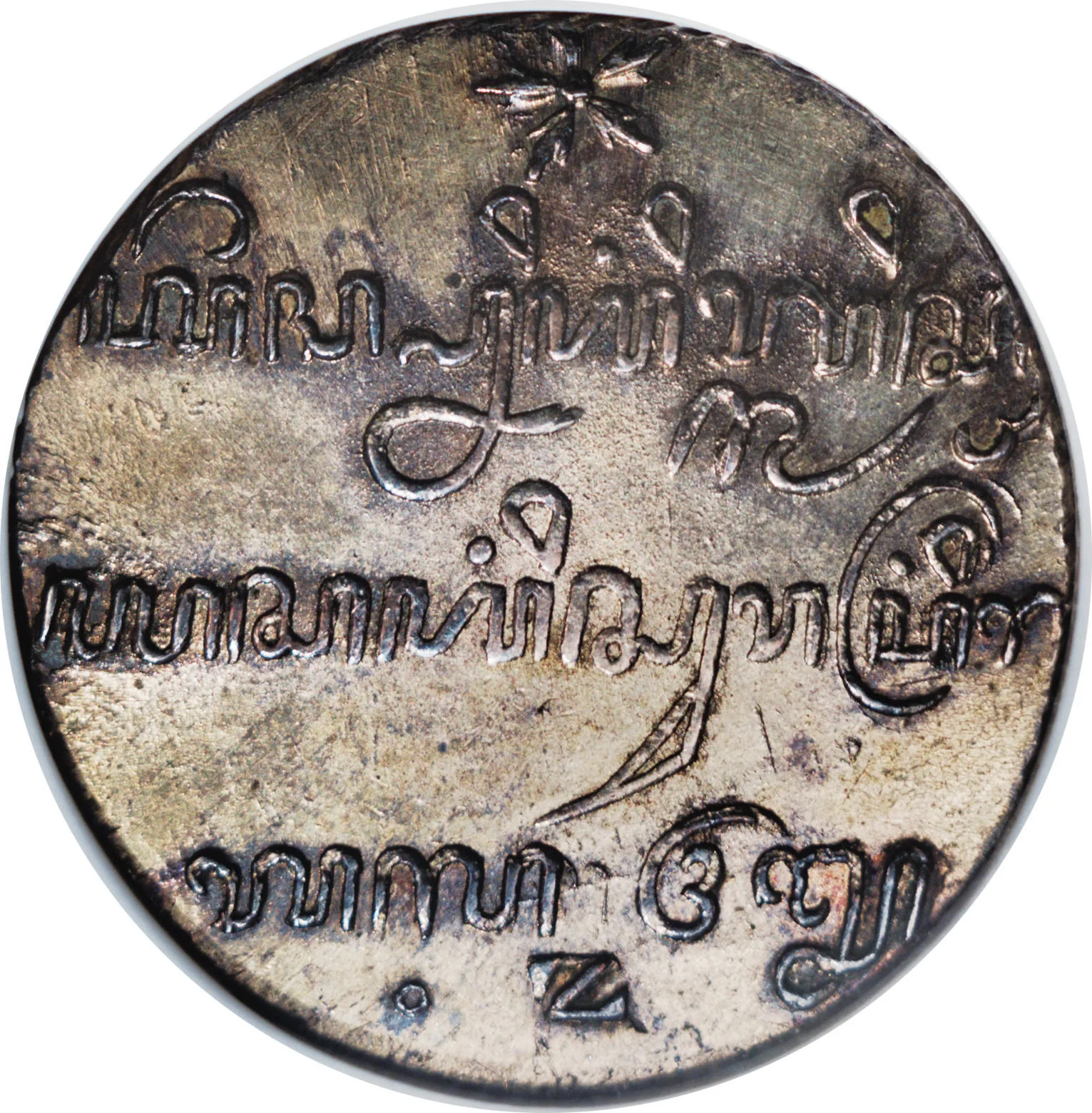
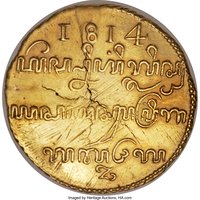
Three-line Javanese inscription with a five-petalled flower above and a mintmark below.
Inscription:
ꦏꦼꦩ꧀ꦥ꧀ꦤꦶꦲꦶꦁꦒ꧀ꦭꦶꦱ꧀
ꦪꦱꦲꦶꦁꦱꦸꦫꦥꦿꦶꦁꦒ
꧑꧗꧔꧓
Z
ꦪꦱꦲꦶꦁꦱꦸꦫꦥꦿꦶꦁꦒ
꧑꧗꧔꧓
Z
Translation:
Kempanihing Lish
Yasa ing Sura Pring
1743
Yasa ing Sura Pring
1743
Script: Javanese
Languages: Arabic numeral, Javanese
Reverse
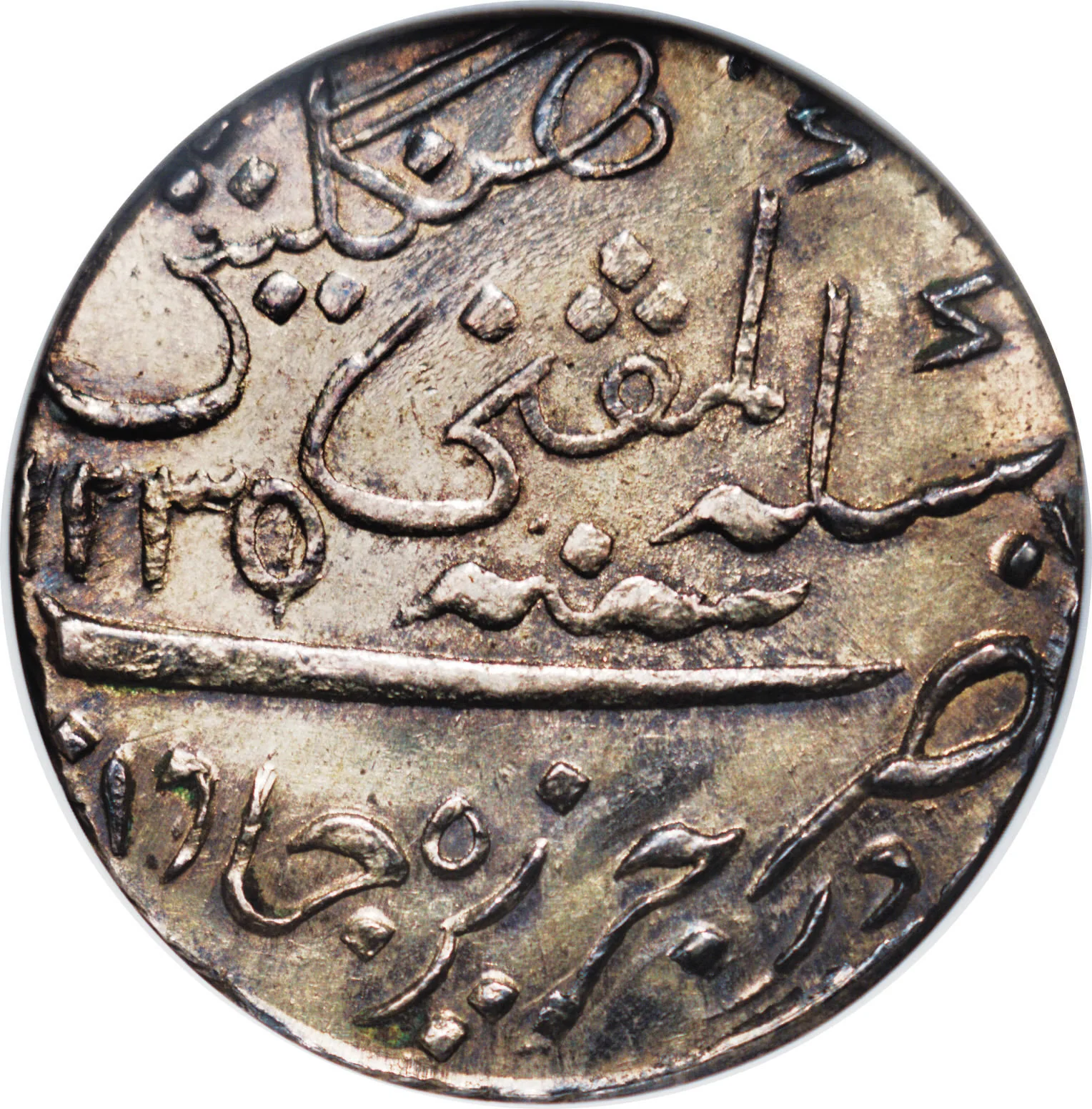
Edge
Reeded slanted right
Mints
| Name | Mark |
|---|---|
| Surabaya | — |
Mintings
| Year | Mint Mark | Mintage | Quality | Collection |
|---|---|---|---|---|
| 1813 | — | — | ||
| 1814 | — | 400,000 | ||
| 1814 | — | — | ||
| 1815 | — | — |
Historical background
In 1813, Java was under British administration following the capture of the island from the Dutch in 1811 during the Napoleonic Wars. The Lieutenant-Governor, Sir Thomas Stamford Raffles, inherited a chaotic monetary system characterized by a severe shortage of specie (coinage) and a confusing circulation of various currencies. The primary units were the Dutch rijksdaalder and the Spanish silver dollar (or "piece of eight"), but their values fluctuated wildly, and a vast quantity of debased copper duits and counterfeit coins flooded the market. This situation crippled commerce and government revenue, as the lack of a reliable standard of value fostered uncertainty and hindered economic activity.
Raffles sought to impose order by implementing a currency reform centered on a new silver standard, the Java rupee, which was introduced in 1813. This new rupee was subdivided into 30 stuivers, each of 4 duits, aiming to create a clear and unified system. However, the reform faced immediate and significant practical challenges. The British administration lacked the necessary silver to mint enough coins to replace the existing mixed currency in circulation fully. Consequently, the old Spanish dollars and Dutch coins remained in widespread use alongside the new, insufficiently supplied rupees, undermining the goal of a single standard.
Thus, the currency situation in 1813 Java was one of transition and unresolved crisis. While Raffles's reforms established a new official framework intended to bring stability and align the island's economy with British Indian systems, the tangible reality was a continued monetary disorder. The persistent coin shortage and the coexistence of multiple currencies meant that the theoretical system struggled to function in practice, leaving the island's economy in a fragile state until the return of Dutch rule in 1816, which ushered in another period of monetary reorganisation.
Raffles sought to impose order by implementing a currency reform centered on a new silver standard, the Java rupee, which was introduced in 1813. This new rupee was subdivided into 30 stuivers, each of 4 duits, aiming to create a clear and unified system. However, the reform faced immediate and significant practical challenges. The British administration lacked the necessary silver to mint enough coins to replace the existing mixed currency in circulation fully. Consequently, the old Spanish dollars and Dutch coins remained in widespread use alongside the new, insufficiently supplied rupees, undermining the goal of a single standard.
Thus, the currency situation in 1813 Java was one of transition and unresolved crisis. While Raffles's reforms established a new official framework intended to bring stability and align the island's economy with British Indian systems, the tangible reality was a continued monetary disorder. The persistent coin shortage and the coexistence of multiple currencies meant that the theoretical system struggled to function in practice, leaving the island's economy in a fragile state until the return of Dutch rule in 1816, which ushered in another period of monetary reorganisation.
💎 Extremely Rare