

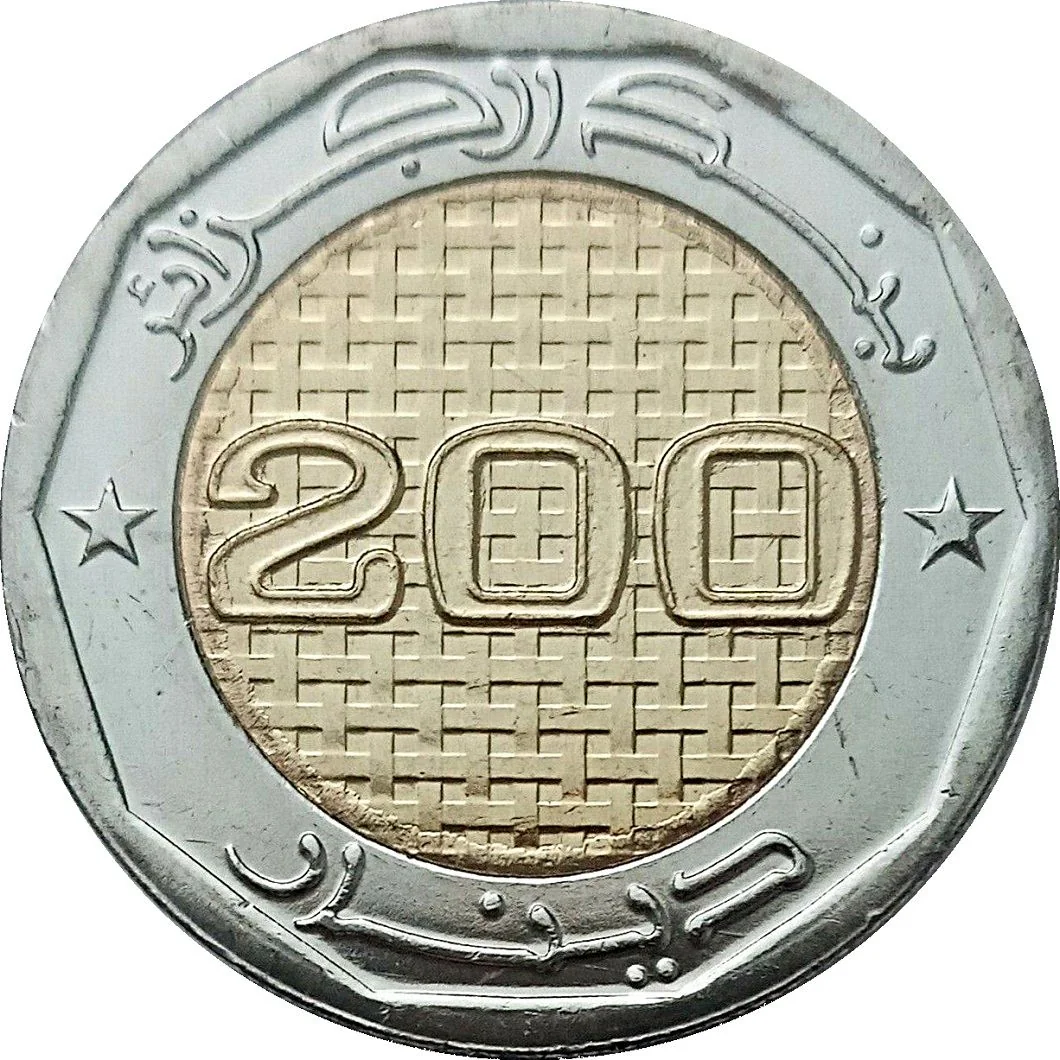
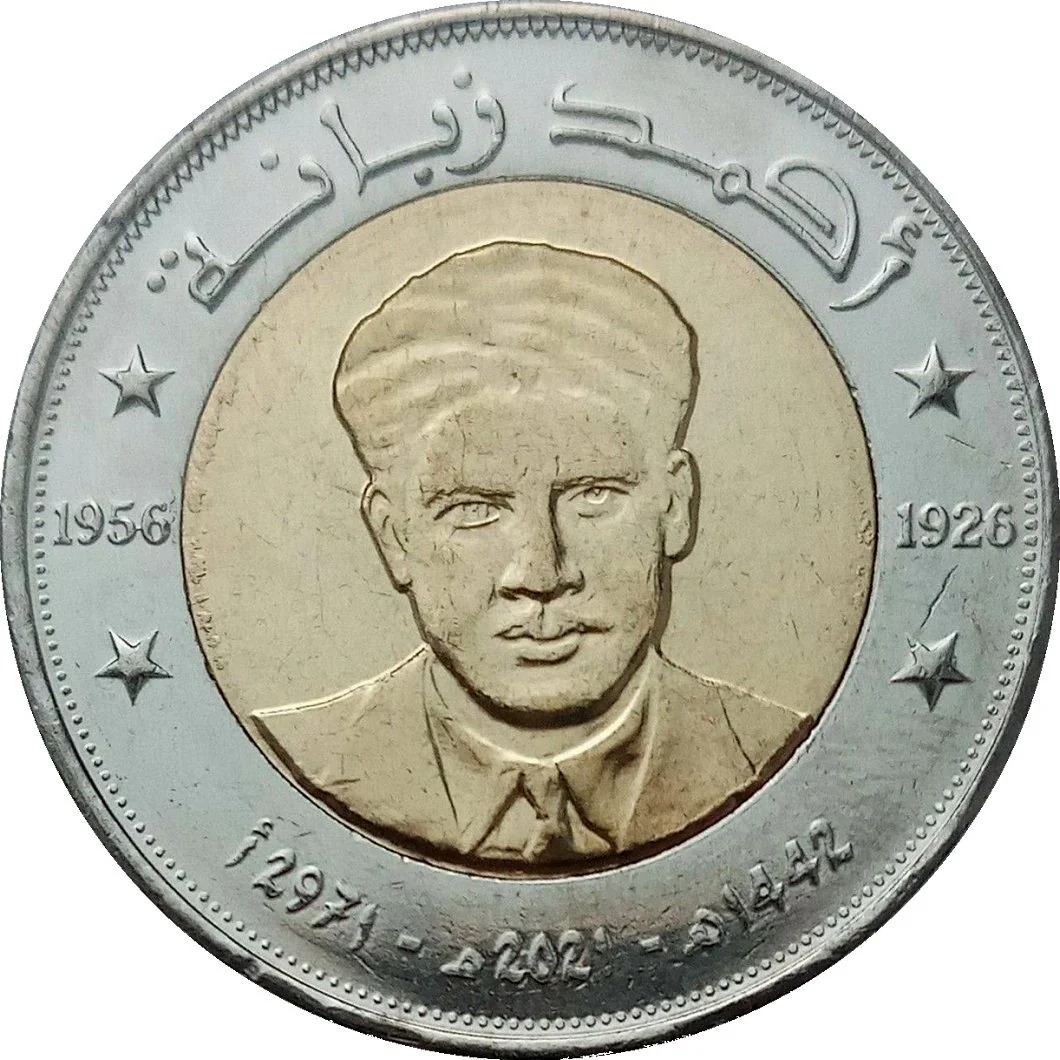
200 dinars – Algeria
Add to wishlist
Algeria
Context
Years: 2020–2024
Issuer: Algeria
Issuing organization: Bank of Algeria
Period:
(since 1962)
Currency:
(since 1964)
References
KM: #
Numista: #272431
Value
Exchange value: 200 DZD
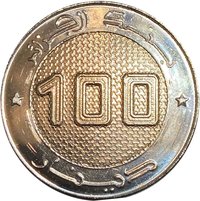
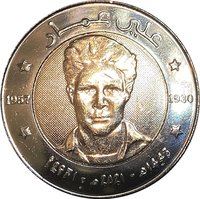
Obverse
Reverse
Edge
Milled with the inscription
Legend:
200 ★ 200 ★ 200 ★ 200 ★
Categories
| Person> Military leader |
| History> War |
Mints
| Name | Mark |
|---|---|
| Algiers | — |
Mintings
| Year | Mint Mark | Mintage | Quality | Collection |
|---|---|---|---|---|
| 2020 | — | — | ||
| 2021 | — | — | ||
| 2023 | — | — | ||
| 2024 | — | — |
Historical background
In 2020, Algeria faced a severe currency crisis rooted in long-standing structural economic weaknesses, dramatically exacerbated by the dual shock of the COVID-19 pandemic and a collapse in global hydrocarbon prices. The country's economy is heavily dependent on oil and gas exports, which typically fund over 90% of its foreign exchange earnings and 60% of the state budget. With the Brent crude price plummeting to historic lows and global demand shrinking due to pandemic lockdowns, Algeria's foreign exchange reserves halved from their 2014 peak, falling below $50 billion and accelerating at an alarming rate. This directly threatened the government's ability to finance essential imports and service its external debt.
The situation forced the government and the Bank of Algeria to implement strict defensive measures to conserve foreign currency. These included severe import restrictions on hundreds of non-essential goods, leading to shortages in some sectors, and a continued devaluation of the dinar. The official exchange rate, tightly controlled by the central bank, was adjusted, but a significant gap persisted with the black-market rate, where the dinar traded at a steep discount. This reflected a lack of confidence and a severe shortage of hard currency within the formal financial system. The government also resorted to money creation to finance its substantial budget deficit, raising concerns about inflationary pressures.
Ultimately, the 2020 currency situation highlighted Algeria's urgent need for economic diversification and reform. The crisis underscored the unsustainable nature of an economic model reliant on hydrocarbon revenues to fund imports and public spending. While emergency measures provided short-term relief to foreign reserves, they also stifled private sector growth and contributed to inflation. The year ended with the economy in recession, diminished fiscal space, and mounting pressure for deeper structural reforms to reduce the import bill and stimulate non-oil exports, a challenge that remained central to Algeria's economic future.
The situation forced the government and the Bank of Algeria to implement strict defensive measures to conserve foreign currency. These included severe import restrictions on hundreds of non-essential goods, leading to shortages in some sectors, and a continued devaluation of the dinar. The official exchange rate, tightly controlled by the central bank, was adjusted, but a significant gap persisted with the black-market rate, where the dinar traded at a steep discount. This reflected a lack of confidence and a severe shortage of hard currency within the formal financial system. The government also resorted to money creation to finance its substantial budget deficit, raising concerns about inflationary pressures.
Ultimately, the 2020 currency situation highlighted Algeria's urgent need for economic diversification and reform. The crisis underscored the unsustainable nature of an economic model reliant on hydrocarbon revenues to fund imports and public spending. While emergency measures provided short-term relief to foreign reserves, they also stifled private sector growth and contributed to inflation. The year ended with the economy in recession, diminished fiscal space, and mounting pressure for deeper structural reforms to reduce the import bill and stimulate non-oil exports, a challenge that remained central to Algeria's economic future.
🌱 Fairly Common