

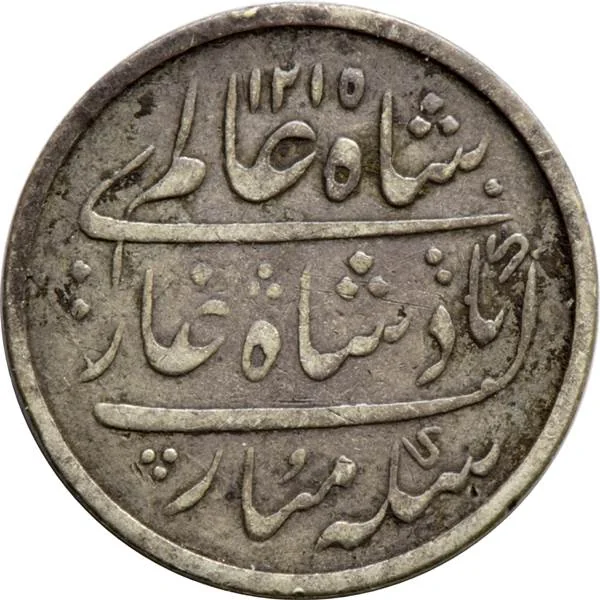
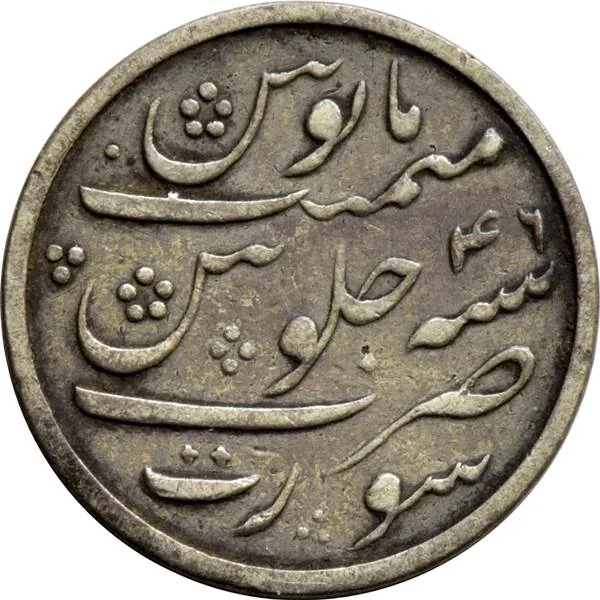
¼ rupee – Bombay Presidency
Add to wishlist
India
Context
Year: 1832
Islamic (Hijri) Year:: 1215
Country: India
Issuer: Bombay Presidency
Currency:
(1672—1835)
Demonetized: Yes
Material
References
KM: #
Numista: #27217
Value
Bullion value: $7.44
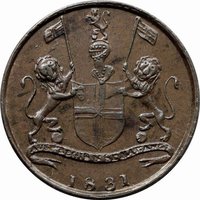
Obverse
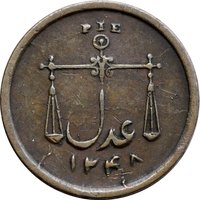
Reverse
Edge
Plain
Mintings
| Year | Mint Mark | Mintage | Quality | Collection |
|---|---|---|---|---|
| 1832 | — | — | ||
| 1832 | — | — | Proof |
Historical background
In 1832, the Bombay Presidency was grappling with a complex and chaotic currency system, a legacy of its diverse trading history. The official currency was the silver rupee of the Bombay Standard, but it competed with a multitude of other coins in circulation. These included older Mughal rupees, rupees from other British presidencies (notably the Bengal Sicca Rupee), and a vast array of foreign coins from the Arabian Gulf, East Africa, and the wider Indian Ocean trade network, such as the Maria Theresa Thaler. This proliferation created significant problems for commerce, as merchants and the government constantly had to calculate exchange rates and assess the varying silver content of each coin, leading to inefficiency and fraud.
The East India Company administration sought to impose order, primarily to facilitate its own revenue collection and trade. A key reform was the attempted demonetization of the old "Chandori" rupee in 1824, but its continued circulation years later exemplified the difficulty of standardisation. The Presidency’s currency was also isolated from the systems of Bengal and Madras, hindering internal British Indian trade. Furthermore, the scarcity of small-denomination coins for everyday transactions was a persistent issue, often filled by the problematic use of cut and damaged pieces of foreign coins or by private tokens issued by local merchants and shroffs (money-changers).
Therefore, the situation in 1832 was one of transition and frustration. The colonial state possessed the ambition for a uniform, Company-controlled currency to underpin its fiscal and administrative authority, yet it struggled against the entrenched practices of a cosmopolitan mercantile society. This tension between the old, pluralistic monetary networks of the Indian Ocean and the new, centralising demands of the colonial political economy defined the period, setting the stage for more forceful reforms like the Coinage Act of 1835 which eventually established a single uniform rupee for all of British India.
The East India Company administration sought to impose order, primarily to facilitate its own revenue collection and trade. A key reform was the attempted demonetization of the old "Chandori" rupee in 1824, but its continued circulation years later exemplified the difficulty of standardisation. The Presidency’s currency was also isolated from the systems of Bengal and Madras, hindering internal British Indian trade. Furthermore, the scarcity of small-denomination coins for everyday transactions was a persistent issue, often filled by the problematic use of cut and damaged pieces of foreign coins or by private tokens issued by local merchants and shroffs (money-changers).
Therefore, the situation in 1832 was one of transition and frustration. The colonial state possessed the ambition for a uniform, Company-controlled currency to underpin its fiscal and administrative authority, yet it struggled against the entrenched practices of a cosmopolitan mercantile society. This tension between the old, pluralistic monetary networks of the Indian Ocean and the new, centralising demands of the colonial political economy defined the period, setting the stage for more forceful reforms like the Coinage Act of 1835 which eventually established a single uniform rupee for all of British India.
💎 Extremely Rare