

1 piastre – Syria
Add to wishlist
Syria
Context
Years: 1929–1936
Issuer: Syria
Period:
(1925—1930)
Currency:
(since 1919)
Demonetized: Yes
Total mintage: 4,700,000
Material
Diameter: 24 mm
Weight: 5 g
Thickness: 1.4 mm
Shape: Round with a round hole
Composition: Nickel brass
Magnetic: No
Technique: Milled
Alignment: Coin alignment
flip
References
KM: #
Numista: #2712
Value
Exchange value: 0.01 SYP
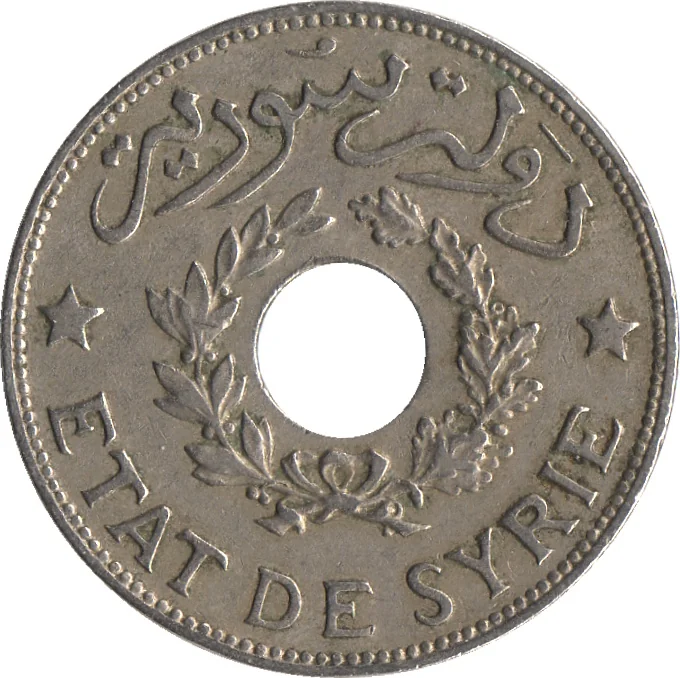
Obverse
Description:
Oak and olive wreath.
Inscription:
دوَلة سورية
* ETAT DE SYRIE *
* ETAT DE SYRIE *
Translation:
Syrian State
Engravers: Henri-Auguste Patey, Lucien Georges Bazor
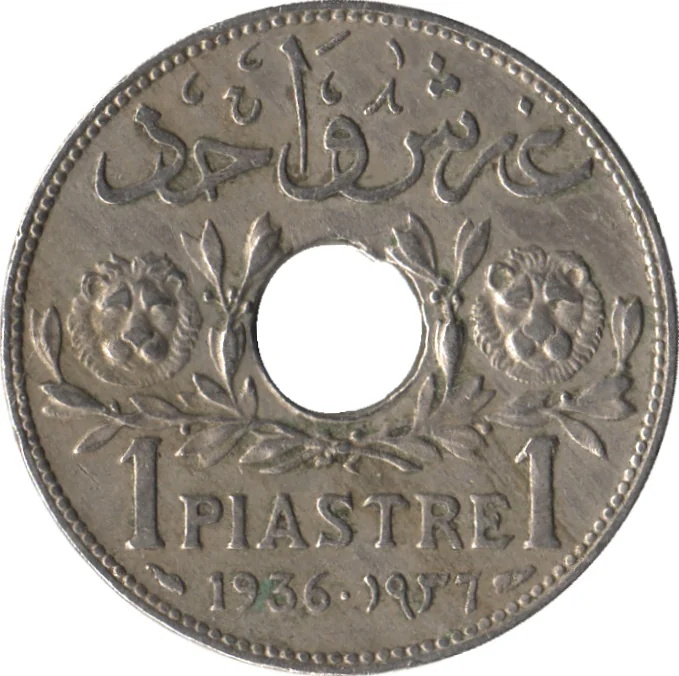
Reverse
Description:
Two lion heads with olive branches.
Inscription:
غرش وَاحد
1 PIASTRE 1
1936 · ١٩٣٦
1 PIASTRE 1
1936 · ١٩٣٦
Translation:
One Piastre
1936 · 1936
1936 · 1936
Engraver: Henri-Auguste Patey
Edge
Plain
Mints
| Name | Mark |
|---|---|
| Monnaie de Paris | — |
Mintings
| Year | Mint Mark | Mintage | Quality | Collection |
|---|---|---|---|---|
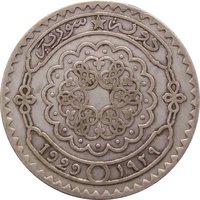
| 1929 | — | 750,000 | ||
| 1933 | — | 600,000 | ||
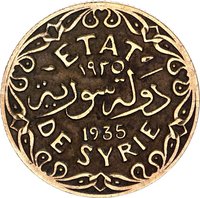
| 1935 | — | 1,950,000 | ||
| 1936 | — | 1,400,000 |
Historical background
In 1929, Syria's currency situation was defined by its status as a French Mandate territory, administered by France under a League of Nations mandate following the dissolution of the Ottoman Empire. The monetary system was not independent but was directly tied to France through the Banque de Syrie et du Grand-Liban (Bank of Syria and Greater Lebanon). This bank, operating under a French-chartered privilege, issued the Syrian pound (or livre), which was pegged at a fixed rate to the French franc, ensuring monetary stability but subordinating Syrian financial policy to French interests and economic conditions.
This peg provided a degree of stability in the late 1920s, insulating Syria from the regional currency fluctuations that affected some neighboring territories. However, it also meant that Syria was vulnerable to economic decisions made in Paris. The system faced a significant test in 1929, as the onset of the Great Depression began to ripple through global markets. While the immediate crisis in Syria was less severe than in industrialized nations, the fixed link to the franc meant that any devaluation or economic policy shift in France would have direct and unavoidable consequences for Syrian trade and prices.
Consequently, the currency regime of 1929 represented a period of calibrated stability on the brink of global upheaval. The arrangement facilitated trade within the French economic sphere but underscored Syria's lack of monetary sovereignty. The coming years of the 1930s would see this system strained, leading to a eventual re-peg of the Syrian pound to a gold standard and, later, to the US dollar, as France itself devalued the franc in response to the deepening Depression.
This peg provided a degree of stability in the late 1920s, insulating Syria from the regional currency fluctuations that affected some neighboring territories. However, it also meant that Syria was vulnerable to economic decisions made in Paris. The system faced a significant test in 1929, as the onset of the Great Depression began to ripple through global markets. While the immediate crisis in Syria was less severe than in industrialized nations, the fixed link to the franc meant that any devaluation or economic policy shift in France would have direct and unavoidable consequences for Syrian trade and prices.
Consequently, the currency regime of 1929 represented a period of calibrated stability on the brink of global upheaval. The arrangement facilitated trade within the French economic sphere but underscored Syria's lack of monetary sovereignty. The coming years of the 1930s would see this system strained, leading to a eventual re-peg of the Syrian pound to a gold standard and, later, to the US dollar, as France itself devalued the franc in response to the deepening Depression.
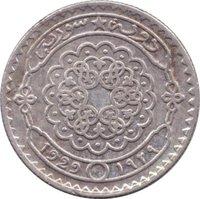
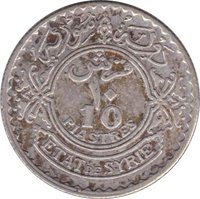
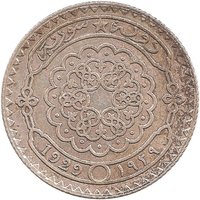
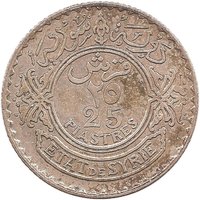
Series: 1929 Syria circulation coins
🌱 Common