

1 bu – Japan
Add to wishlist
Japan
Material
Weight: 2.25 g
Gold Weight:: 1.28 g
Shape: Irregular rectangular
Magnetic: No
Technique: Hammered
Alignment: Medal alignment
flip
References
Numista: #27003
Value
Bullion value: $196.89
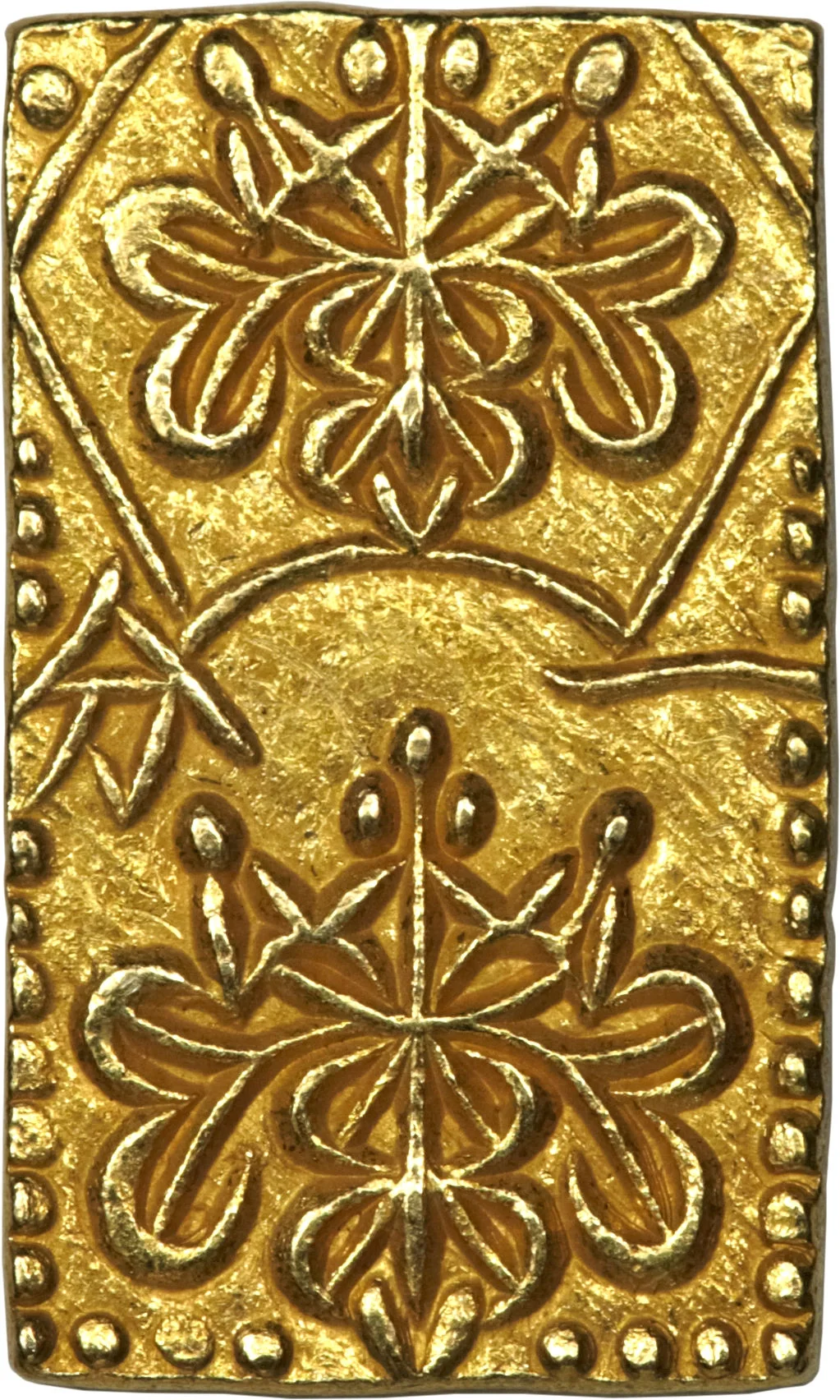
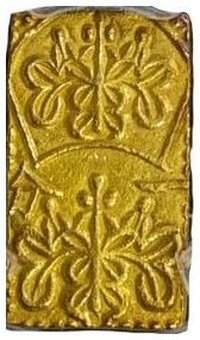
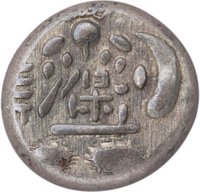
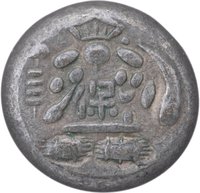
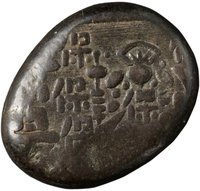
Obverse
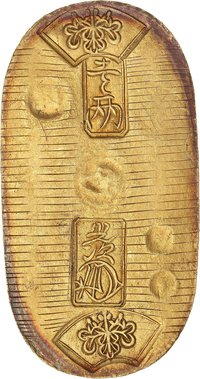
Description:
Kiri crests above and below the central value.
Inscription:
分 一
Translation:
One Bu
Language: Japanese
Engraver: Shozaburo Mitsutsugu
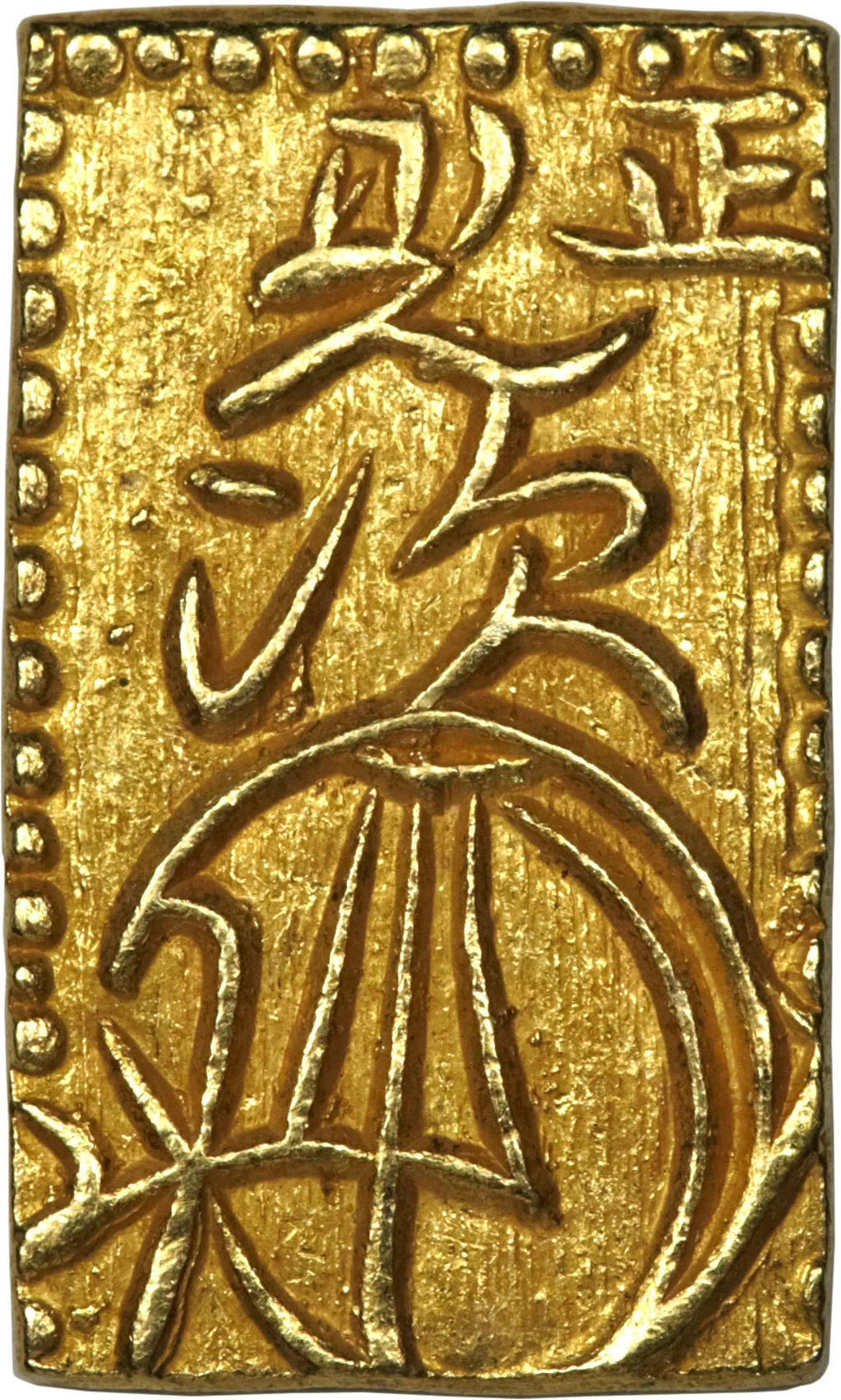
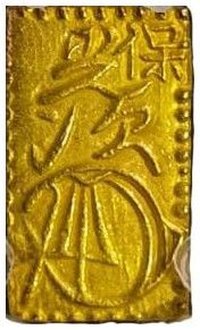
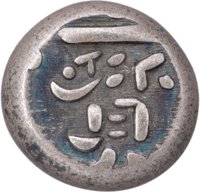
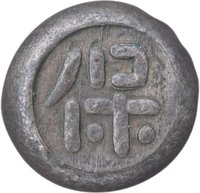
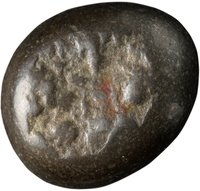
Reverse
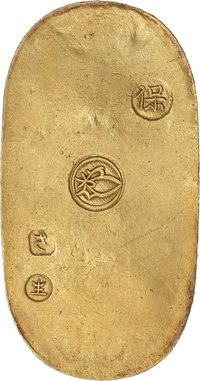
Description:
The Mint Official and his signature.
Inscription:
正
光
次
光
次
Translation:
Zheng Guang Era Coin
Language: Classical Chinese
Engraver: Shozaburo Mitsutsugu
Edge
Mints
| Name | Mark |
|---|---|
| Kinza, Edo | — |
Mintings
| Year | Mint Mark | Mintage | Quality | Collection |
|---|---|---|---|---|
| — | — | — |
Historical background
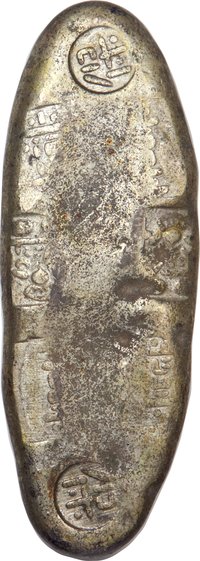
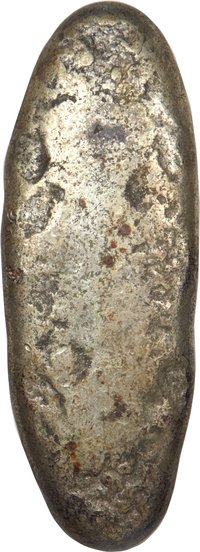
In 1837, Japan operated under a complex and strained multi-metallic currency system, strictly controlled by the Tokugawa shogunate. The economy relied on three primary coinages: gold koban and ryō for large transactions, silver chōgin and momme for regional and commercial use, and copper mon for everyday purchases. This system, however, was plagued by chronic debasement. Facing severe fiscal deficits, the shogunate repeatedly reduced the precious metal content in coins while officially maintaining their face value, leading to a proliferation of different coin issues and widespread confusion in exchange rates between domains.
The currency instability was a direct contributor to severe social and economic distress, most notably the Tembun Famine of the 1830s. As the money supply became erratic and inflation set in, the price of rice—the staple food and a de-facto economic benchmark—became highly volatile. This crisis culminated in the Ōshio Heihachirō Rebellion in Osaka in early 1837, a major uprising led by a former police official who cited the government's failure to address currency-driven inflation and merchant hoarding as key justifications for his revolt. The rebellion, though swiftly crushed, starkly exposed how monetary policy failure could threaten the social order.
Ultimately, the situation of 1837 was a symptom of the Tokugawa system's deeper structural problems. The shogunate's debasements were short-term fixes that eroded public trust in the currency, while the semi-autonomous domains exacerbated the issue by issuing their own low-quality paper scrip (hansatsu). This created a fragmented monetary landscape that hindered national commerce and strained the finances of both the samurai aristocracy, who lived on fixed stipends, and the peasantry, who paid taxes in rice but bought goods with devalued coin. The currency turmoil of this period thus underscored the growing inability of the shogunate to manage the economy, foreshadowing the greater crises that would unfold in the coming decades.
The currency instability was a direct contributor to severe social and economic distress, most notably the Tembun Famine of the 1830s. As the money supply became erratic and inflation set in, the price of rice—the staple food and a de-facto economic benchmark—became highly volatile. This crisis culminated in the Ōshio Heihachirō Rebellion in Osaka in early 1837, a major uprising led by a former police official who cited the government's failure to address currency-driven inflation and merchant hoarding as key justifications for his revolt. The rebellion, though swiftly crushed, starkly exposed how monetary policy failure could threaten the social order.
Ultimately, the situation of 1837 was a symptom of the Tokugawa system's deeper structural problems. The shogunate's debasements were short-term fixes that eroded public trust in the currency, while the semi-autonomous domains exacerbated the issue by issuing their own low-quality paper scrip (hansatsu). This created a fragmented monetary landscape that hindered national commerce and strained the finances of both the samurai aristocracy, who lived on fixed stipends, and the peasantry, who paid taxes in rice but bought goods with devalued coin. The currency turmoil of this period thus underscored the growing inability of the shogunate to manage the economy, foreshadowing the greater crises that would unfold in the coming decades.
Series: 1837 Japan circulation coins
✨ Legendary