

25 Kopecks – Russian Empire
Russia
Context
Years: 1827–1831
Country: Russia 
Issuer: Russian Empire
Ruler: Nicholas I
Currency:
(1700—1917)
Demonetized: Yes
Total mintage: 5,012,014
Material
References
Numista: #26906
Value
Bullion value: $12.78
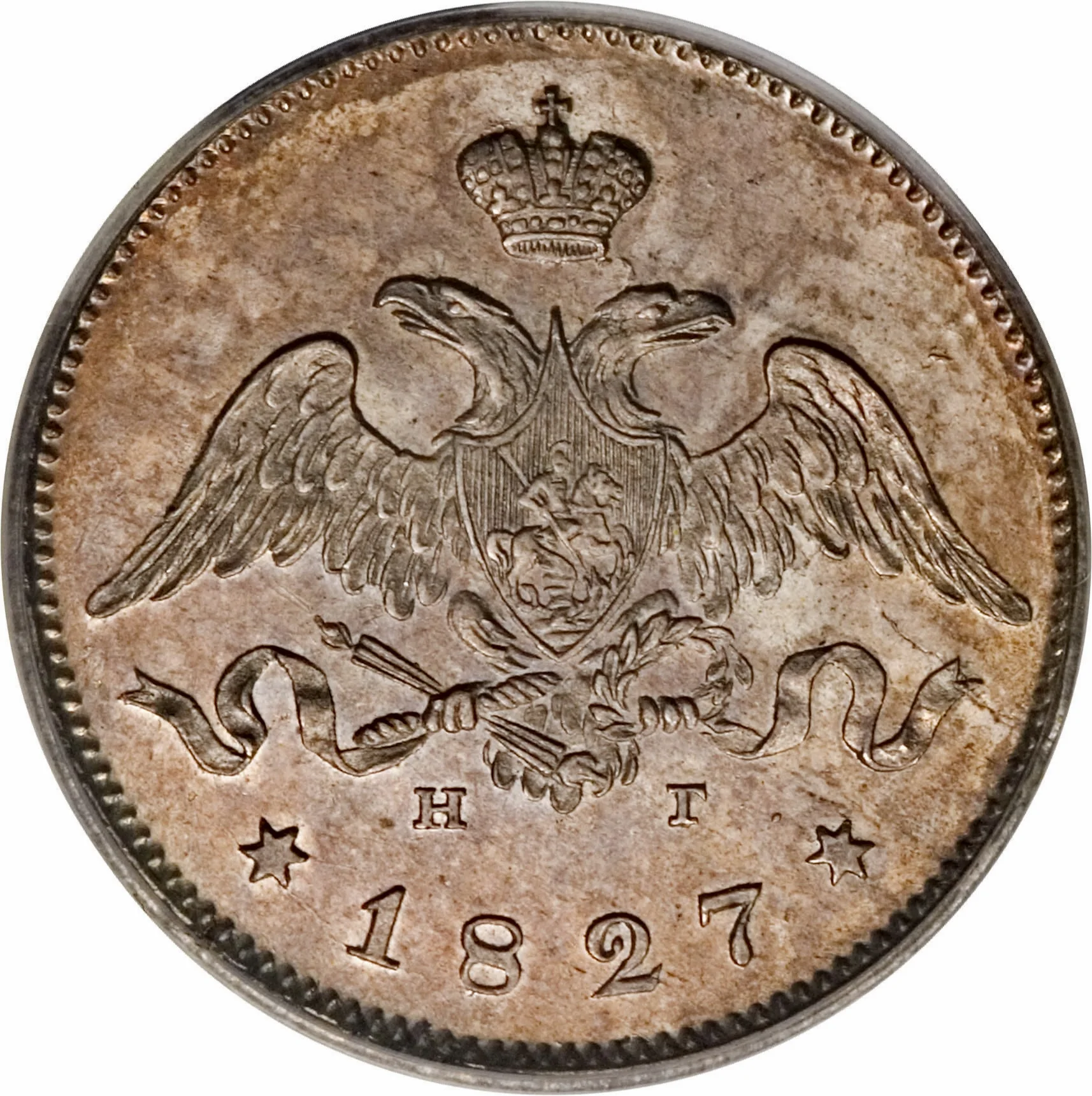
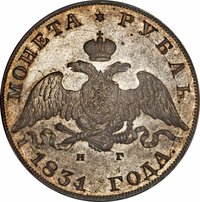
Obverse
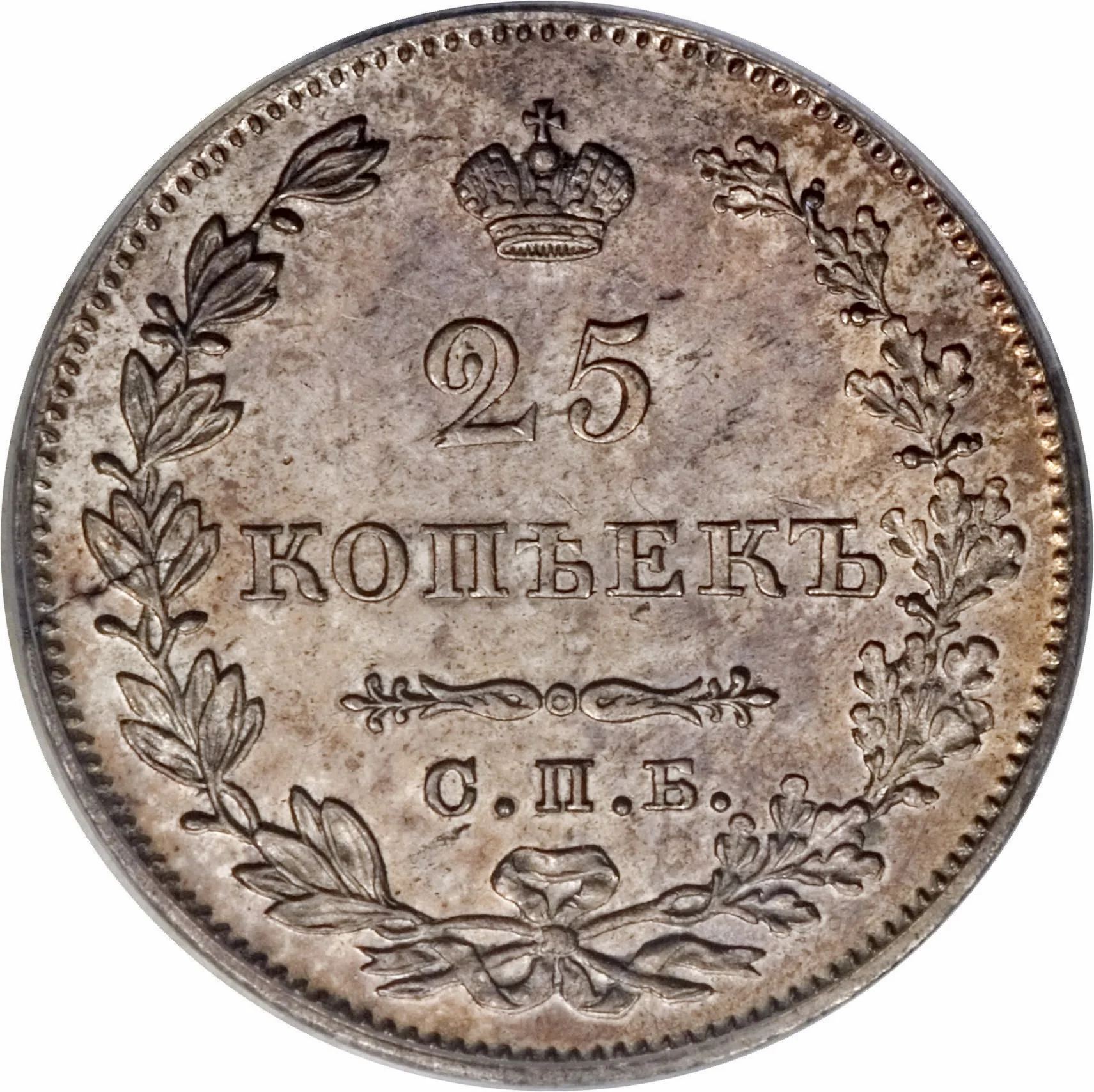
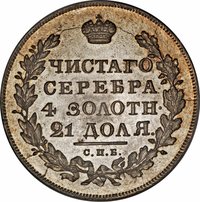
Reverse
Edge
Dotted
Mintings
| Year | Mint Mark | Mintage | Quality | Collection |
|---|---|---|---|---|
| 1827 | СПБ | 1,860,002 | BU | |
| 1828 | СПБ | 308,005 | BU | |
| 1829 | СПБ | 1,200,001 | BU | |
| 1830 | СПБ | 1,160,006 | BU | |
| 1831 | СПБ | 484,000 | BU |
Historical background
In 1827, the currency system of the Russian Empire was defined by the long-standing, yet increasingly problematic, silver standard, formally established by the monetary reform of Count E.F. Kankrin in 1839. The fundamental unit was the silver ruble, but the reality of circulation was dominated by depreciated paper money—assignatsii (assignats). First issued in 1769 to finance wars, these assignats had proliferated, leading to a severe and persistent divergence between the silver and paper ruble. By 1827, one silver ruble was worth approximately 3.5-3.6 paper assignat rubles, a fixed official rate that masked underlying economic strain and a lack of public confidence in the paper currency.
This bimetalic system created significant economic friction. While state accounts and international trade were conducted in silver, most domestic commerce and salaries were paid in the much less valuable assignats, leading to complexity and a de facto dual-price system. The government, burdened by the enormous costs of the Napoleonic Wars and maintaining a vast standing army, relied heavily on printing more assignats to cover budgetary shortfalls, which perpetuated inflationary pressures. Furthermore, the empire’s monetary stock was fragmented, with copper coinage used for everyday small transactions, silver for larger domestic and trade purposes, and gold coinage playing a minor role.
Consequently, the year 1827 fell within a period of monetary instability and earnest, but cautious, preparation for reform. Count Kankrin, the Minister of Finance, was actively working to accumulate a silver reserve and reduce the volume of assignats in circulation, a necessary precursor to his eventual successful reform. The situation was therefore one of a managed but fragile equilibrium, with the state acutely aware of the need to restore the value of its currency and establish a unified monetary system to foster economic growth and stability, goals that would culminate in the definitive reform of 1839-1843.
This bimetalic system created significant economic friction. While state accounts and international trade were conducted in silver, most domestic commerce and salaries were paid in the much less valuable assignats, leading to complexity and a de facto dual-price system. The government, burdened by the enormous costs of the Napoleonic Wars and maintaining a vast standing army, relied heavily on printing more assignats to cover budgetary shortfalls, which perpetuated inflationary pressures. Furthermore, the empire’s monetary stock was fragmented, with copper coinage used for everyday small transactions, silver for larger domestic and trade purposes, and gold coinage playing a minor role.
Consequently, the year 1827 fell within a period of monetary instability and earnest, but cautious, preparation for reform. Count Kankrin, the Minister of Finance, was actively working to accumulate a silver reserve and reduce the volume of assignats in circulation, a necessary precursor to his eventual successful reform. The situation was therefore one of a managed but fragile equilibrium, with the state acutely aware of the need to restore the value of its currency and establish a unified monetary system to foster economic growth and stability, goals that would culminate in the definitive reform of 1839-1843.
⭐ Rare