

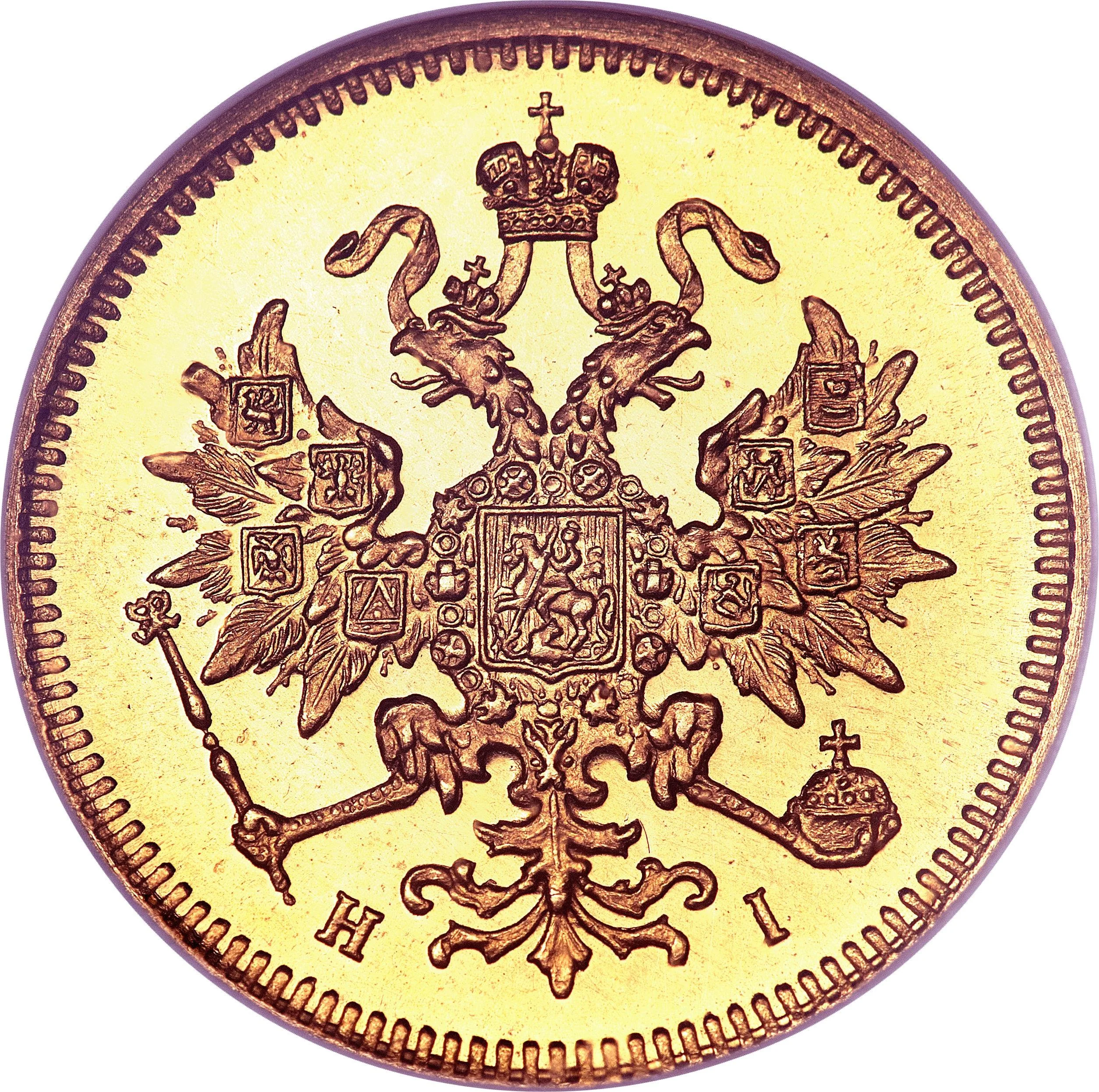
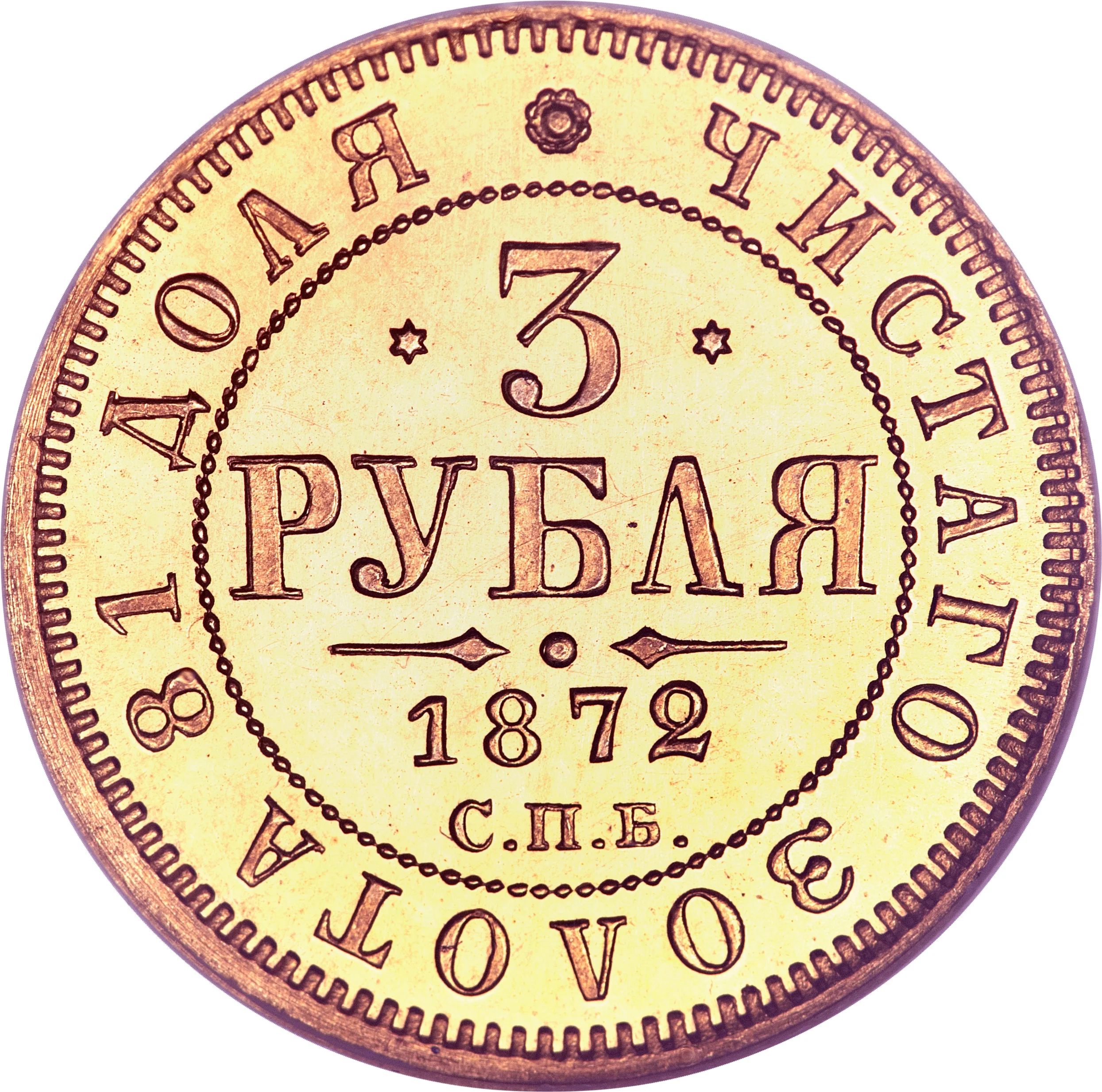
3 rubles – Russian Empire
Add to wishlist
Russia
Context
Years: 1869–1885
Country: Russia
Issuer: Russian Empire
Ruler: Alexander II
Currency:
(1700—1917)
Demonetized: Yes
Total mintage: 1,612,077
Material
References
Y: #
Numista: #26857
Value
Bullion value: $552.19
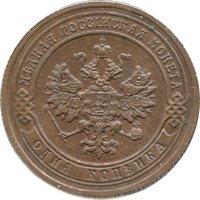
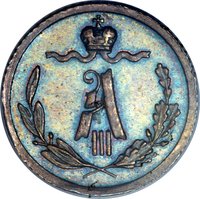
Obverse
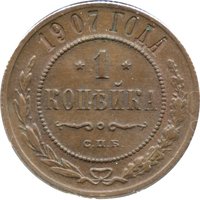
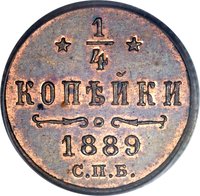
Reverse
Edge
Dotted
Categories
| Symbols> Coat of Arms |
Mints
| Name | Mark |
|---|---|
| Saint Petersburg | СПБ |
Mintings
Historical background
In 1869, the Russian Empire was in a transitional period of monetary reform, still grappling with the legacy of the Crimean War (1853-1856). The state finances were strained, and the primary circulating currency remained the silver-based paper credit ruble (kreditny bilet). However, these notes were not fully convertible to specie, having been detached from a fixed parity during the war, and they circulated at a fluctuating discount against silver coin. This created a de facto system of fiduciary money, where public confidence and state decree, rather than a direct link to a precious metal reserve, largely determined the currency's value.
The monetary system was complex and unstable, characterized by a parallel circulation of paper credit rubles, full-value silver coins (like rubles and poltinas), and gold coins. The government, under Tsar Alexander II and his Finance Minister Mikhail Reutern, was actively working to stabilize the currency as part of the broader Great Reforms. A key goal was the restoration of convertibility to curb inflation and facilitate foreign investment crucial for industrialization. Efforts were focused on accumulating a specie reserve (gold and silver) through budget surpluses and foreign loans, laying the groundwork for the future.
Thus, the currency situation in 1869 was one of cautious preparation and lingering instability. The credit ruble was the workhorse of the economy but its value was unreliable, hindering both domestic and international commerce. The state was consciously moving toward the major reform that would culminate in 1897 under Sergei Witte, which established the gold standard, but in 1869, Russia remained on an uncertain paper standard, navigating the financial challenges of modernization and post-war recovery.
The monetary system was complex and unstable, characterized by a parallel circulation of paper credit rubles, full-value silver coins (like rubles and poltinas), and gold coins. The government, under Tsar Alexander II and his Finance Minister Mikhail Reutern, was actively working to stabilize the currency as part of the broader Great Reforms. A key goal was the restoration of convertibility to curb inflation and facilitate foreign investment crucial for industrialization. Efforts were focused on accumulating a specie reserve (gold and silver) through budget surpluses and foreign loans, laying the groundwork for the future.
Thus, the currency situation in 1869 was one of cautious preparation and lingering instability. The credit ruble was the workhorse of the economy but its value was unreliable, hindering both domestic and international commerce. The state was consciously moving toward the major reform that would culminate in 1897 under Sergei Witte, which established the gold standard, but in 1869, Russia remained on an uncertain paper standard, navigating the financial challenges of modernization and post-war recovery.
💎 Extremely Rare