

2 pounds – Syria
Add to wishlist
Syria
Context
Year: 1996
Islamic (Hijri) Year:: 1416
Issuer: Syria
Period:
(since 1961)
Currency:
(since 1919)
Demonetized: Yes
Total mintage: 83,781,000
Material
References
KM: #
Numista: #2679
Value
Exchange value: 2 SYP
Obverse
Description:
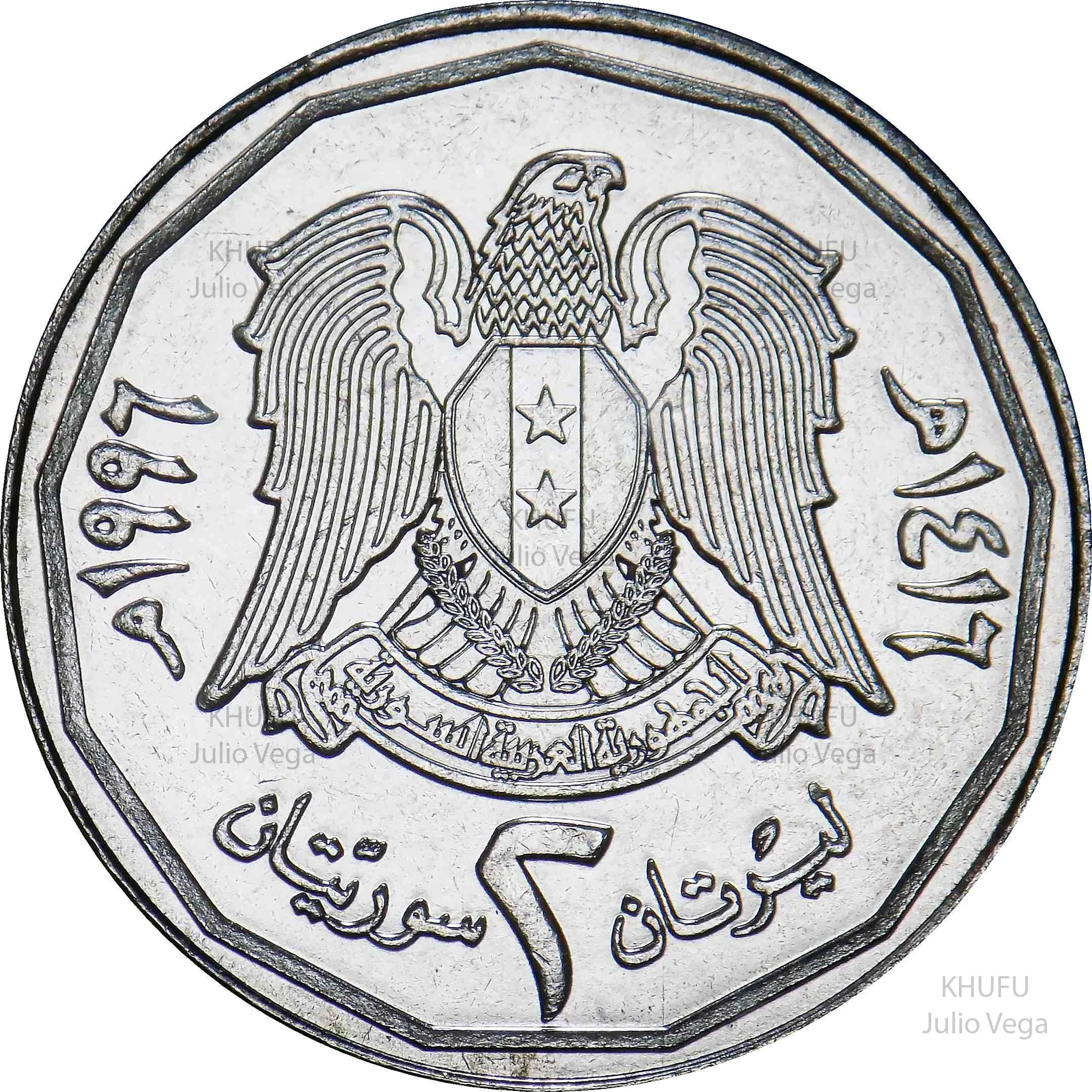
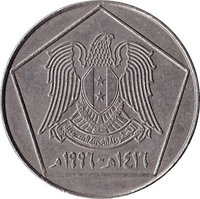
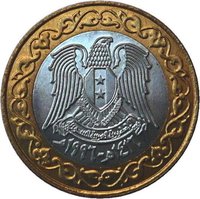
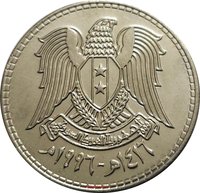
Syria's coat of arms in a 13-sided shape: the Quraish hawk holding a shield with two stars and a scroll bearing the country's Arabic name. Arabic numeral dates below.
Inscription:
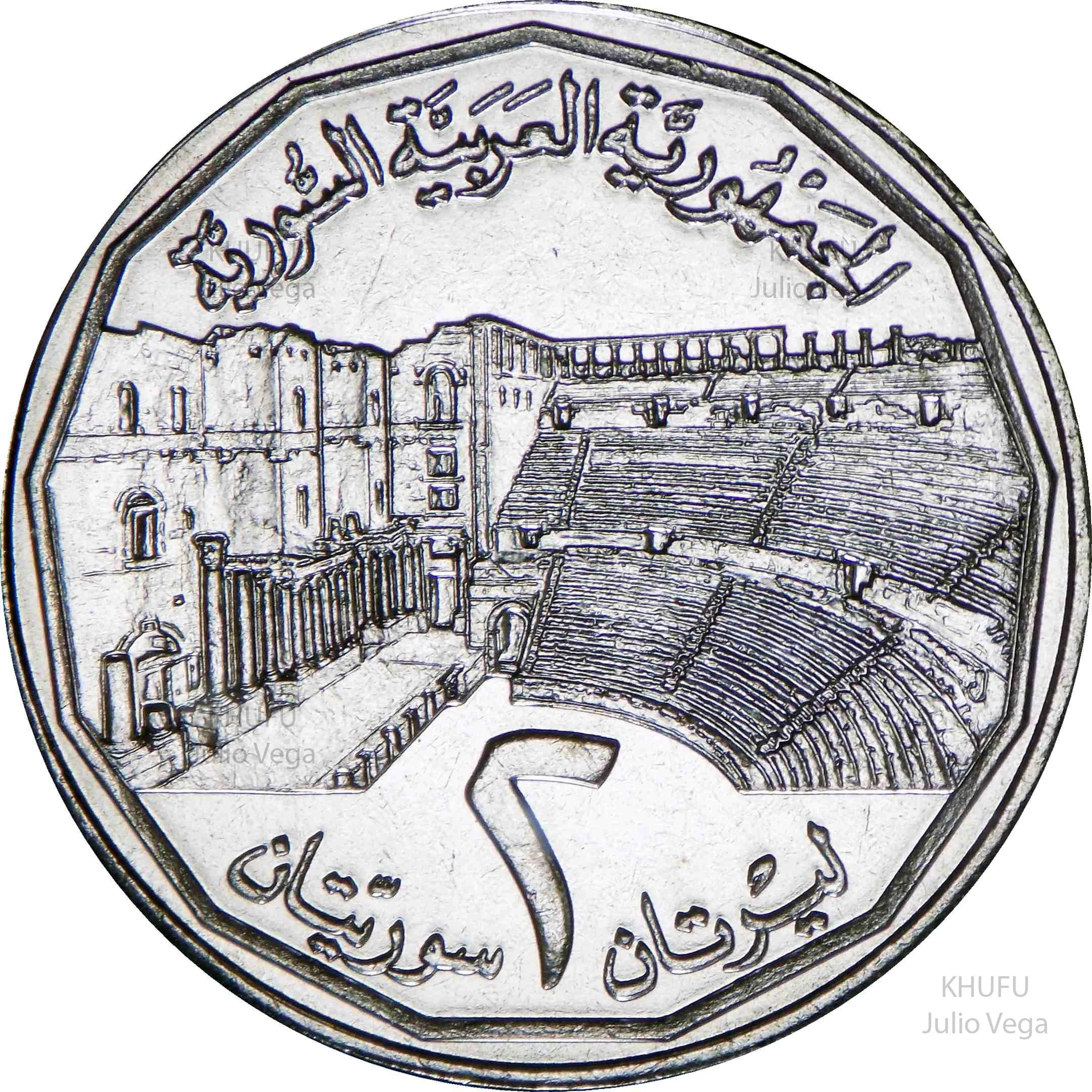
الجمهورية العربية السورية
١٤١٦ ١٩٩٦
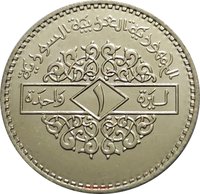
ليرتان ٢ سوريان
١٤١٦ ١٩٩٦
ليرتان ٢ سوريان
Translation:
Syrian Arab Republic
1416 1996
Two Syrian Liras 2
1416 1996
Two Syrian Liras 2
Script: Arabic
Language: Arabic
Reverse
Edge
Reeded
Mints
| Name | Mark |
|---|---|
| Monnaie de Paris | — |
Mintings
| Year | Mint Mark | Mintage | Quality | Collection |
|---|---|---|---|---|
| 1996 | — | 83,781,000 |
Historical background
In 1996, Syria's currency situation was characterized by a rigid, state-controlled system that masked underlying economic vulnerabilities. The Syrian Pound (SYP) was officially pegged at an overvalued rate of 11.2 to the US dollar, a fixed parity maintained by the Central Bank of Syria for government transactions and strategic imports. This official rate, however, existed alongside a thriving black market where the pound traded at a significant discount, often around 50 SYP to the dollar, reflecting the true market pressure from limited foreign exchange reserves, a large trade deficit, and the inefficiencies of a heavily centralized economy.
The government of President Hafez al-Assad maintained this dual system as a matter of policy and control. Access to the coveted official rate was restricted, primarily benefiting loyal state-owned enterprises and importers of essential goods, while the general public and private sector largely depended on the parallel market. This structure created distortions, encouraged corruption, and acted as a barrier to foreign investment. The economy was further strained by the legacy of participation in the Gulf War (1990-91), which had ended crucial financial aid from Arab Gulf states, and by ongoing tensions with regional neighbors.
Overall, the 1996 currency landscape was one of artificial stability on the surface, with significant fragility beneath. The wide gap between the official and black-market rates served as a clear indicator of macroeconomic imbalances, including low foreign reserves and limited export diversification beyond oil. While not in a state of acute crisis that year, this unsustainable system foreshadowed the more severe pressures and gradual devaluations that would follow in the subsequent decades.
The government of President Hafez al-Assad maintained this dual system as a matter of policy and control. Access to the coveted official rate was restricted, primarily benefiting loyal state-owned enterprises and importers of essential goods, while the general public and private sector largely depended on the parallel market. This structure created distortions, encouraged corruption, and acted as a barrier to foreign investment. The economy was further strained by the legacy of participation in the Gulf War (1990-91), which had ended crucial financial aid from Arab Gulf states, and by ongoing tensions with regional neighbors.
Overall, the 1996 currency landscape was one of artificial stability on the surface, with significant fragility beneath. The wide gap between the official and black-market rates served as a clear indicator of macroeconomic imbalances, including low foreign reserves and limited export diversification beyond oil. While not in a state of acute crisis that year, this unsustainable system foreshadowed the more severe pressures and gradual devaluations that would follow in the subsequent decades.
Series: 1996 Syria circulation coins
🌱 Common