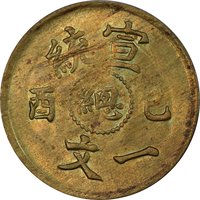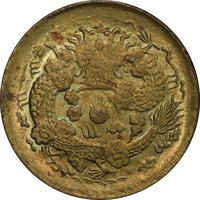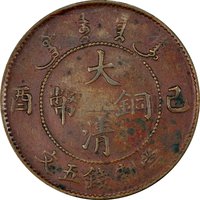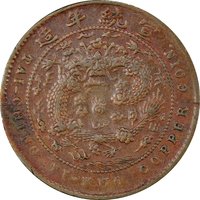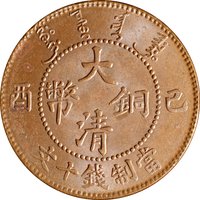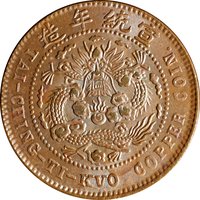
In 1909, the currency system of the Qing Empire was in a state of profound and chaotic transition, reflecting the dynasty's broader political and economic decline. The traditional system, based on silver sycee (unminted ingots weighed in
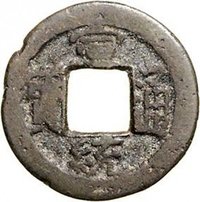
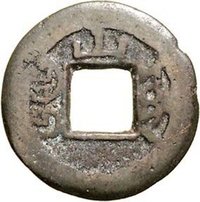
taels) and copper-alloy
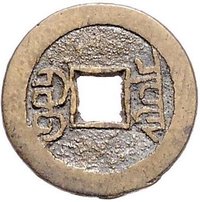
cash coins, remained in widespread use but was highly decentralized and inefficient. The lack of a standardized national coinage led to bewildering regional variations in the weight, purity, and exchange rates between silver and copper, severely hampering domestic trade and government finance.
This internal monetary disarray was compounded by intense external pressure. The late 19th century had seen a massive influx of foreign silver dollars, primarily Mexican and British trade dollars, which circulated widely due to their uniform weight and reliability. Furthermore, the indemnity payments from the Boxer Protocol (1901), denominated in foreign gold-backed currencies, had locked China into the volatile global gold-silver exchange rate. As the international price of silver fell sharply in the early 1900s, the Qing government's real debt burden increased, and its silver-based economy suffered from debilitating inflation.
In response, the court launched a belated and only partially successful currency reform. The government established the Ta-Ching Government Bank (1905) and passed regulations to create a unified, decimal currency system based on the silver
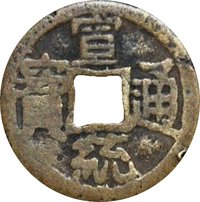
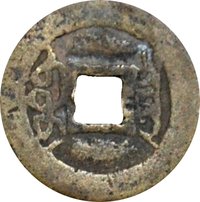
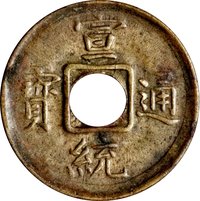
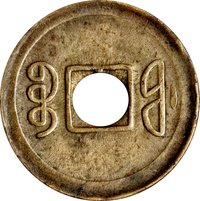
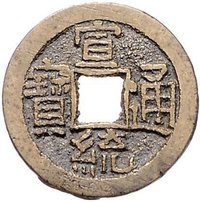
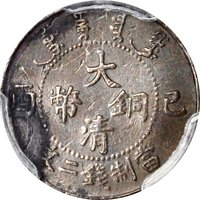
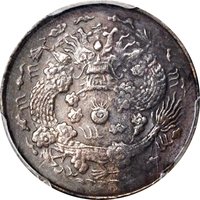
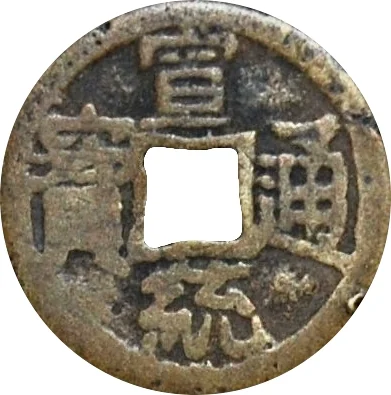
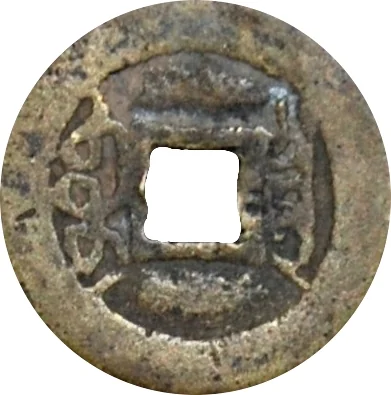
yuan. The first national coins, bearing the reign title "Xuantong" (the child emperor Puyi), were minted in 1909. However, these reforms faced immense obstacles: insufficient reserves, competition from both traditional currencies and foreign coins, and a lack of public trust in the faltering central authority. Consequently, 1909 represents a moment where the old monetary order was visibly crumbling, a new one was struggling to be born, and the financial sovereignty of the empire was rapidly eroding.