

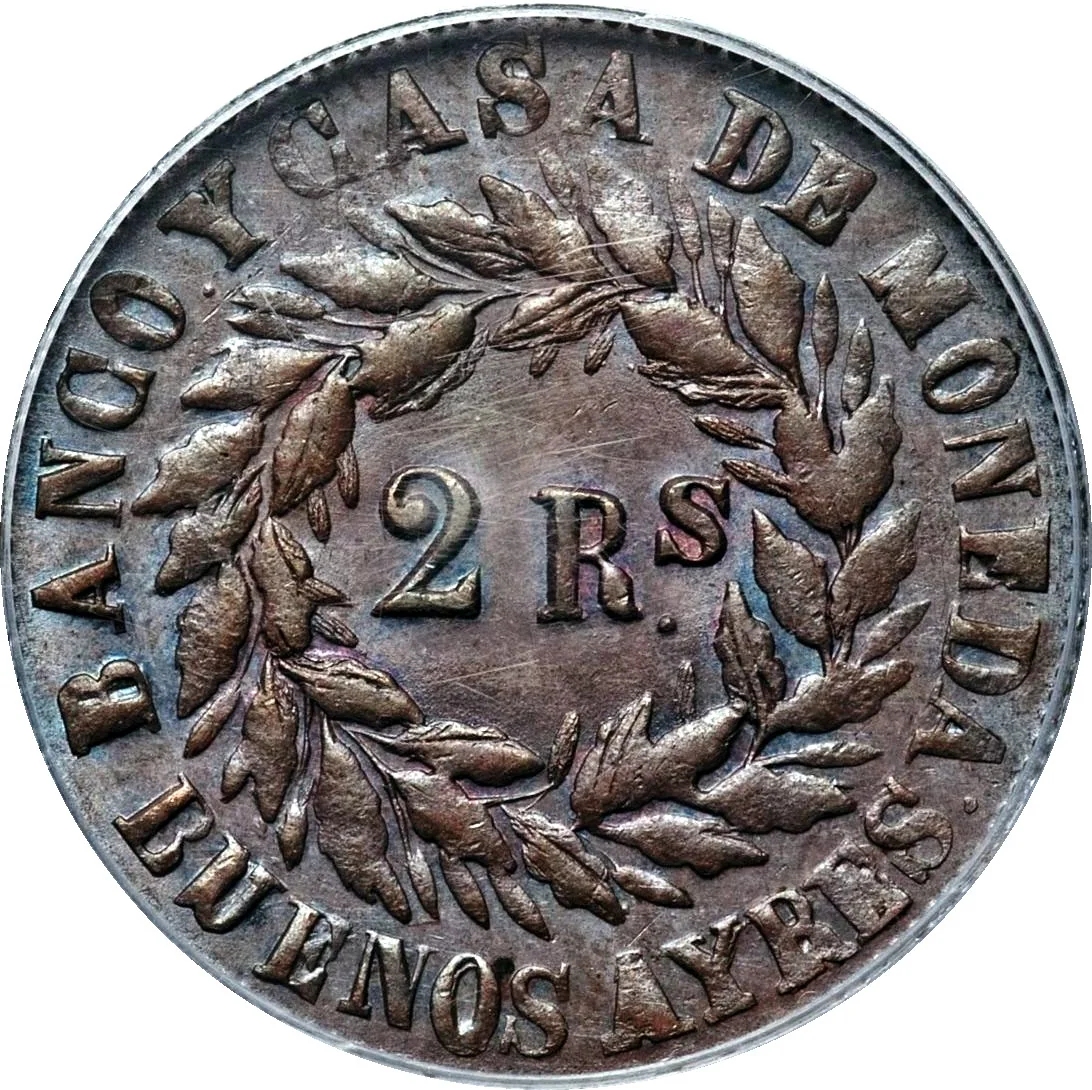
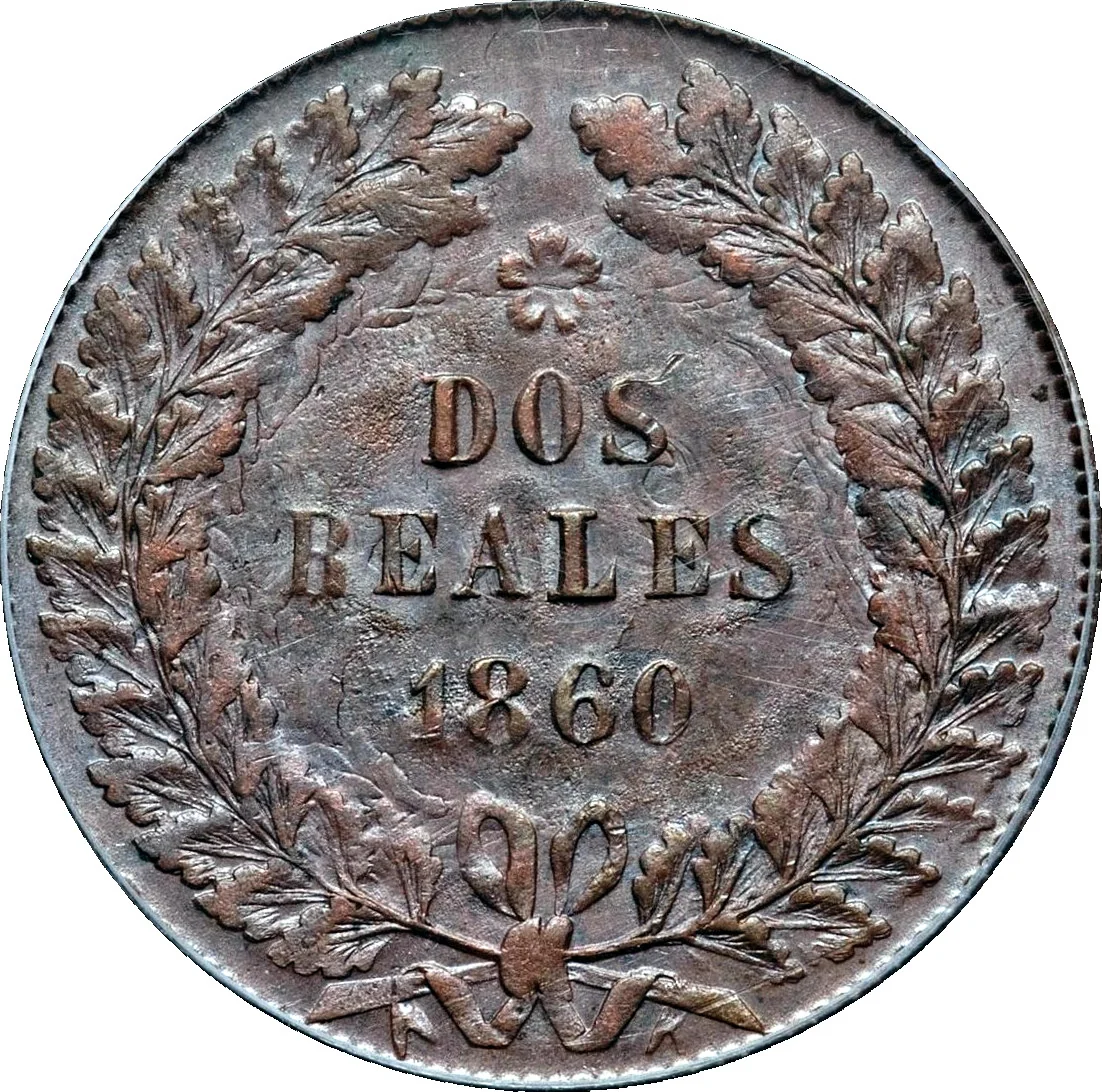
2 reales – Buenos Aires
Add to wishlist
Argentina
Context
Years: 1860–1861
Country: Argentina
Issuer: Buenos Aires
Period:
(1853—1861)
Currency:
(1822—1861)
Demonetized: Yes
Material
References
KM: #
Numista: #26469
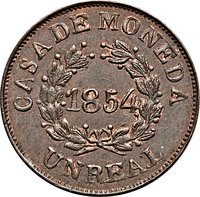
Obverse
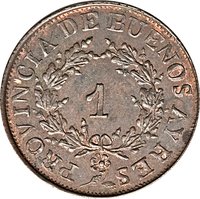
Reverse
Edge
Plain
Mintings
| Year | Mint Mark | Mintage | Quality | Collection |
|---|---|---|---|---|
| 1860 | — | — | ||
| 1861 | — | — |
Historical background
In 1860, Buenos Aires existed in a state of tense semi-autonomy from the Argentine Confederation, a political arrangement following its military defeat at the 1859 Battle of Cepeda. This unique status was critical to its currency situation. While the Confederation issued its own pesos, Buenos Aires, controlling the nation's primary port and customs revenue, operated its own separate financial system. The province issued its own paper money, the peso moneda corriente, which circulated alongside a variety of foreign gold and silver coins, creating a complex and often unstable monetary environment.
The core problem was one of severe depreciation and lack of confidence. The Buenos Aires government, frequently in need of funds, excessively issued its paper currency without sufficient metallic backing. This led to a significant gap between the value of paper pesos corrientes and gold or silver pesos fuertes. Exchange rates fluctuated wildly based on political and military news, with the paper peso trading at a steep discount. This duality created practical chaos for commerce, as prices were often quoted differently depending on the currency used, and creditors faced losses from depreciating paper.
This fragmented monetary landscape was a direct reflection of the larger struggle for national unification. Buenos Aires's ability to maintain its own currency was a key lever of its economic power and political defiance. The situation would only begin to resolve after the decisive Battle of Pavón in 1861, which cemented Buenos Aires' dominance and set the stage for national unification under its leadership, eventually allowing for the creation of a single, national currency in the following decade.
The core problem was one of severe depreciation and lack of confidence. The Buenos Aires government, frequently in need of funds, excessively issued its paper currency without sufficient metallic backing. This led to a significant gap between the value of paper pesos corrientes and gold or silver pesos fuertes. Exchange rates fluctuated wildly based on political and military news, with the paper peso trading at a steep discount. This duality created practical chaos for commerce, as prices were often quoted differently depending on the currency used, and creditors faced losses from depreciating paper.
This fragmented monetary landscape was a direct reflection of the larger struggle for national unification. Buenos Aires's ability to maintain its own currency was a key lever of its economic power and political defiance. The situation would only begin to resolve after the decisive Battle of Pavón in 1861, which cemented Buenos Aires' dominance and set the stage for national unification under its leadership, eventually allowing for the creation of a single, national currency in the following decade.
🌱 Fairly Common