

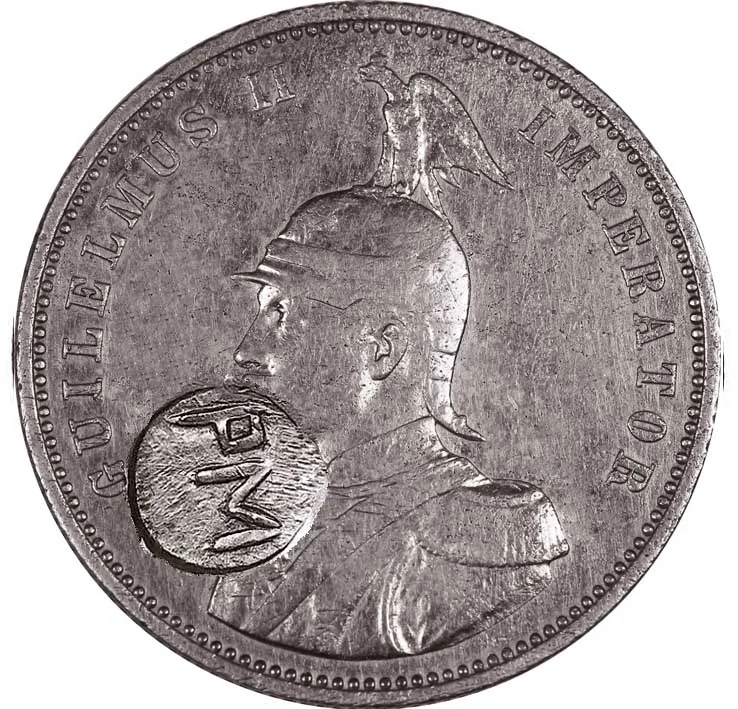
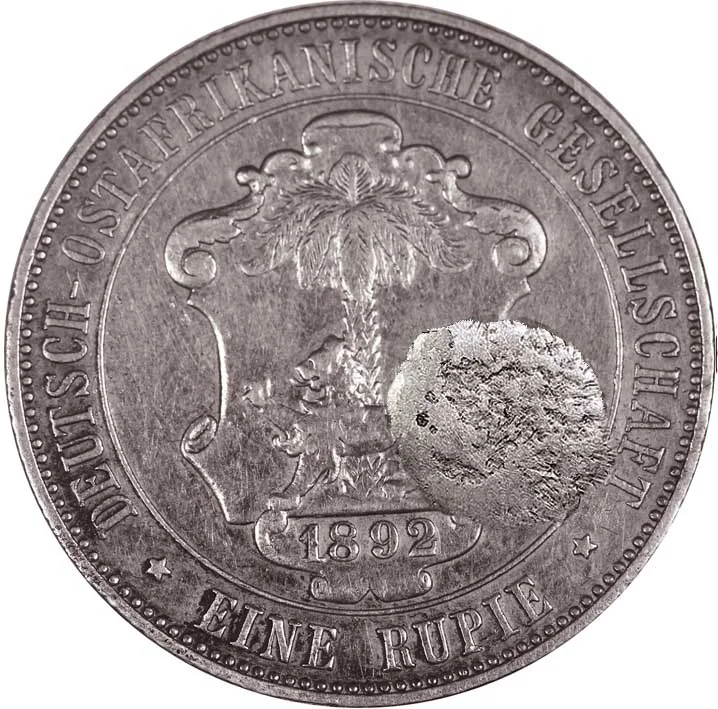
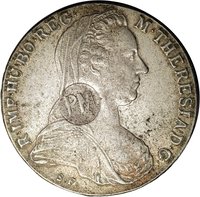
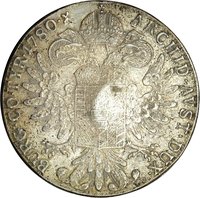
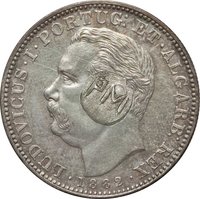
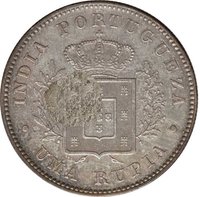
450 réis – Mozambique
Add to wishlist
Mozambique
Context
Material
Diameter: 30 mm
Weight: 11.67 g
Silver Weight:: 11.67 g
Shape: Round
Composition: Silver
Magnetic: No
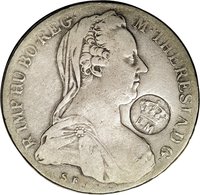
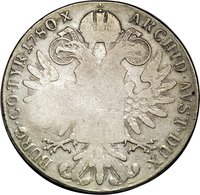
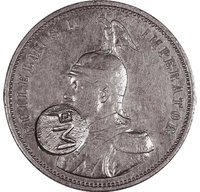
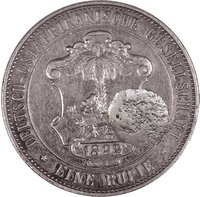
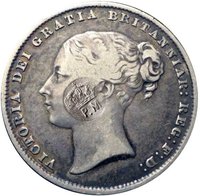
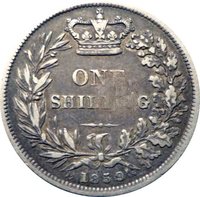
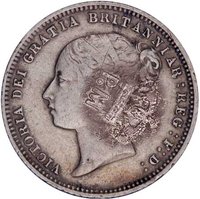
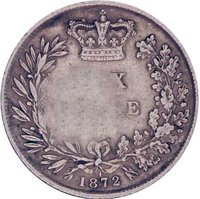
Technique: Countermarked
References
KM: #
Numista: #99010
Value
Bullion value: $29.29
Mintings
| Year | Mint Mark | Mintage | Quality | Collection |
|---|---|---|---|---|
| — | — | — |
Historical background
In 1889, Mozambique existed as a collection of coastal territories and hinterland zones under the control of the Portuguese Empire, but effective economic and monetary control was incomplete and fragmented. The official currency was the Portuguese real, but its circulation was largely confined to administrative centers and major coastal ports like Lourenço Marques (Maputo) and Beira. The Portuguese state struggled to impose a unified monetary system, leading to a complex and concurrent circulation of various other mediums of exchange throughout the territory.
Beyond the limited reach of the real, the economy operated on a dual system. Internationally, trade was conducted in gold sovereigns (British pounds) and Spanish or Mexican silver dollars (pesos), which were trusted for high-value transactions, particularly in the growing export sectors of sugar, copra, and ivory. More broadly within the indigenous and rural economy, the primary "currency" remained commodity money, notably in the form of machiras (cotton cloths) and missangas (glass beads). These traditional units, with established values for tax payments and local trade, formed the bedrock of daily exchange.
This monetary mosaic in 1889 reflected Portugal's precarious financial position and the transitional nature of Mozambique's economy. The Portuguese state, burdened by debt, lacked the resources to enforce a single currency, while increased integration into global trade networks brought an influx of foreign coin. The situation was one of competitive coexistence, where imperial ambition clashed with economic reality, setting the stage for the monetary reforms and increased colonial control that would follow in the early 20th century.
Beyond the limited reach of the real, the economy operated on a dual system. Internationally, trade was conducted in gold sovereigns (British pounds) and Spanish or Mexican silver dollars (pesos), which were trusted for high-value transactions, particularly in the growing export sectors of sugar, copra, and ivory. More broadly within the indigenous and rural economy, the primary "currency" remained commodity money, notably in the form of machiras (cotton cloths) and missangas (glass beads). These traditional units, with established values for tax payments and local trade, formed the bedrock of daily exchange.
This monetary mosaic in 1889 reflected Portugal's precarious financial position and the transitional nature of Mozambique's economy. The Portuguese state, burdened by debt, lacked the resources to enforce a single currency, while increased integration into global trade networks brought an influx of foreign coin. The situation was one of competitive coexistence, where imperial ambition clashed with economic reality, setting the stage for the monetary reforms and increased colonial control that would follow in the early 20th century.
✨ Legendary