

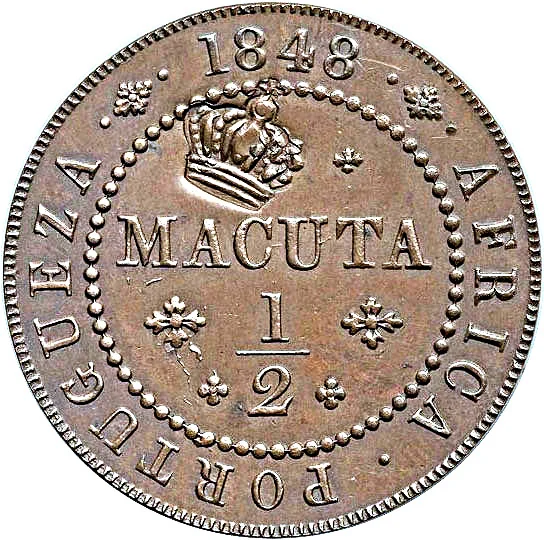
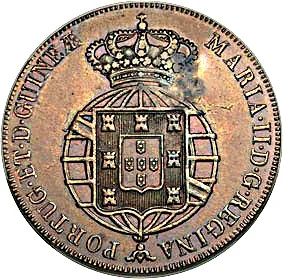
40 réis – Azores
Add to wishlist
Portugal
Mintings
| Year | Mint Mark | Mintage | Quality | Collection |
|---|---|---|---|---|
| 1871 | — | — |
Historical background
In 1871, the currency situation in the Azores was a complex and locally adapted subsystem within the broader Portuguese monetary framework. The official currency was the Portuguese real, but the archipelago's isolation and persistent trade imbalances created chronic shortages of official coinage. This scarcity was exacerbated by the Azores' primary role as an exporter of agricultural goods (oranges, wine, and later tea) and its need to import nearly all manufactured goods, causing hard currency to consistently flow out to mainland Portugal and international trade partners.
To facilitate everyday economic activity, a variety of foreign coins circulated widely and were accepted at negotiated rates. Most prominent were British gold sovereigns and coins from other maritime trading nations like France and Brazil. Furthermore, local entities, including municipal councils and even private businesses, often issued their own paper vales (promissory notes or scrip) to pay workers and settle local debts. This created a fragmented system where the value of money could vary between islands and even towns, based on trust in the issuing authority and the availability of metallic currency.
The situation was inherently unstable and inconvenient for growing commercial interests. While the Portuguese government had introduced decimal currency reform with the real in 1837, its practical implementation in the Azores was slow. The year 1871 fell within a period of mounting pressure for standardisation, which would culminate in the 1890s with the stronger enforcement of the real and the later introduction of the escudo across all Portugal. Thus, the Azorean economy in 1871 operated on a pragmatic, multi-currency patchwork, a necessary but inefficient solution born of geographic isolation and integrated within the wider context of 19th-century Portuguese economic challenges.
To facilitate everyday economic activity, a variety of foreign coins circulated widely and were accepted at negotiated rates. Most prominent were British gold sovereigns and coins from other maritime trading nations like France and Brazil. Furthermore, local entities, including municipal councils and even private businesses, often issued their own paper vales (promissory notes or scrip) to pay workers and settle local debts. This created a fragmented system where the value of money could vary between islands and even towns, based on trust in the issuing authority and the availability of metallic currency.
The situation was inherently unstable and inconvenient for growing commercial interests. While the Portuguese government had introduced decimal currency reform with the real in 1837, its practical implementation in the Azores was slow. The year 1871 fell within a period of mounting pressure for standardisation, which would culminate in the 1890s with the stronger enforcement of the real and the later introduction of the escudo across all Portugal. Thus, the Azorean economy in 1871 operated on a pragmatic, multi-currency patchwork, a necessary but inefficient solution born of geographic isolation and integrated within the wider context of 19th-century Portuguese economic challenges.
Series: 1871 Azores circulation coins
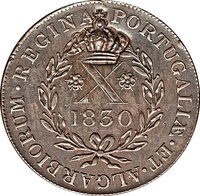
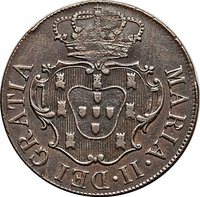
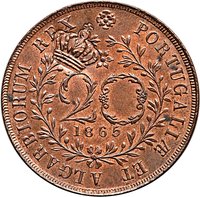
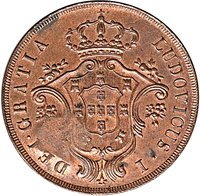

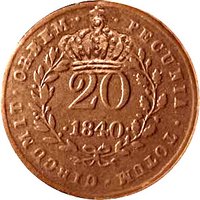
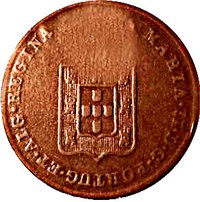
✨ Legendary