

5 Pence – Guernsey
Context
Years: 1968–1971
Country: British Crown dependencies
Issuer: Guernsey
Ruler: Elizabeth II
Currency:
(since 1971)
Total mintage: 810,000
Material
Diameter: 23.6 mm
Weight: 5.65 g
Thickness: 1.7 mm
Shape: Round
Composition: Copper-nickel
Technique: Milled
Alignment: Medal alignment
flip
References
KM: #Click to copy to clipboard23
Numista: #9873
Value
Exchange value: 0.05 GGP
Obverse
Description:
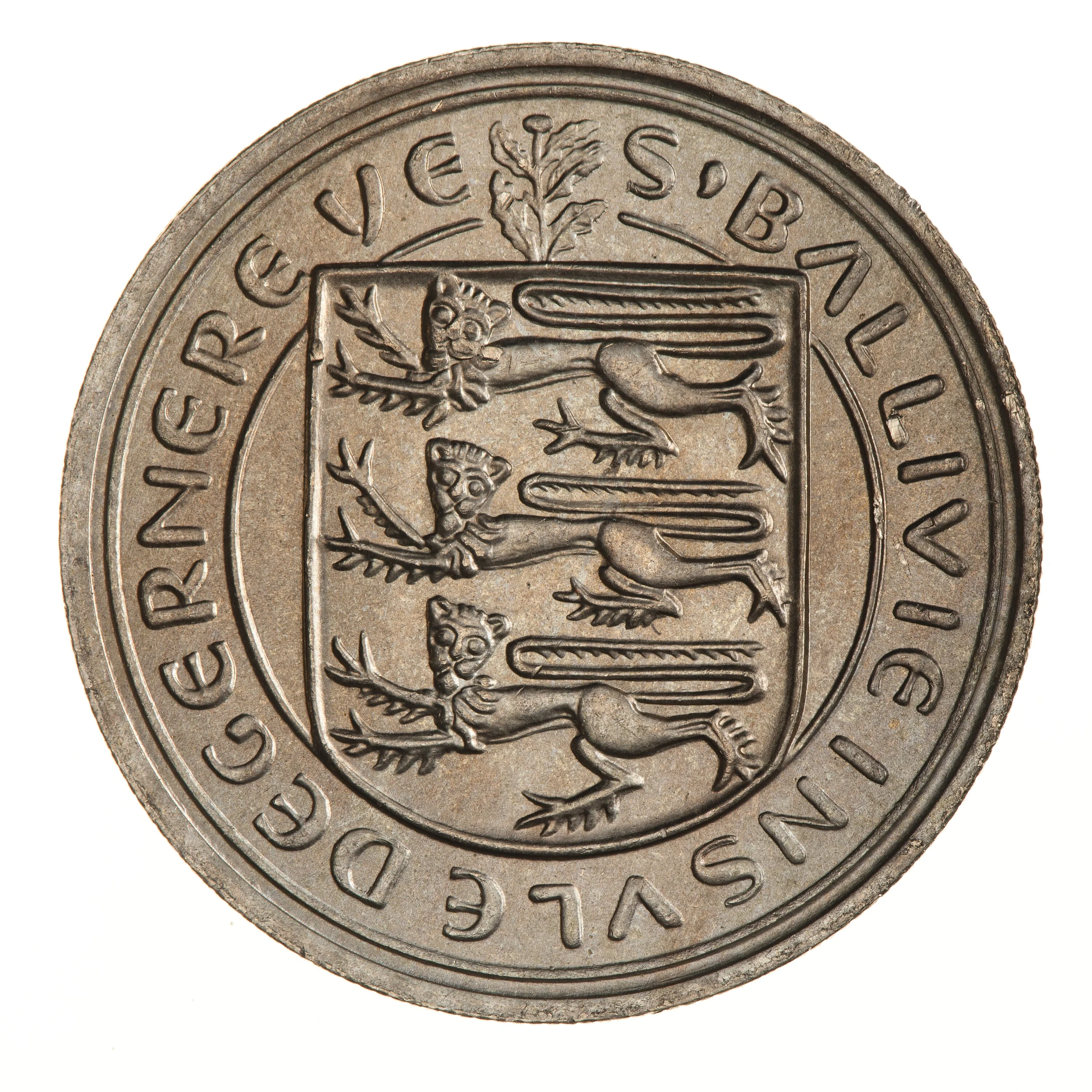
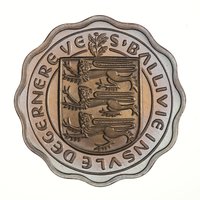
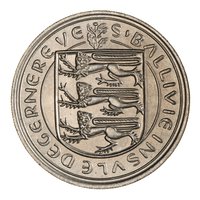
Arms: three leopards on a shield.
Inscription:
S'BALLIVIE INSVLE DEGERNEREVE
Script: Latin
Reverse
Description:
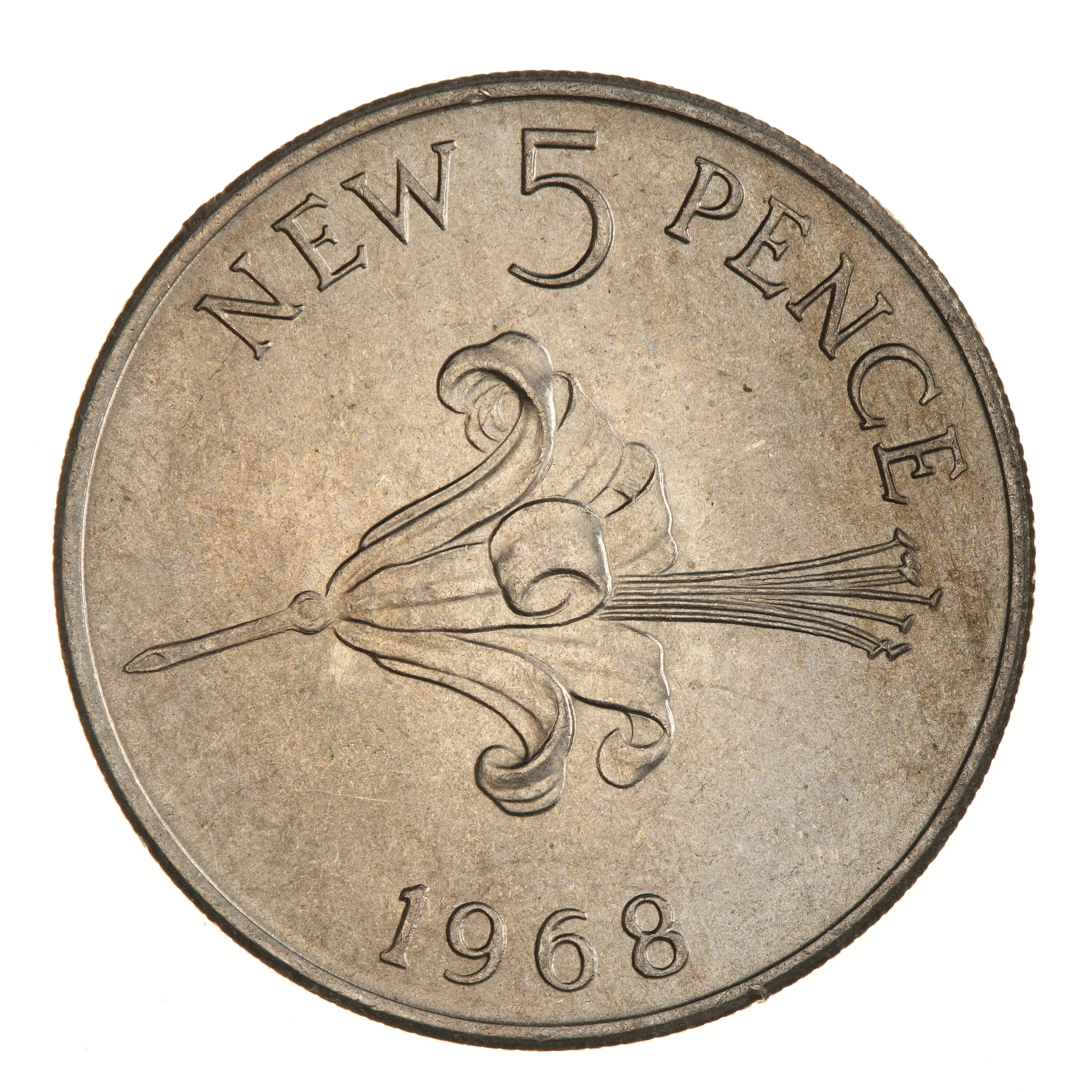
Guernsey lily: a pink autumn flower from South Africa.
Inscription:
NEW 5 PENCE
1968
1968
Script: Latin
Engraver: Paul Vincze
Edge
Milled
Categories
| Plants> Flower |
| Symbols> Coat of Arms |
Mints
| Name | Mark |
|---|---|
| Royal Mint (Tower Hill) | — |
Mintings
| Year | Mint Mark | Mintage | Quality | Collection |
|---|---|---|---|---|
| 1968 | — | 800,000 | ||
| 1971 | — | 10,000 | Proof |
Historical background
In 1968, the currency situation in Guernsey was one of transition and formalisation, moving away from a long-standing reliance on British sterling. For centuries, the island had used Bank of England notes and locally issued coins as its everyday currency. However, Guernsey had no legal tender paper money of its own, a situation that became increasingly anomalous as the island sought greater control over its monetary affairs and the benefits of issuing its own notes.
This pivotal year saw the passage of The Currency Notes (Guernsey) Law, 1968 by the States of Guernsey. This legislation provided the legal foundation for the States to issue its own official paper currency for the first time. The primary motivations were economic: to gain seigniorage revenue (the profit from issuing currency) for the island's budget and to secure an interest-free loan facility, thereby reducing reliance on UK banking systems and bolstering local financial independence.
Consequently, 1968 set the direct precedent for the introduction of the first modern Guernsey pound notes in 1969. These new notes, while remaining pegged at par with sterling and acceptable in the UK, were distinct legal tender within the Bailiwick. The move firmly established the Guernsey pound as a separate issue, marking a significant step in the island's fiscal autonomy while maintaining its essential link to the British monetary system.
This pivotal year saw the passage of The Currency Notes (Guernsey) Law, 1968 by the States of Guernsey. This legislation provided the legal foundation for the States to issue its own official paper currency for the first time. The primary motivations were economic: to gain seigniorage revenue (the profit from issuing currency) for the island's budget and to secure an interest-free loan facility, thereby reducing reliance on UK banking systems and bolstering local financial independence.
Consequently, 1968 set the direct precedent for the introduction of the first modern Guernsey pound notes in 1969. These new notes, while remaining pegged at par with sterling and acceptable in the UK, were distinct legal tender within the Bailiwick. The move firmly established the Guernsey pound as a separate issue, marking a significant step in the island's fiscal autonomy while maintaining its essential link to the British monetary system.
🌱 Very Common