

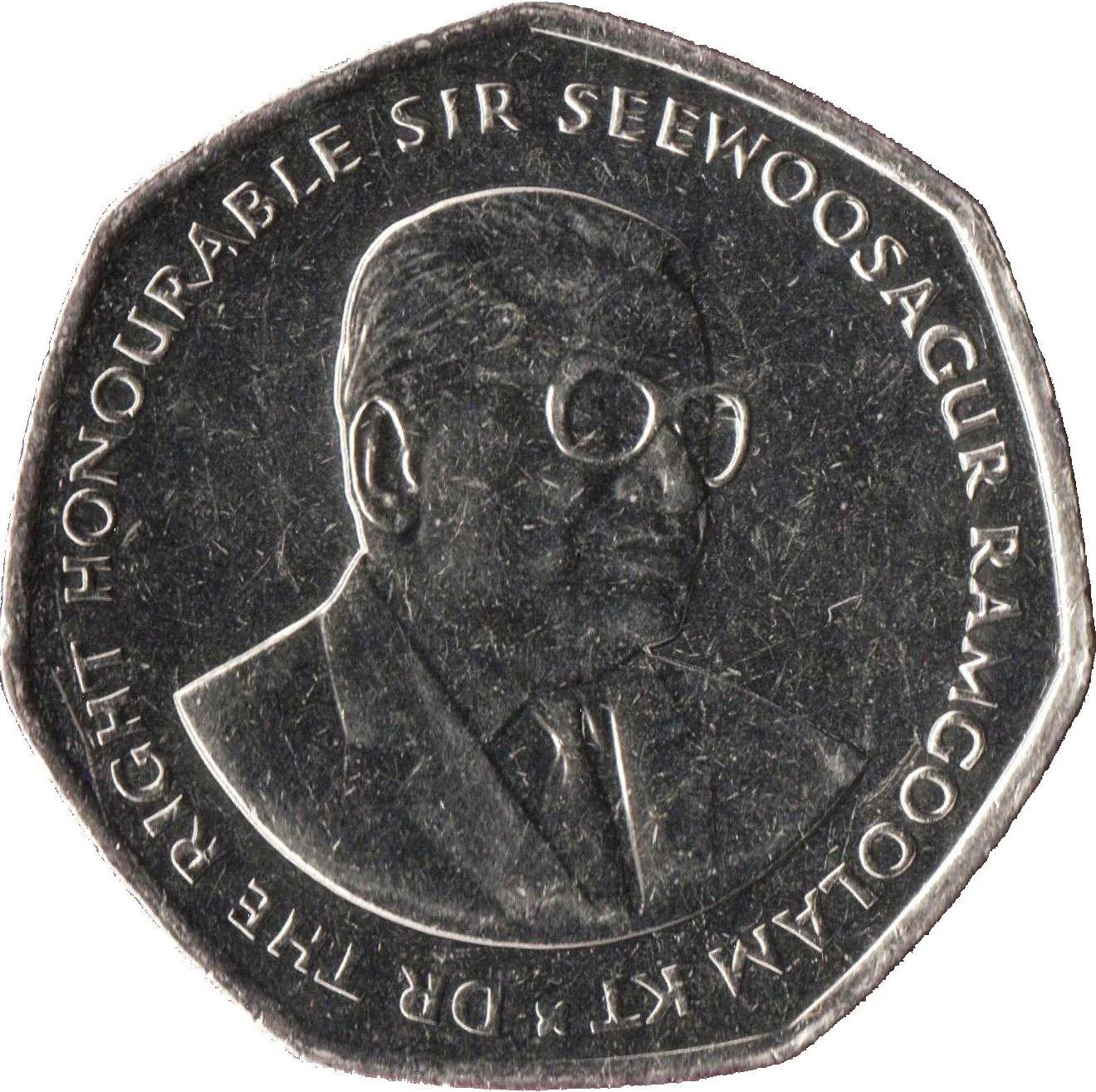
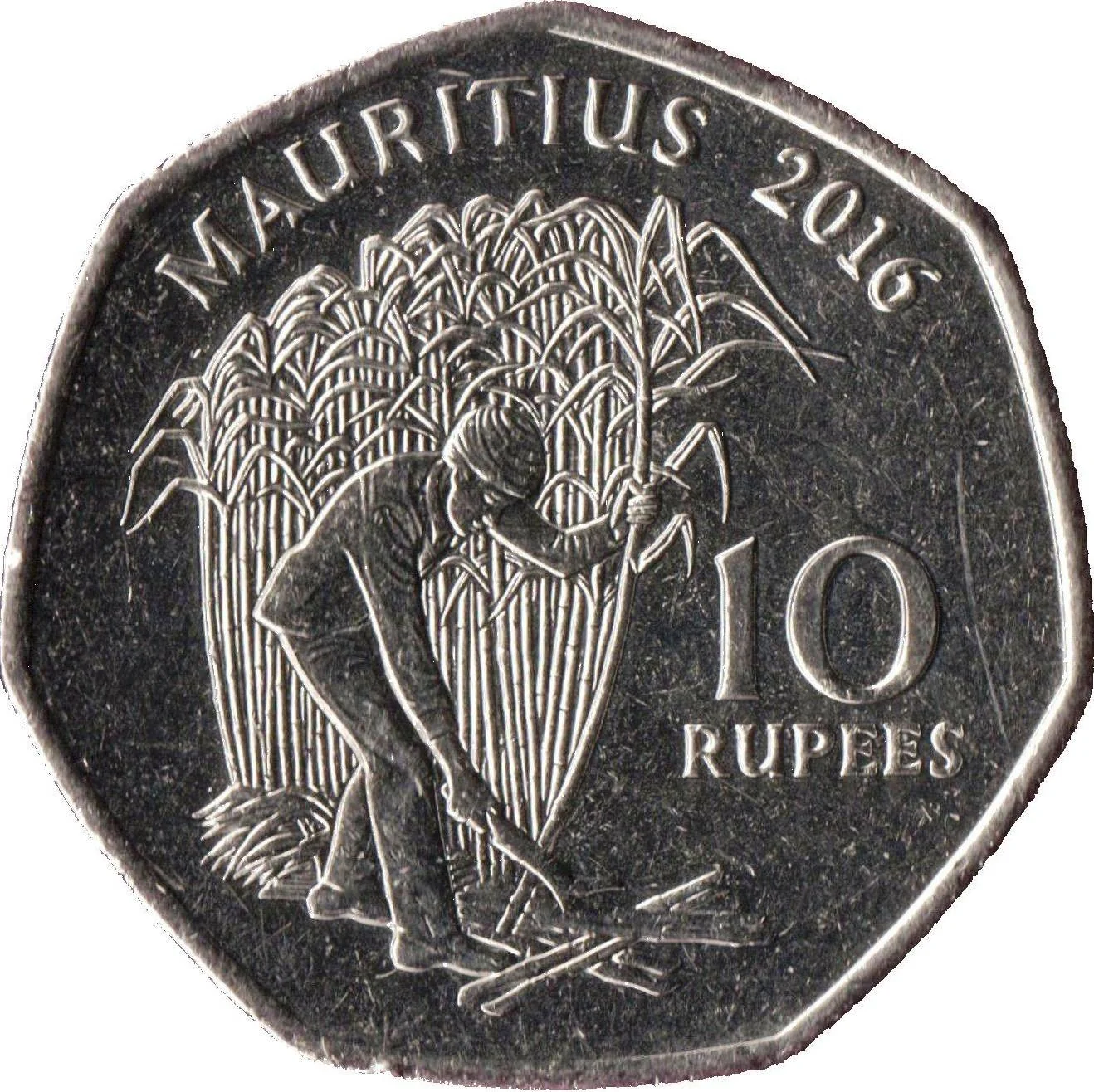
10 Rupees – Mauritius
Mauritius
Context

Material
Diameter: 28 mm
Weight: 8.5 g
Thickness: 2 mm
Shape: Heptagonal
Composition: Steel
Magnetic: Yes
Technique: Milled
Alignment: Medal alignment
flip
References
KM: #Click to copy to clipboard73
Numista: #98640
Value
Exchange value: 10 MUR
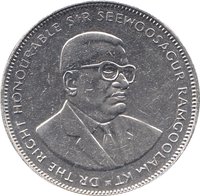
Obverse
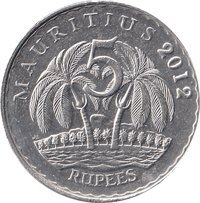
Reverse
Edge
Plain
Categories
| Agriculture |
| Person> Politician |
Mintings
| Year | Mint Mark | Mintage | Quality | Collection |
|---|---|---|---|---|
| 2016 | — | — | ||
| 2019 | — | — | ||
| 2023 | — | — |
Historical background
In 2016, Mauritius maintained a stable and managed floating exchange rate regime for the Mauritian Rupee (MUR), which was—and remains—pegged to an undisclosed basket of currencies. This basket was widely understood to be heavily weighted towards the Euro and US Dollar, with the Indian Rupee also a significant component. The primary objective of the Bank of Mauritius (BoM), the central bank, was to ensure exchange rate stability to support the island's import-dependent economy and key sectors like tourism and textiles, while also maintaining control over inflation. This period followed a strategic shift in 2013 where the BoM moved from targeting the Real Effective Exchange Rate (REER) to focusing more directly on inflation.
The year was characterized by moderate pressure on the rupee, which depreciated gradually against major currencies. Key drivers included a strong US Dollar globally and a widening current account deficit, partly due to weak performance in the sugar sector and elevated imports for major public infrastructure projects. However, this depreciation was orderly and managed by the central bank, which held substantial foreign reserves (covering over 6 months of imports) to intervene in the market and smooth out excessive volatility. The BoM's interventions aimed to prevent a sudden loss in the currency's value, which could have spurred inflation and eroded purchasing power.
Overall, the 2016 currency situation reflected a balancing act. The managed depreciation helped maintain export competitiveness for Mauritian goods and services, but authorities were cautious to prevent it from becoming destabilizing. Monetary policy remained focused on price stability, with the BoM's Key Repo Rate kept relatively steady. The year concluded with the rupee having experienced a controlled adjustment, a testament to the central bank's prudent management within its established policy framework, ensuring macroeconomic stability amidst external headwinds.
The year was characterized by moderate pressure on the rupee, which depreciated gradually against major currencies. Key drivers included a strong US Dollar globally and a widening current account deficit, partly due to weak performance in the sugar sector and elevated imports for major public infrastructure projects. However, this depreciation was orderly and managed by the central bank, which held substantial foreign reserves (covering over 6 months of imports) to intervene in the market and smooth out excessive volatility. The BoM's interventions aimed to prevent a sudden loss in the currency's value, which could have spurred inflation and eroded purchasing power.
Overall, the 2016 currency situation reflected a balancing act. The managed depreciation helped maintain export competitiveness for Mauritian goods and services, but authorities were cautious to prevent it from becoming destabilizing. Monetary policy remained focused on price stability, with the BoM's Key Repo Rate kept relatively steady. The year concluded with the rupee having experienced a controlled adjustment, a testament to the central bank's prudent management within its established policy framework, ensuring macroeconomic stability amidst external headwinds.
🌱 Common