

5 mils – Cyprus
Add to wishlist
Cyprus
Context
Years: 1955–1956
Issuer: Cyprus
Ruler: Elizabeth II
Currency:
(1955—1982)
Demonetized: Yes
Total mintage: 12,952,000
Material
References
KM: #
Numista: #986
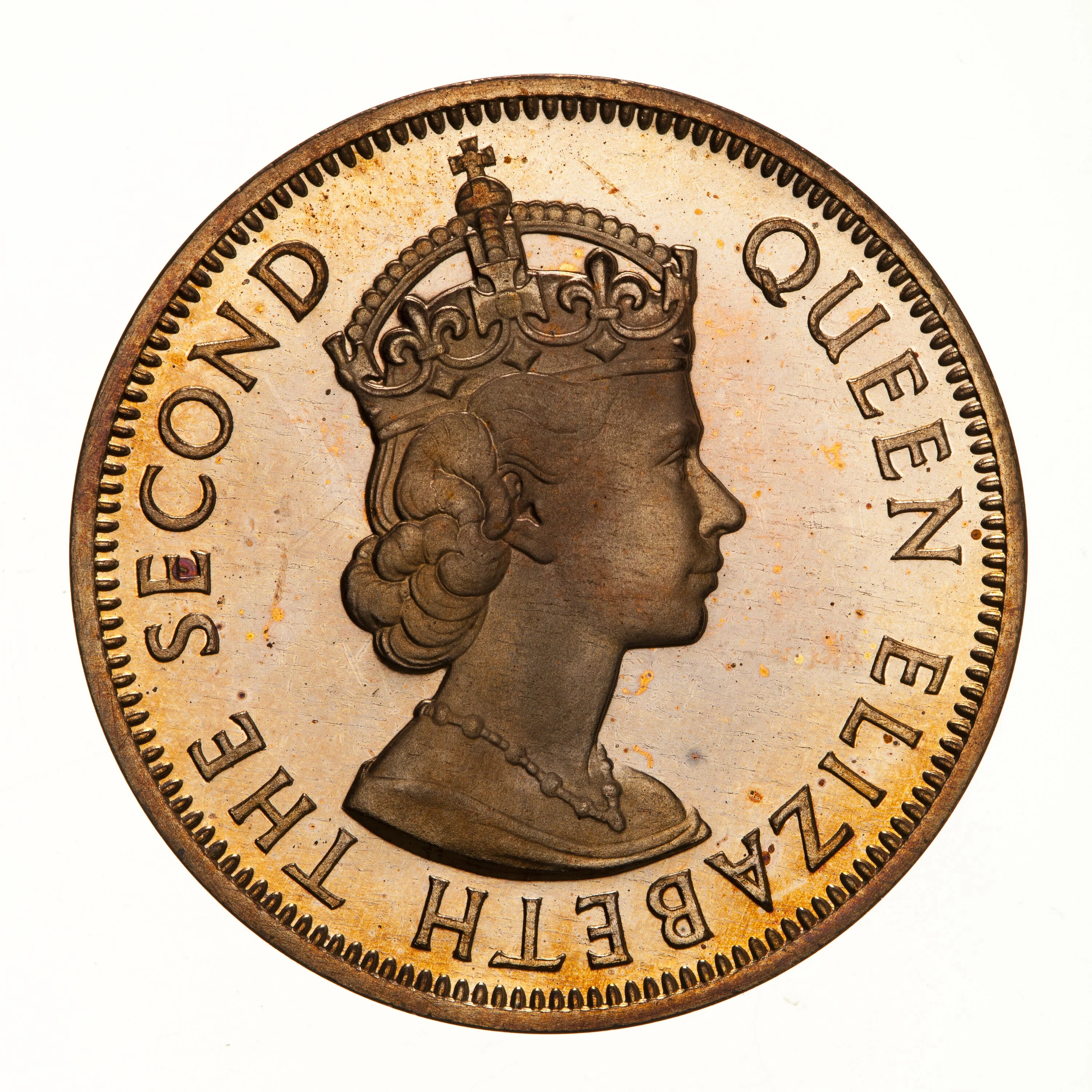
Obverse
Description:
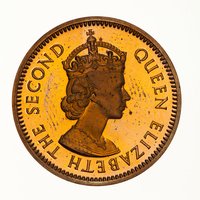
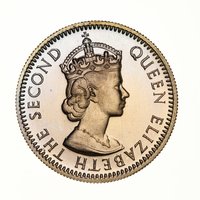
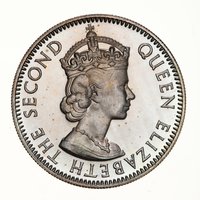
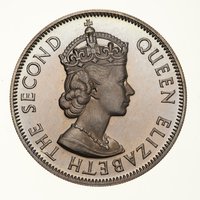
Crowned head facing right.
Inscription:
QUEEN ELIZABETH THE SECOND
CT
CT
Script: Latin
Engraver: Cecil Thomas
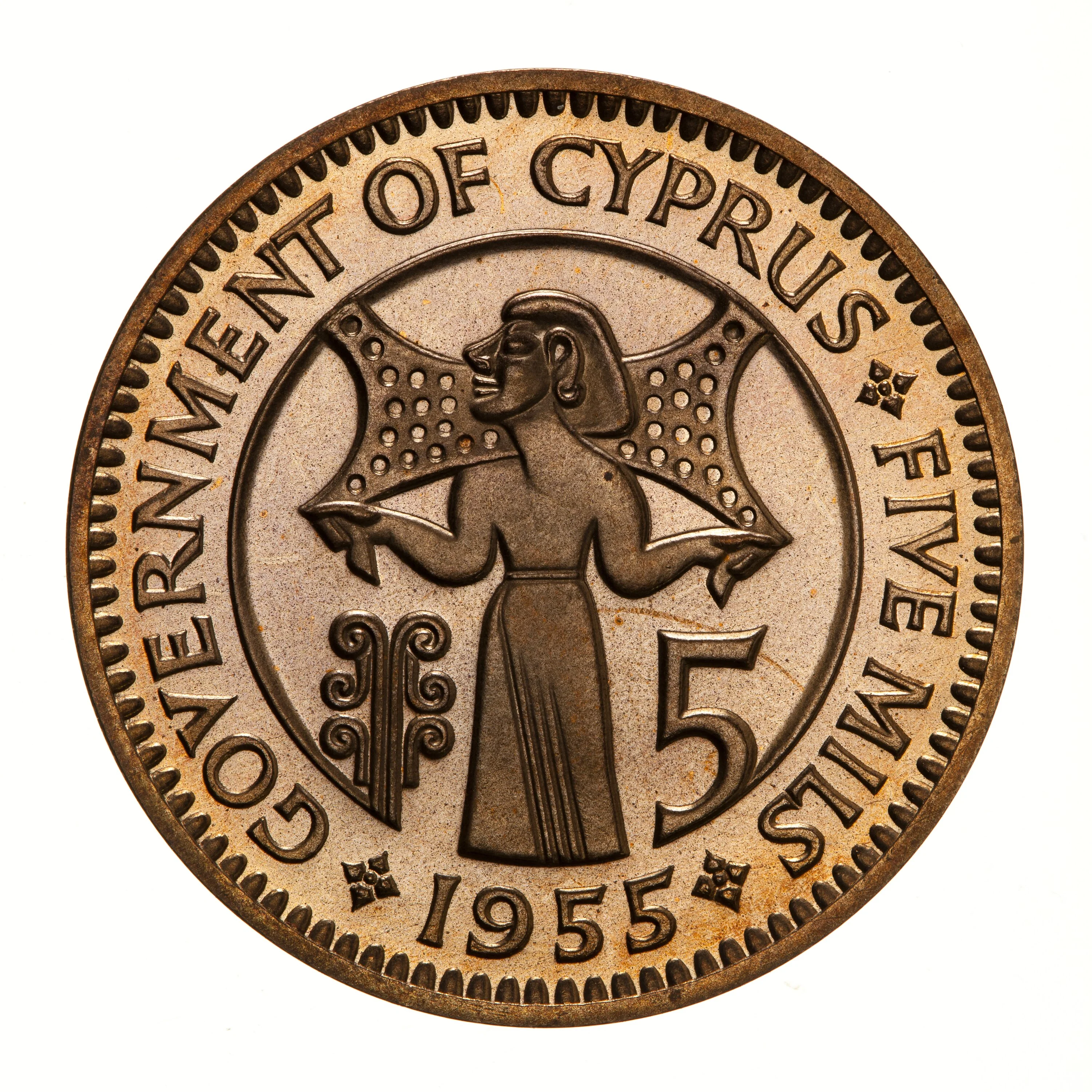
Reverse
Description:
Bronze Age figure holding copper bar, with date and denomination below.
Inscription:
GOVERNMENT OF CYPRUS · FIVE MILS
5
· 1956 ·
5
· 1956 ·
Script: Latin
Engraver: William Maving Gardner
Edge
Plain
Mints
| Name | Mark |
|---|---|
| Royal Mint (Tower Hill) | — |
Mintings
| Year | Mint Mark | Mintage | Quality | Collection |
|---|---|---|---|---|
| 1955 | — | 10,000,000 | ||
| 1955 | — | 2,000 | Proof | |
| 1956 | — | 2,950,000 | ||
| 1956 | — | — | Proof |
Historical background
In 1955, Cyprus operated under a colonial currency system as a British Crown Colony. The official currency was the Cypriot pound (C£), which was pegged at par to the British pound sterling (GBP). This arrangement meant that the island's monetary policy was effectively set in London, with the Cyprus Currency Board issuing local notes and coins that were fully backed by sterling reserves held in the United Kingdom. This system provided stability and facilitated trade with Britain, but it also meant Cyprus had no independent monetary tools to manage its own economy.
The currency's stability existed against a backdrop of escalating political turmoil. The year 1955 marked the beginning of the EOKA campaign for Enosis (union with Greece), leading to a state of emergency and significant civil unrest. While the currency peg itself was not a direct point of contention, the broader struggle for self-determination challenged all colonial institutions. Economically, the situation was strained by the costs of administering the crisis and the disruption to commerce, though the peg to sterling helped prevent a currency crisis.
Ultimately, the currency situation reflected the island's colonial status. It was a symbol of economic dependency, functioning reliably on a technical level but within a political framework that was becoming increasingly untenable. The fixed link to sterling would remain until 1972, several years after Cyprus gained independence in 1960, highlighting how monetary systems often endure beyond the political structures that created them.
The currency's stability existed against a backdrop of escalating political turmoil. The year 1955 marked the beginning of the EOKA campaign for Enosis (union with Greece), leading to a state of emergency and significant civil unrest. While the currency peg itself was not a direct point of contention, the broader struggle for self-determination challenged all colonial institutions. Economically, the situation was strained by the costs of administering the crisis and the disruption to commerce, though the peg to sterling helped prevent a currency crisis.
Ultimately, the currency situation reflected the island's colonial status. It was a symbol of economic dependency, functioning reliably on a technical level but within a political framework that was becoming increasingly untenable. The fixed link to sterling would remain until 1972, several years after Cyprus gained independence in 1960, highlighting how monetary systems often endure beyond the political structures that created them.
Series: 1955 Cyprus circulation coins
🌱 Very Common