

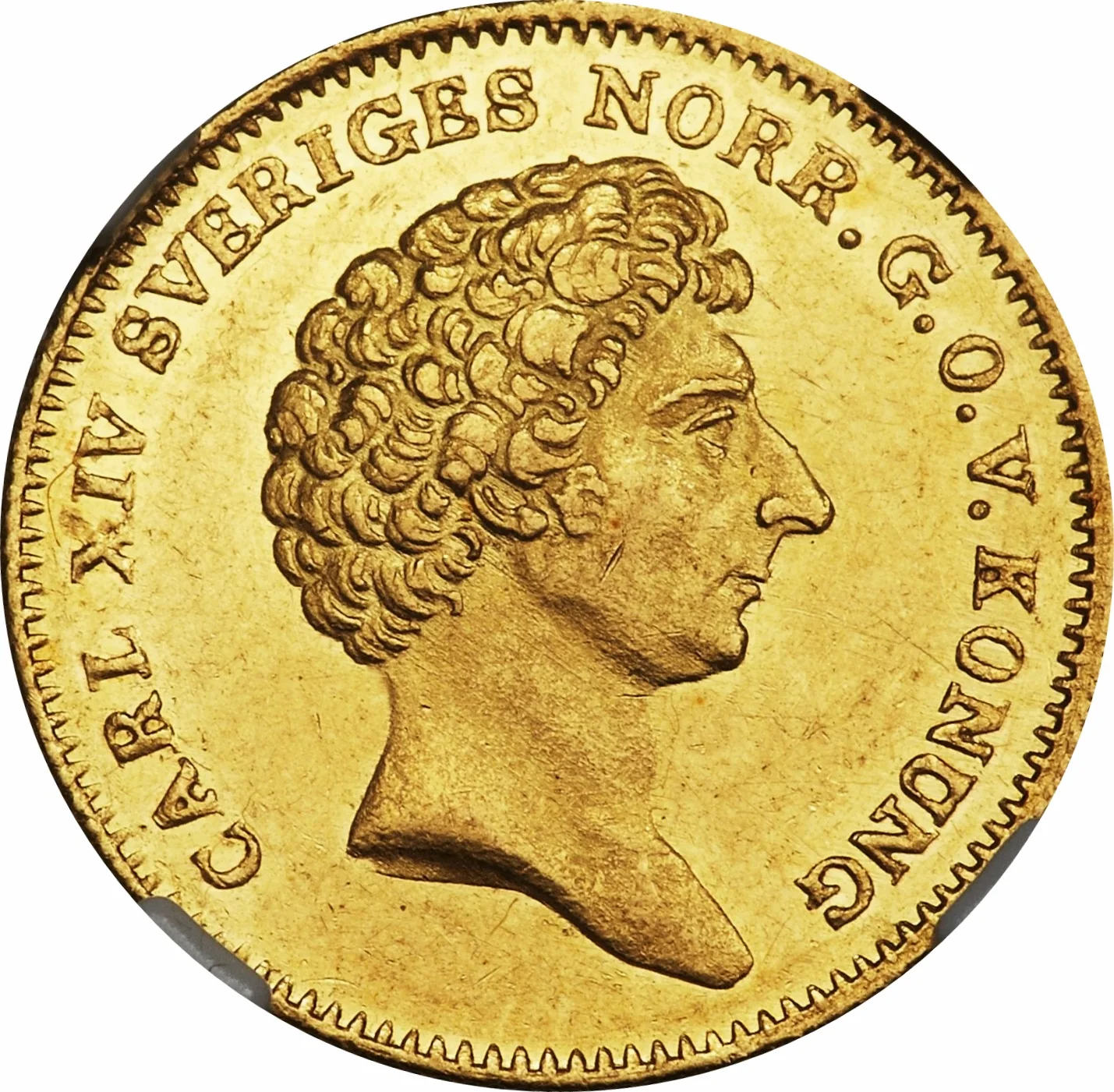
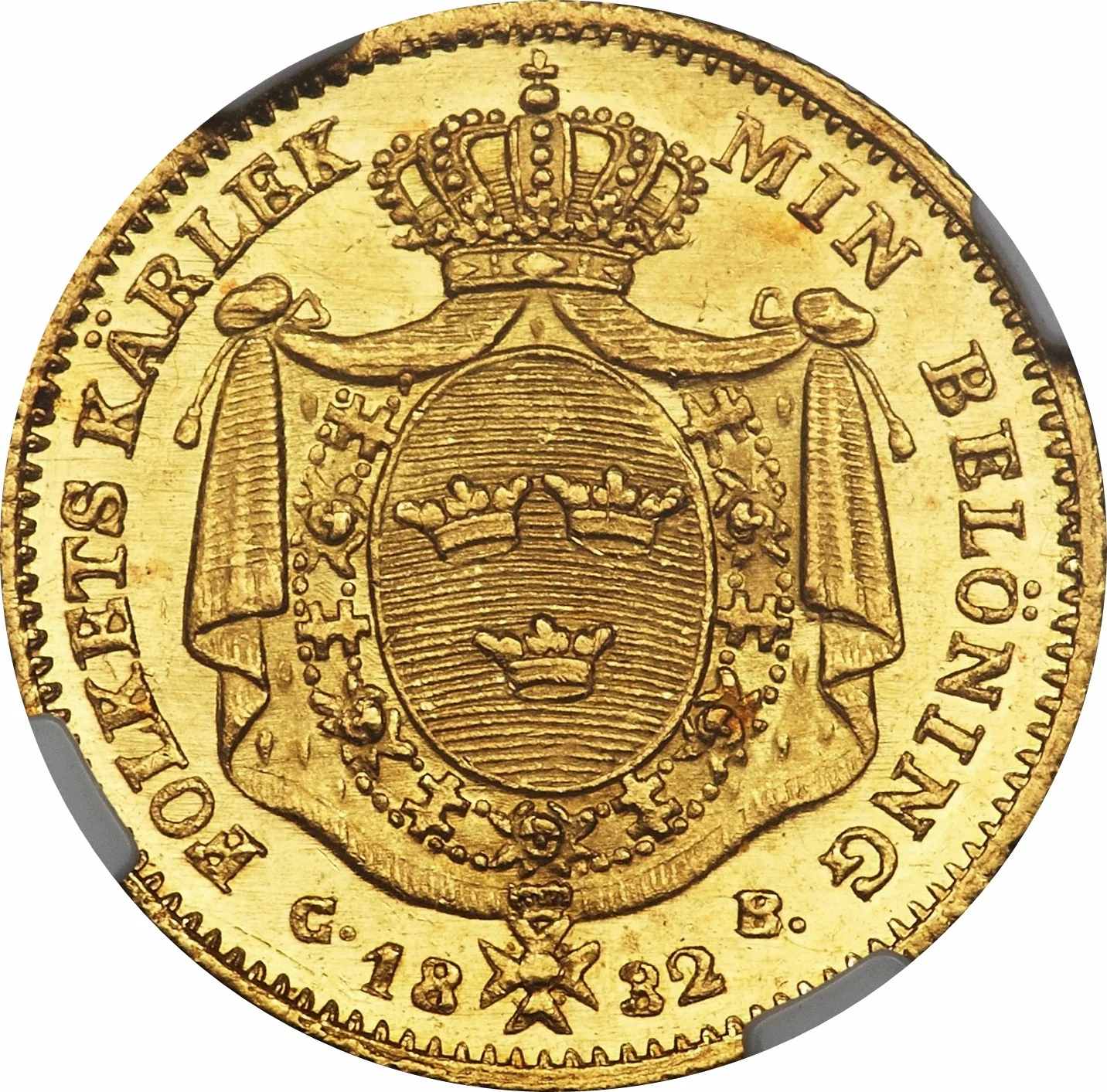
1 ducat – Sweden
Add to wishlist
Sweden
Context
Years: 1830–1834
Issuer: Sweden
Ruler: Charles XIV John
Currency:
(1830—1855)
Demonetized: Yes
Total mintage: 16,720
Material
References
KM: #
Numista: #98514
Value
Bullion value: $528.76
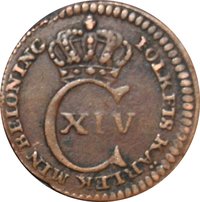
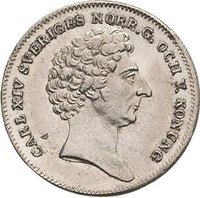
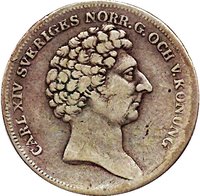
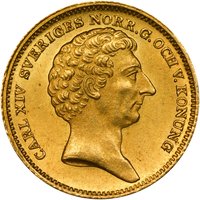
Obverse
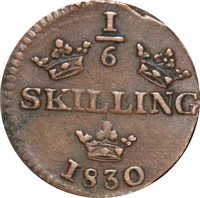
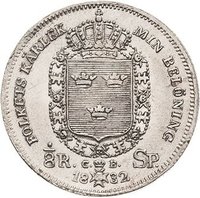
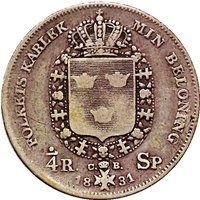
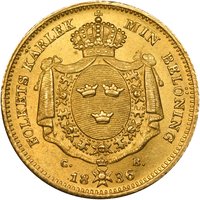
Reverse
Edge
Categories
| Symbols> Coat of Arms |
Mints
| Name | Mark |
|---|---|
| Stockholm | — |
Mintings
| Year | Mint Mark | Mintage | Quality | Collection |
|---|---|---|---|---|
| 1830 | CB | 5,269 | ||
| 1831 | CB | 3,917 | ||
| 1832 | CB | 2,082 | ||
| 1833 | CB | 2,310 | ||
| 1834 | CB | 3,142 |
Historical background
In 1830, Sweden was in the midst of a prolonged and complex monetary transition, operating under a de facto silver standard but grappling with a chaotic circulation of multiple coin types. The official monetary system, established in 1776, was the Riksdaler Riksmynt, theoretically defined by a fixed silver content. However, the reality was a fragmented mix: older, heavier Riksdaler Specie coins, the newer Riksmynt, and a substantial volume of depreciated paper money issued by the Riksens Ständers Bank (the precursor to the Riksbank). This paper money, known as Riksgäldssedlar, was not fully convertible to silver, leading to it trading at a discount against coin.
The root of the instability lay in the financing of the Napoleonic Wars and the loss of Finland in 1809, which had forced the state to rely heavily on printing paper money, causing significant inflation. By the 1820s, a period of deflationary pressure began as the bank attempted to restore parity between its notes and silver, a policy that created economic strain. Furthermore, foreign coins, particularly German and Dutch, circulated widely due to trade, adding to the confusion in everyday transactions. For merchants and the public, this meant constant calculations and uncertainty about the true value of the money in hand.
Consequently, the early 1830s represented a critical juncture of debate and impending reform. There was a strong political and economic push from liberal reformers and the business community to finally achieve monetary stability and formalize the silver standard. This pressure would culminate in the pivotal 1834 Currency Reform, which legally established the Riksdaler Riksmynt as the sole unit of account and committed to full convertibility of paper notes into silver, a goal realized later in the decade. Thus, the situation in 1830 was one of lingering disorder but on the cusp of decisive legislative action to create a unified and trustworthy currency system.
The root of the instability lay in the financing of the Napoleonic Wars and the loss of Finland in 1809, which had forced the state to rely heavily on printing paper money, causing significant inflation. By the 1820s, a period of deflationary pressure began as the bank attempted to restore parity between its notes and silver, a policy that created economic strain. Furthermore, foreign coins, particularly German and Dutch, circulated widely due to trade, adding to the confusion in everyday transactions. For merchants and the public, this meant constant calculations and uncertainty about the true value of the money in hand.
Consequently, the early 1830s represented a critical juncture of debate and impending reform. There was a strong political and economic push from liberal reformers and the business community to finally achieve monetary stability and formalize the silver standard. This pressure would culminate in the pivotal 1834 Currency Reform, which legally established the Riksdaler Riksmynt as the sole unit of account and committed to full convertibility of paper notes into silver, a goal realized later in the decade. Thus, the situation in 1830 was one of lingering disorder but on the cusp of decisive legislative action to create a unified and trustworthy currency system.
Series: 1830 Sweden circulation coins
✨ Legendary