

½ rupee – Seychelles
Add to wishlist
Seychelles
Context
Year: 1939
Issuer: Seychelles
Ruler: George VI
Currency:
(since 1914)
Demonetized: Yes
Total mintage: 36,000
Material
References
KM: #
Numista: #26174
Value
Exchange value: ½ SCR
Bullion value: $7.41
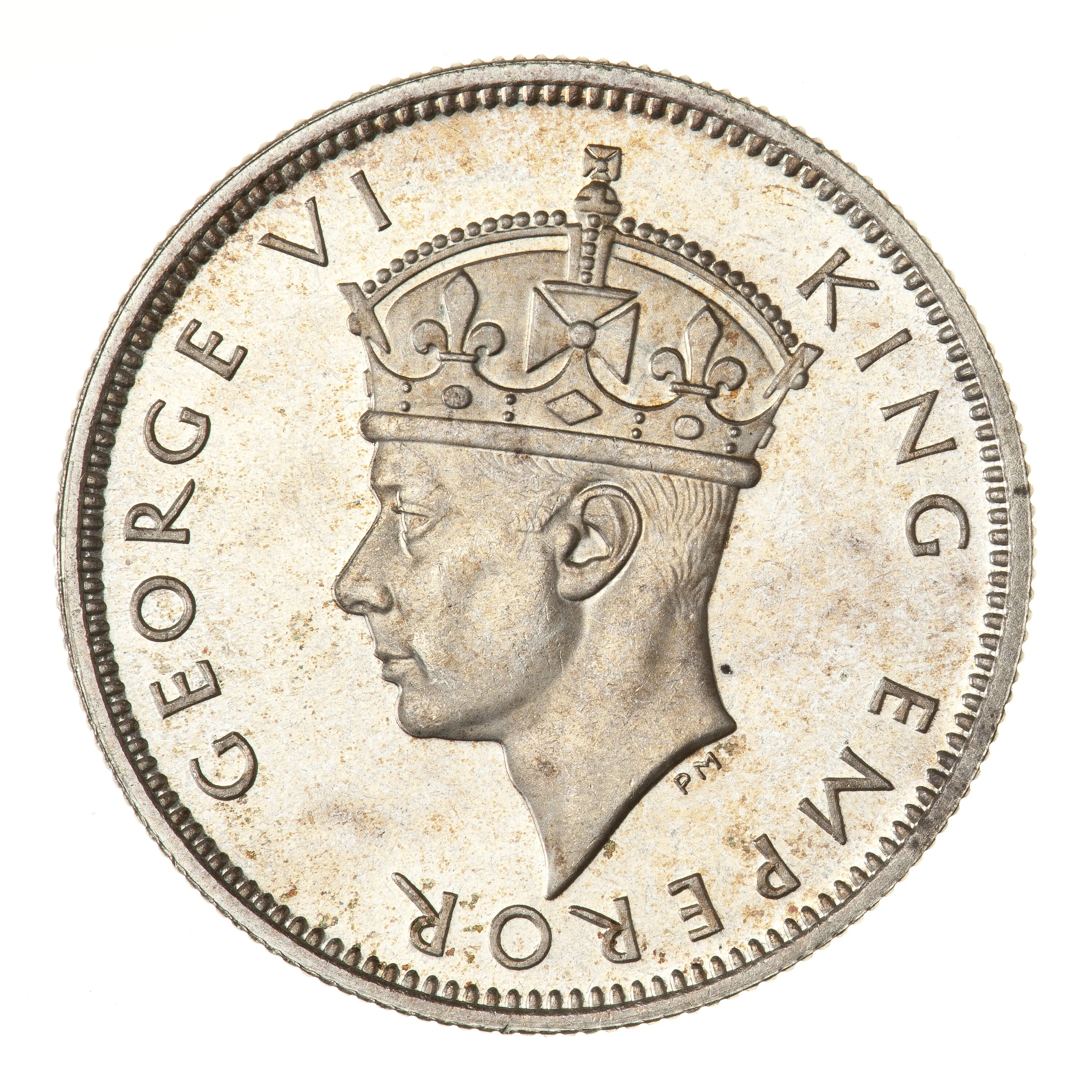
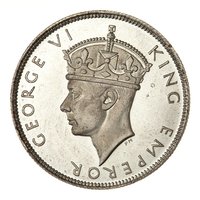
Obverse
Description:
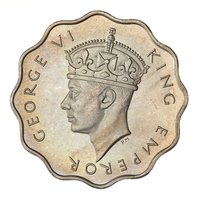
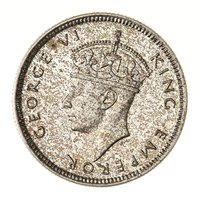
King George VI facing left.
Inscription:
GEORGE VI KING EMPEROR
PM
PM
Translation:
GEORGE VI KING EMPEROR
INDIA EMPEROR
INDIA EMPEROR
Script: Latin
Language: English
Engraver: Percy Metcalfe
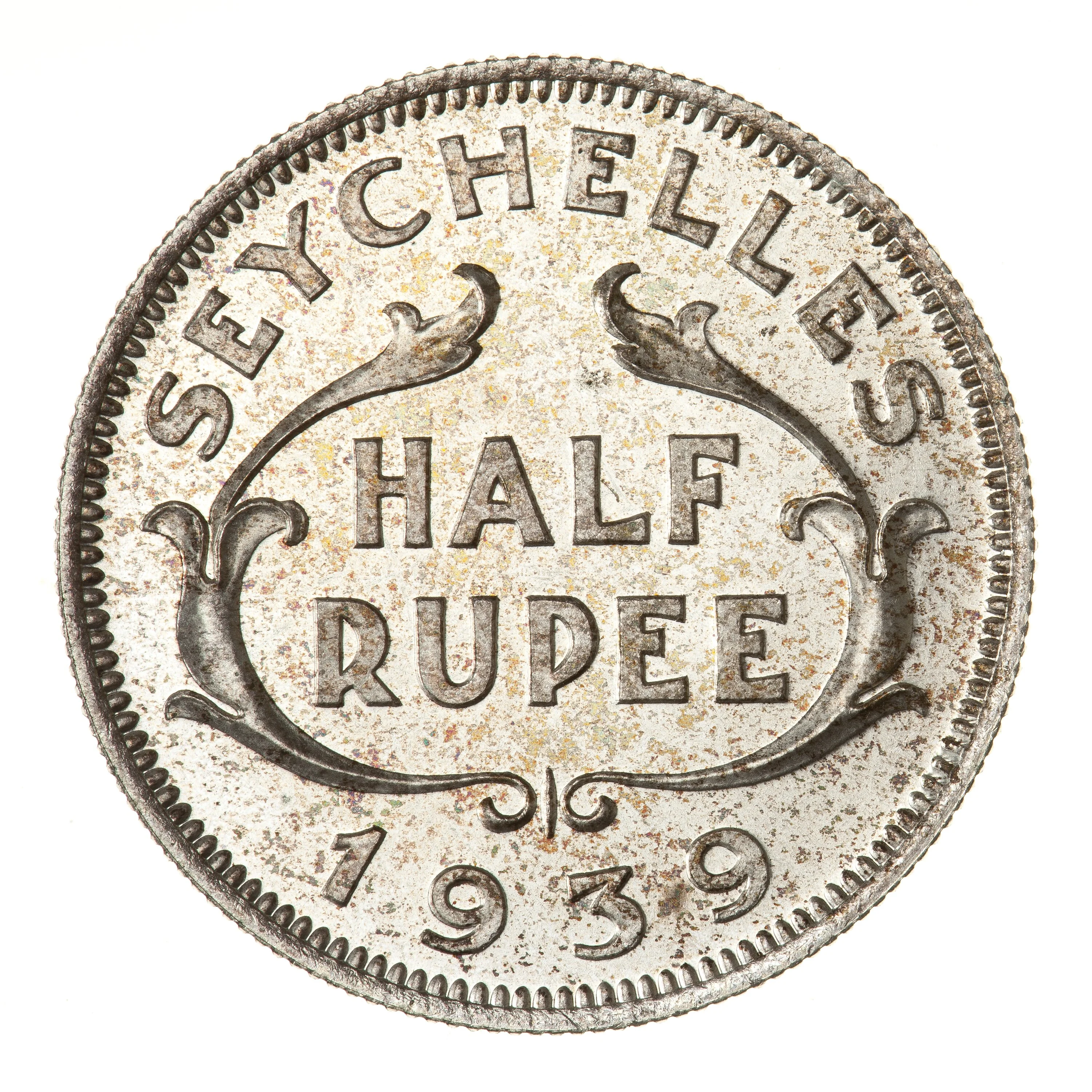
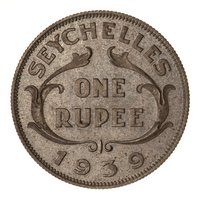
Reverse
Description:
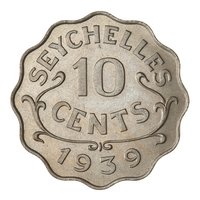
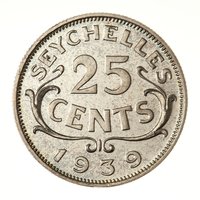
Sprig value above date
Inscription:
SEYCHELLES
HALF RUPEE
1939
HALF RUPEE
1939
Script: Latin
Engraver: George Kruger Gray
Edge
Milled
Mints
| Name | Mark |
|---|---|
| Royal Mint (Tower Hill) | — |
Mintings
| Year | Mint Mark | Mintage | Quality | Collection |
|---|---|---|---|---|
| 1939 | — | 36,000 | ||
| 1939 | — | — | Proof |
Historical background
In 1939, the currency situation in Seychelles was a direct legacy of British colonial administration. The official currency was the Mauritian rupee, which had been introduced in 1914, replacing the earlier Indian rupee. This meant Seychelles did not issue its own sovereign currency but operated within the monetary system of Mauritius, another British colony in the Indian Ocean. Transactions were conducted in rupees and cents, with banknotes and coins supplied by the authorities in Mauritius, firmly embedding Seychelles in a regional colonial economic network.
The outbreak of World War II in September 1939 had an immediate, though not transformative, impact on this system. As part of the British Empire, Seychelles was subject to wartime economic controls and regulations emanating from London. The primary concern was financial stability and preventing capital flight, leading to the likely imposition of exchange controls. These would have restricted the convertibility of the Mauritian rupee and tied the colony's finances even more closely to Sterling Area policies, ensuring resources were directed toward the British war effort.
Overall, the currency landscape in 1939 was characterized by dependency and wartime adjustment. The use of the Mauritian rupee underscored Seychelles' lack of monetary independence, while the new wartime controls further centralized financial authority. There was no dramatic change in the physical currency in circulation that year, but the global conflict began to strain the isolated plantation economy, setting the stage for the more significant monetary changes that would come in the post-war period, including the introduction of the Seychelles rupee in 1914.
The outbreak of World War II in September 1939 had an immediate, though not transformative, impact on this system. As part of the British Empire, Seychelles was subject to wartime economic controls and regulations emanating from London. The primary concern was financial stability and preventing capital flight, leading to the likely imposition of exchange controls. These would have restricted the convertibility of the Mauritian rupee and tied the colony's finances even more closely to Sterling Area policies, ensuring resources were directed toward the British war effort.
Overall, the currency landscape in 1939 was characterized by dependency and wartime adjustment. The use of the Mauritian rupee underscored Seychelles' lack of monetary independence, while the new wartime controls further centralized financial authority. There was no dramatic change in the physical currency in circulation that year, but the global conflict began to strain the isolated plantation economy, setting the stage for the more significant monetary changes that would come in the post-war period, including the introduction of the Seychelles rupee in 1914.
🌟 Limited