

50 Pence – United Kingdom
United Kingdom
Context

Material
Diameter: 27.3 mm
Weight: 15.5 g
Gold weight: 14.21 g
Shape: Equilateral curve heptagon
Composition: 91.67% Gold
Standard: Silver half ounce
Magnetic: No
Technique: Milled
Alignment: Medal alignment
flip
References
KM: #Click to copy to clipboard1150b
Numista: #258691
Value
Exchange value: 0.50 GBP = $0.68
Bullion value: $2373.84
Inflation-adjusted value: 0.85 GBP
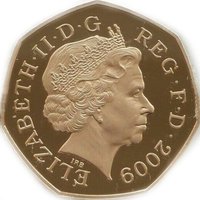
Obverse
Description:
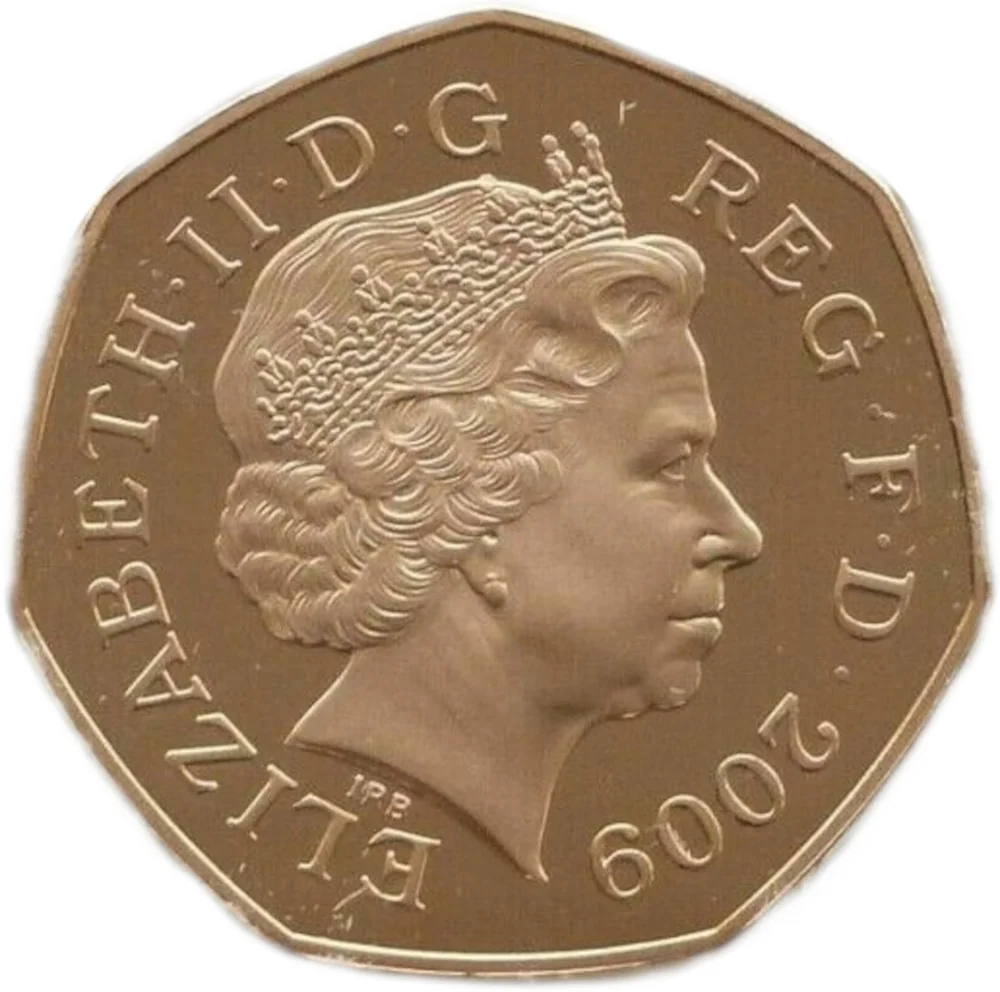
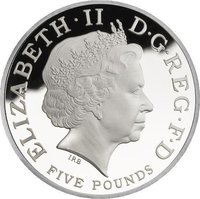
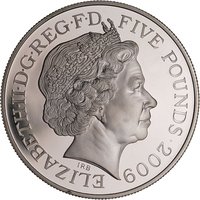
Queen Elizabeth IV facing right, wearing the Girls of Great Britain and Ireland tiara.
Inscription:
ELIZABETH·II·D·G REG·F·D·2009
IRB
IRB
Translation:
Elizabeth the Second, by the Grace of God, Queen, Defender of the Faith, 2009
IRB
IRB
Script: Latin
Engraver: Ian Rank-Broadley
Reverse
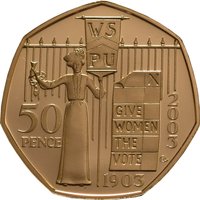
Description:
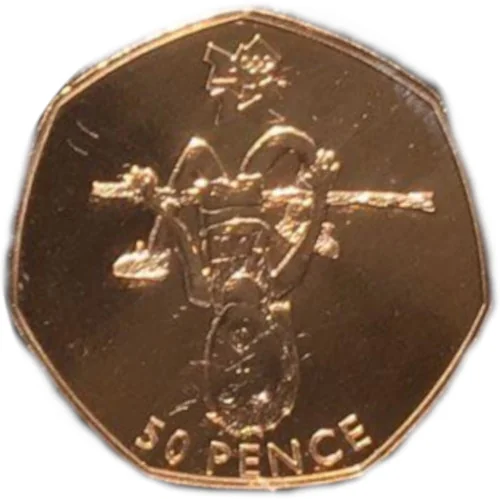
Child's drawing of a pole vaulter, with the London 2012 logo above and the denomination below.
Inscription:
london 2012
50 PENCE
50 PENCE
Script: Latin
Engraver: Florence Jackson
Edge
Plain
Mints
| Name | Mark |
|---|---|
| Royal Mint | — |
Mintings
| Year | Mint Mark | Mintage | Quality | Collection |
|---|---|---|---|---|
| 2009 | — | 1 | Proof |
Historical background
In 2009, the United Kingdom was grappling with the severe aftermath of the Global Financial Crisis, which had precipitated the deepest recession since World War II. The Bank of England (BoE) had already slashed its base interest rate to a then-historic low of 0.5% by March in an attempt to stimulate the economy. With conventional monetary policy exhausted, the BoE embarked on a radical new policy: Quantitative Easing (QE). This involved creating new central bank money to purchase £200 billion in assets, primarily UK government bonds (gilts), aiming to lower long-term borrowing costs, increase the money supply, and ward off the threat of deflation.
The value of the pound sterling (GBP) was heavily influenced by these extraordinary measures and the grim economic outlook. Sterling had experienced a sharp depreciation in 2008, and in early 2009 it fell to a 24-year low against a basket of currencies and neared parity with the euro. This weakness was largely driven by the scale of the UK's banking crisis, the depth of its recession, and the novel, untested nature of QE, which investors feared could lead to future inflation or currency debasement. The weak pound provided a modest boost to exporters but also increased the cost of imports, adding to economic strain.
Overall, the currency situation reflected a fraught balancing act. The authorities were prioritising economic survival and preventing a deflationary spiral over currency strength. While QE and low rates placed downward pressure on sterling, they were deemed essential to stabilise the financial system and provide monetary stimulus. By the end of 2009, the worst of the crisis had passed and the economy had returned to fragile growth, allowing sterling to recover some ground, but the long-term consequences of the unprecedented monetary intervention on the currency and economy remained a significant uncertainty.
The value of the pound sterling (GBP) was heavily influenced by these extraordinary measures and the grim economic outlook. Sterling had experienced a sharp depreciation in 2008, and in early 2009 it fell to a 24-year low against a basket of currencies and neared parity with the euro. This weakness was largely driven by the scale of the UK's banking crisis, the depth of its recession, and the novel, untested nature of QE, which investors feared could lead to future inflation or currency debasement. The weak pound provided a modest boost to exporters but also increased the cost of imports, adding to economic strain.
Overall, the currency situation reflected a fraught balancing act. The authorities were prioritising economic survival and preventing a deflationary spiral over currency strength. While QE and low rates placed downward pressure on sterling, they were deemed essential to stabilise the financial system and provide monetary stimulus. By the end of 2009, the worst of the crisis had passed and the economy had returned to fragile growth, allowing sterling to recover some ground, but the long-term consequences of the unprecedented monetary intervention on the currency and economy remained a significant uncertainty.
Series: 2012 Summer Olympics, London


✨ Legendary