

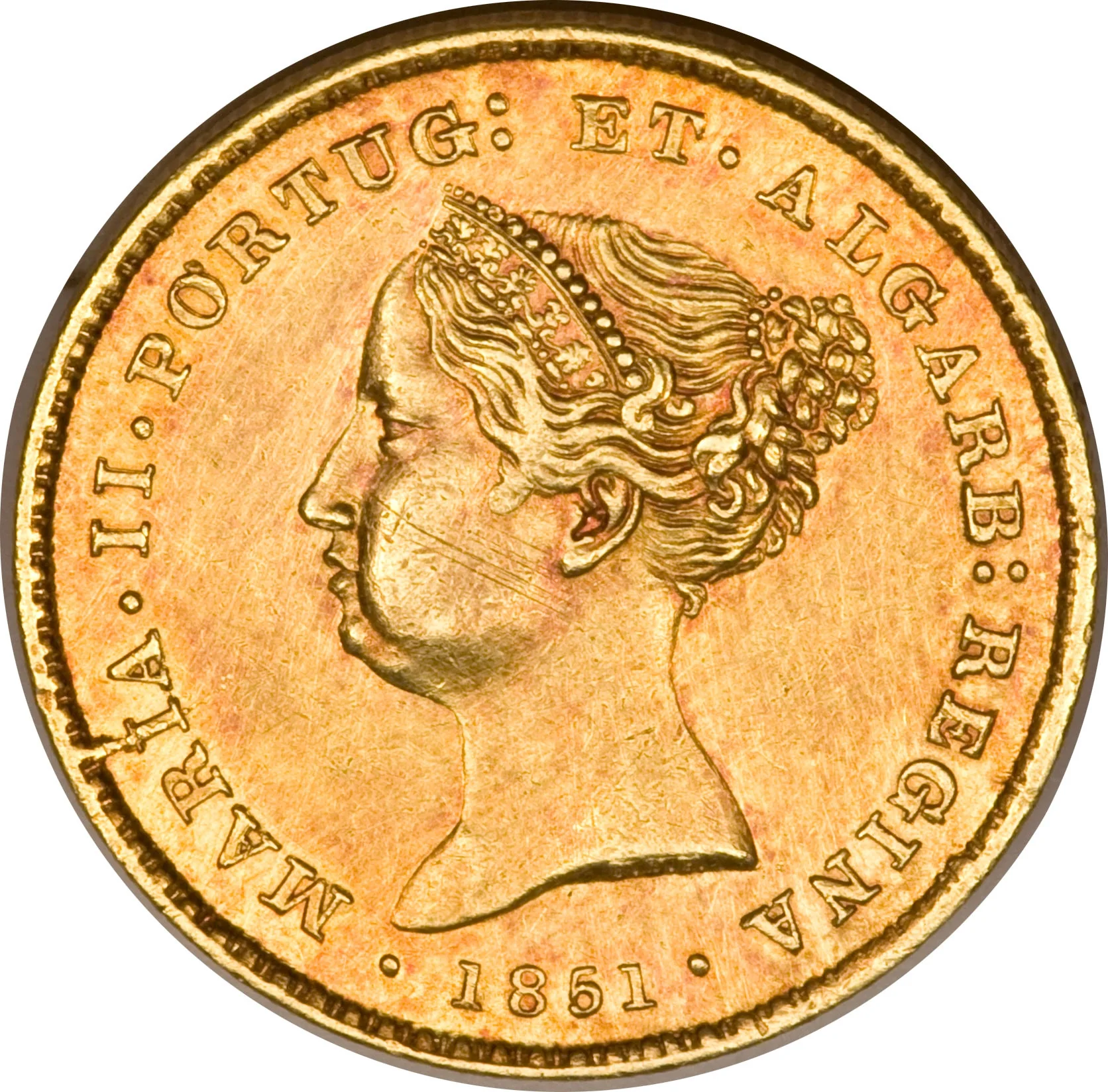
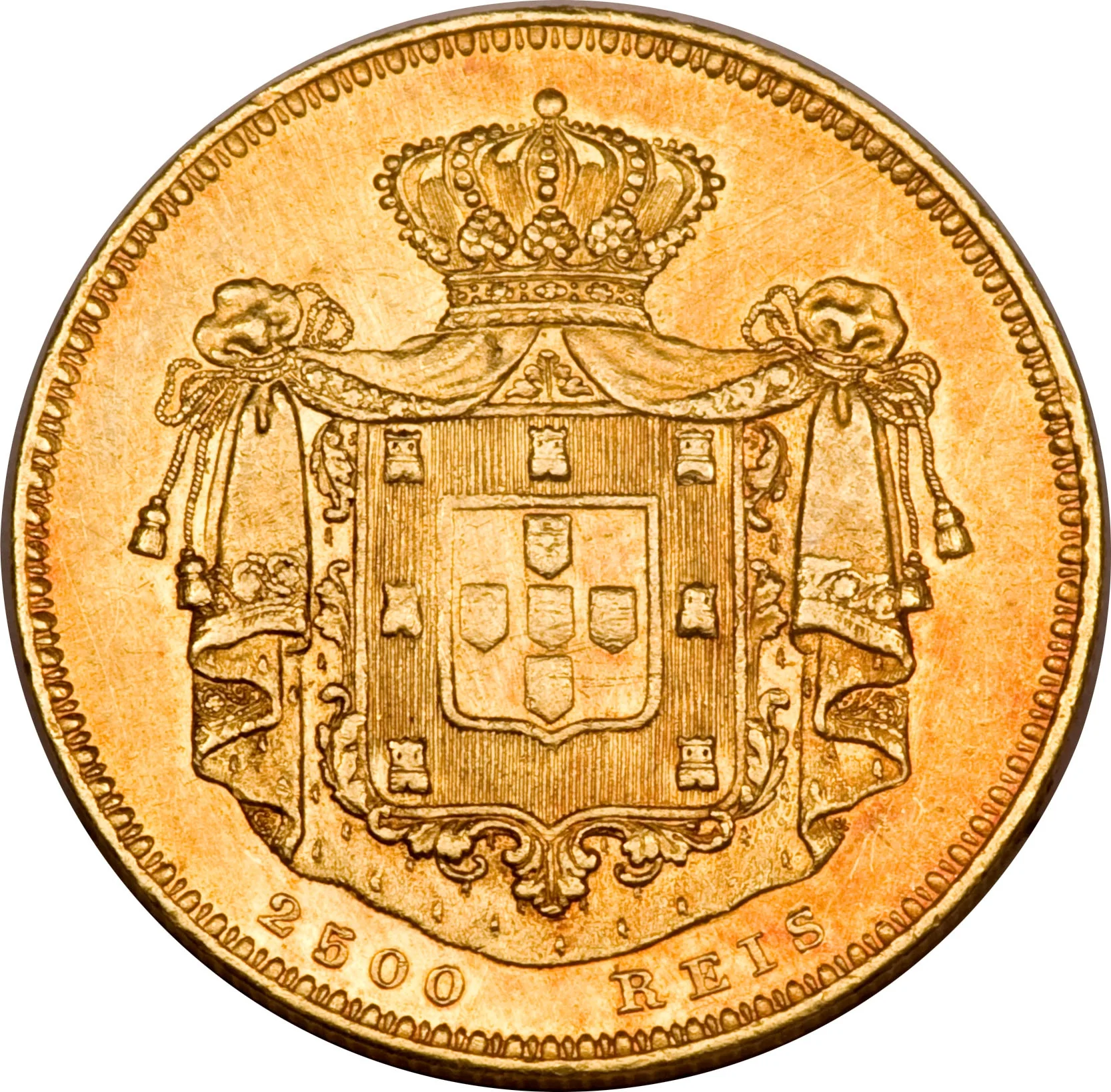

Mints
| Name | Mark |
|---|---|
| Imprensa Nacional - Casa da Moeda | — |
Mintings
| Year | Mint Mark | Mintage | Quality | Collection |
|---|---|---|---|---|
| 1851 | — | 58,000 |
Historical background
In 1851, Portugal's currency situation was characterized by profound instability and fragmentation, a legacy of the Liberal Wars and decades of economic turmoil. The nation operated on a bimetallic standard in theory, but in practice, it suffered from a severe shortage of precious metal coinage. This led to a chaotic circulation of a multitude of foreign coins (particularly Spanish, British, and Brazilian), outdated Portuguese coins, and a heavy reliance on paper money issued by private banks. The state's finances were crippled by debt, and the paper currency, often issued without sufficient metallic backing, was deeply discounted, causing significant inflation and hampering both domestic commerce and international trade.
This monetary disarray was a central concern for the new government of Fontes Pereira de Melo, who came to power in 1851, marking the beginning of the Regeneração (Regeneration) period. Recognizing that economic modernization and infrastructure development were impossible without a stable currency, the government made monetary reform a top priority. The immediate goal was to restore public confidence by consolidating and guaranteeing the paper currency and to move decisively toward a unified, reliable monetary system that could facilitate investment and growth.
Consequently, the landmark Decree of 1854 was prepared, which would introduce the Portuguese real as the new national currency, defined by a clear gold standard. This reform, implemented shortly after the 1851 backdrop, aimed to retire the chaotic mix of existing media, establish a single state-backed currency, and peg its value to gold. Therefore, the currency situation in 1851 represents the critical turning point—the moment of recognized crisis that set the stage for the comprehensive and stabilizing reforms that would define Portugal's financial landscape for the subsequent decades.
This monetary disarray was a central concern for the new government of Fontes Pereira de Melo, who came to power in 1851, marking the beginning of the Regeneração (Regeneration) period. Recognizing that economic modernization and infrastructure development were impossible without a stable currency, the government made monetary reform a top priority. The immediate goal was to restore public confidence by consolidating and guaranteeing the paper currency and to move decisively toward a unified, reliable monetary system that could facilitate investment and growth.
Consequently, the landmark Decree of 1854 was prepared, which would introduce the Portuguese real as the new national currency, defined by a clear gold standard. This reform, implemented shortly after the 1851 backdrop, aimed to retire the chaotic mix of existing media, establish a single state-backed currency, and peg its value to gold. Therefore, the currency situation in 1851 represents the critical turning point—the moment of recognized crisis that set the stage for the comprehensive and stabilizing reforms that would define Portugal's financial landscape for the subsequent decades.
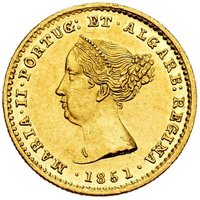
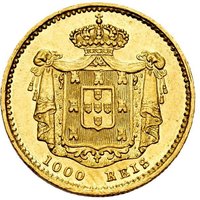
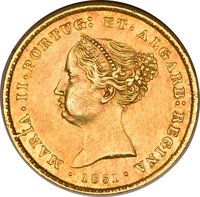
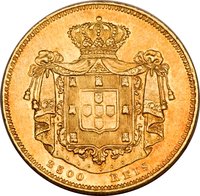
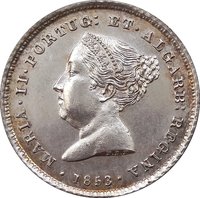
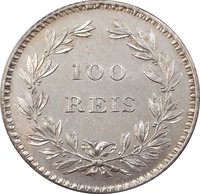
💎 Extremely Rare