

1 Real – Honduras
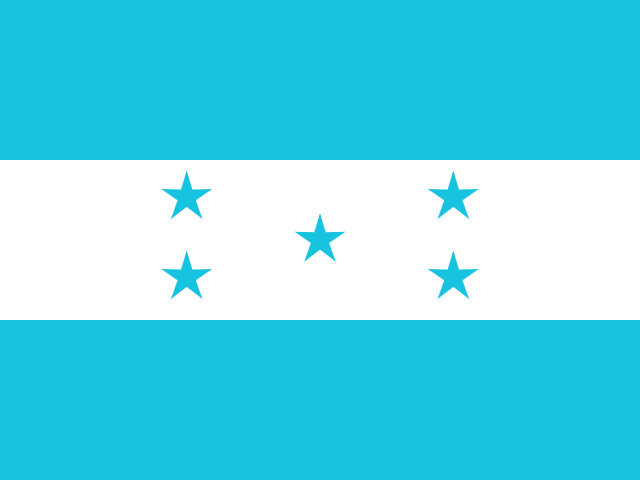
Honduras
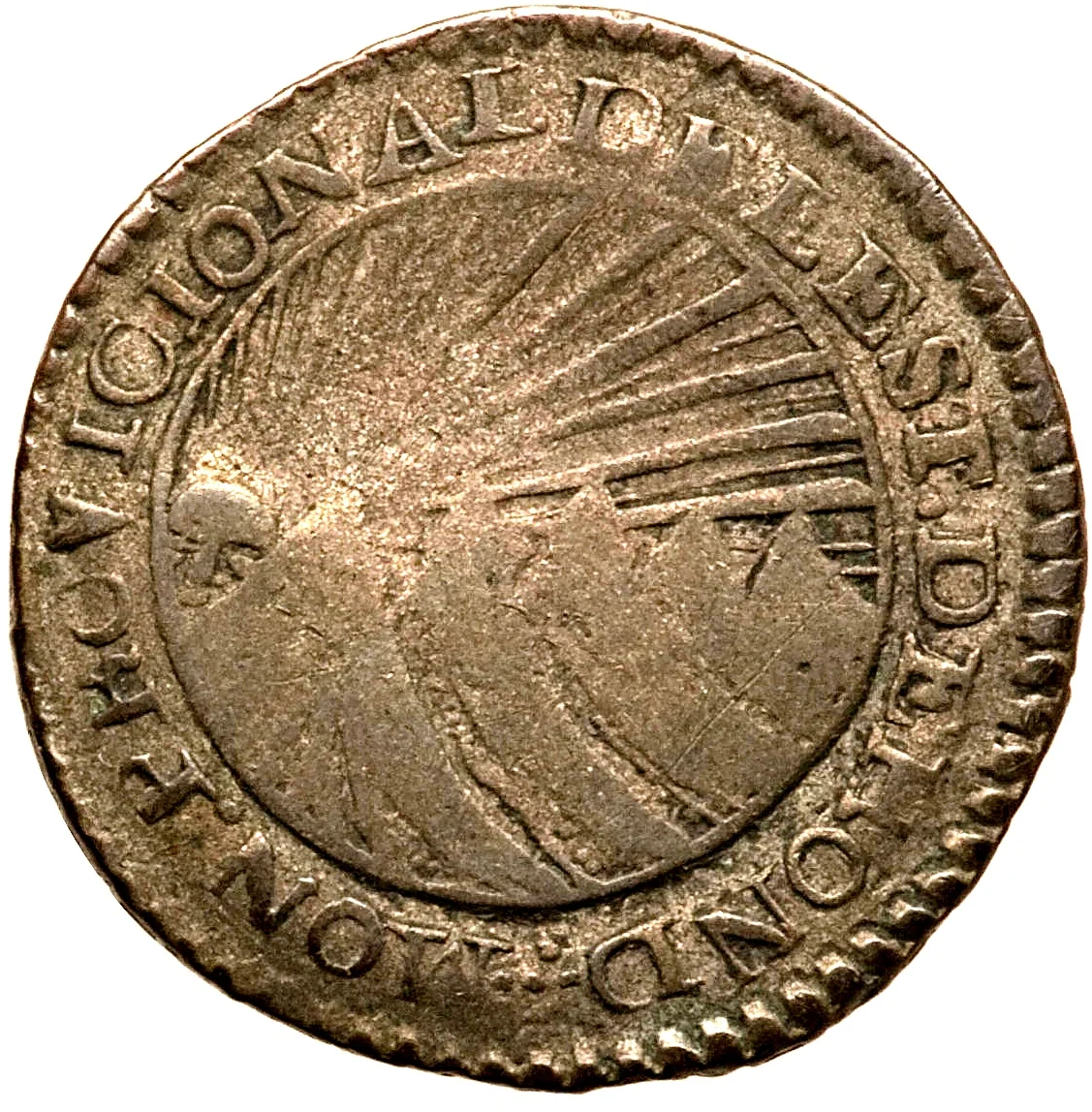
Obverse
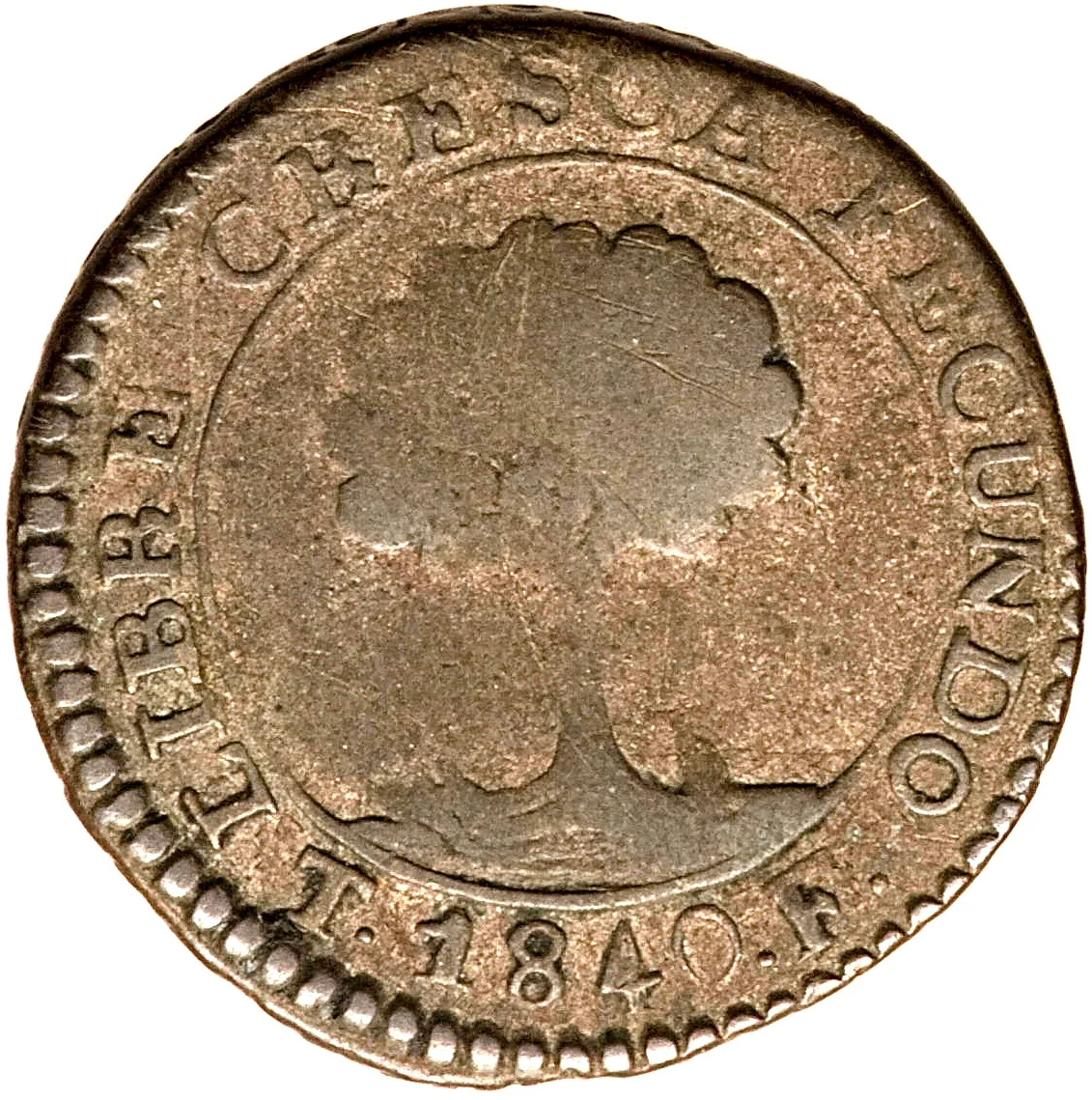
Reverse
Edge
Mints
| Name | Mark |
|---|---|
| Casa Nacional de la Moneda | T |
Historical background
In 1840, Honduras, like its Central American neighbors, was grappling with the economic and monetary aftermath of the dissolution of the Federal Republic of Central America in 1838-39. The collapse of the federation left the newly independent state without a unified currency system, leading to a period of significant monetary disorder. The primary circulating medium was a chaotic mix of foreign coins, most notably the Spanish colonial real and the Mexican silver peso, alongside a limited supply of coins from other former Spanish colonies and even some European issues. This patchwork system created challenges for commerce and state finances, as the value and purity of coins varied widely.
The Honduran government, under the leadership of General Francisco Ferrera (who became the first constitutional president in 1841), faced the urgent task of establishing monetary sovereignty as a symbol and tool of national authority. However, the state's fragile finances and lack of a minting facility prevented the immediate issuance of a formal national coinage. Economic activity was largely based on the silver peso, often cut into fractional pieces (literally "pieces of eight") for smaller transactions, and the accounting system still relied on the old Spanish colonial unit of reales (8 reales = 1 peso).
Consequently, the currency situation in 1840 was defined by a transitional and ad-hoc reliance on imported specie. The lack of a standardized national currency reflected the broader struggles of early nation-building, hindering efficient tax collection and economic planning. This monetary fragmentation would persist for several more years until the government, still without a mint, arranged for the first provisional national coins to be struck abroad, a process that began in the mid-1840s. Thus, the year 1840 represents a point of monetary limbo, caught between the collapsed federation's legacy and the yet-unrealized project of a national Honduran currency.
The Honduran government, under the leadership of General Francisco Ferrera (who became the first constitutional president in 1841), faced the urgent task of establishing monetary sovereignty as a symbol and tool of national authority. However, the state's fragile finances and lack of a minting facility prevented the immediate issuance of a formal national coinage. Economic activity was largely based on the silver peso, often cut into fractional pieces (literally "pieces of eight") for smaller transactions, and the accounting system still relied on the old Spanish colonial unit of reales (8 reales = 1 peso).
Consequently, the currency situation in 1840 was defined by a transitional and ad-hoc reliance on imported specie. The lack of a standardized national currency reflected the broader struggles of early nation-building, hindering efficient tax collection and economic planning. This monetary fragmentation would persist for several more years until the government, still without a mint, arranged for the first provisional national coins to be struck abroad, a process that began in the mid-1840s. Thus, the year 1840 represents a point of monetary limbo, caught between the collapsed federation's legacy and the yet-unrealized project of a national Honduran currency.
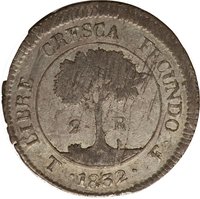
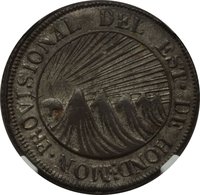
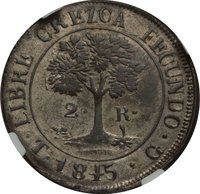
✨ Legendary