

⅓ farthing – Malta
Add to wishlist
Malta
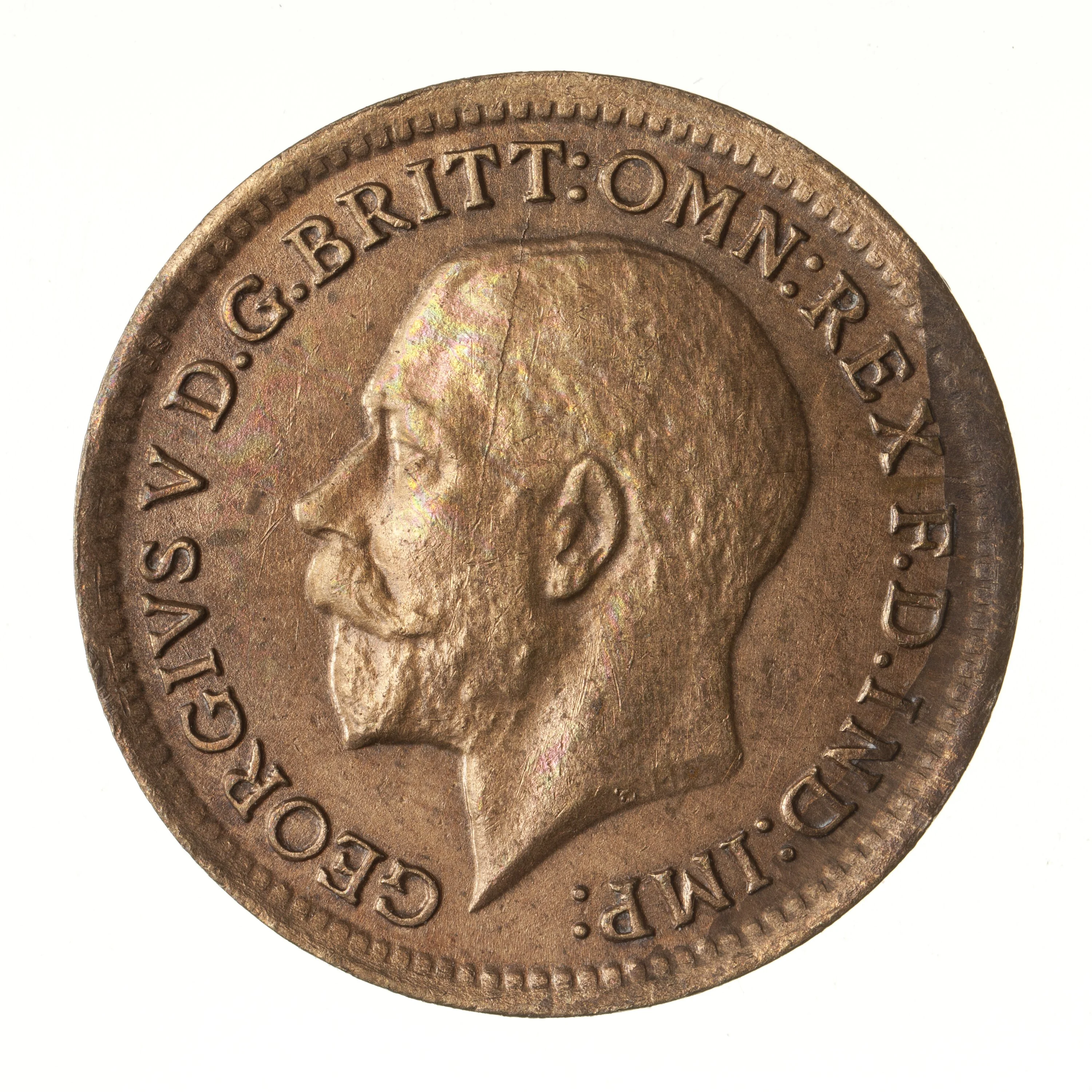
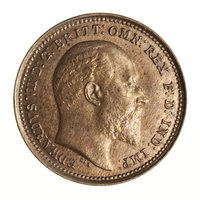
Obverse
Description:
King George V left-facing portrait, legend encircling.
Inscription:
GEORGIVS V D.G.BRITT:OMN:REX F.D.IND:IMP:
Translation:
George V, by the Grace of God, King of all the Britains, Defender of the Faith, Emperor of India.
Script: Latin
Language: Latin
Engraver: Edgar Bertram MacKennal
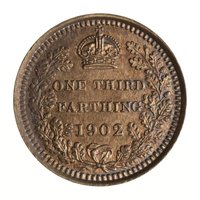
Reverse
Description:
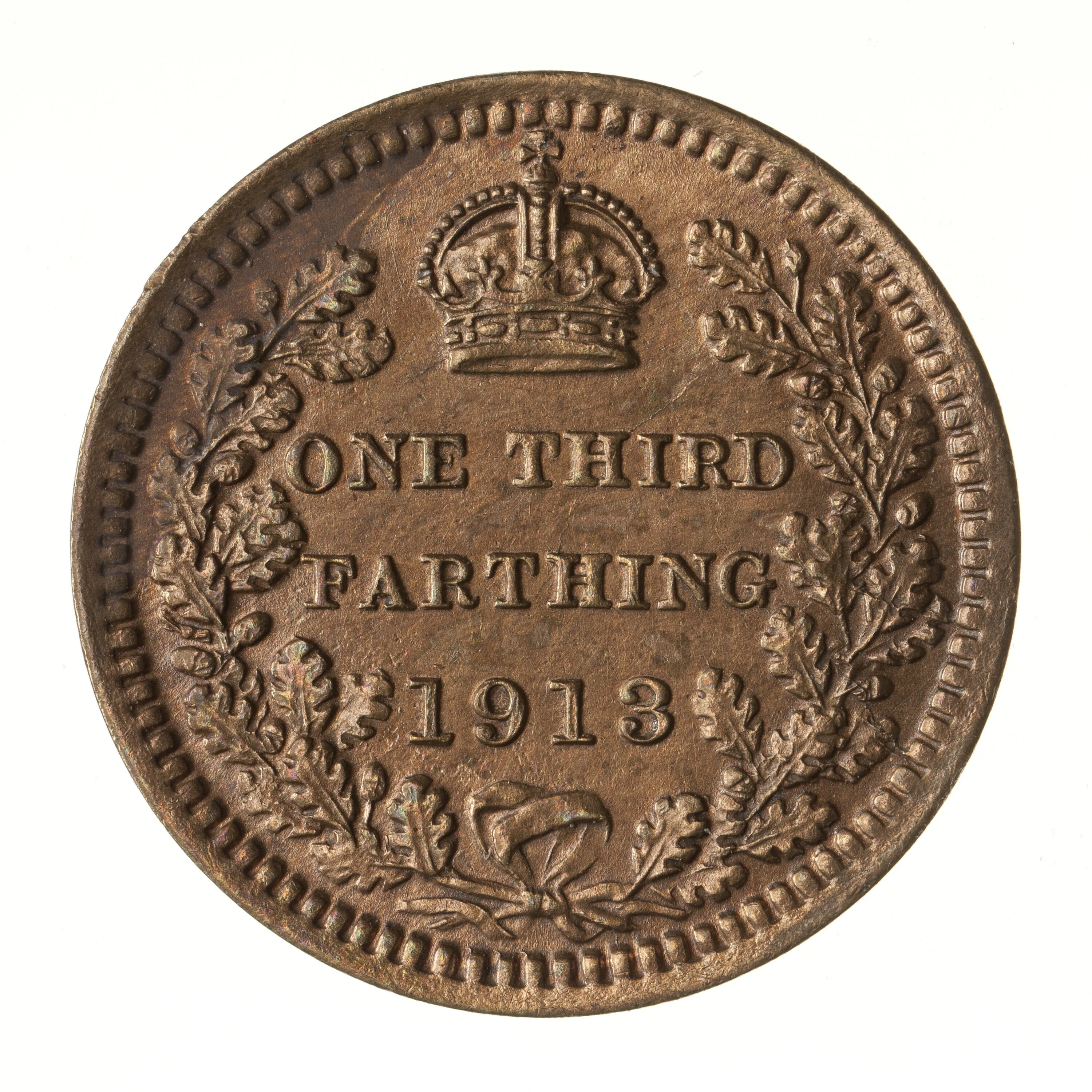
Crowned denomination above date within laurel wreath.
Inscription:
ONE THIRD
FARTHING
1913
FARTHING
1913
Script: Latin
Edge
Plain
Mints
| Name | Mark |
|---|---|
| Royal Mint (Tower Hill) | — |
Mintings
| Year | Mint Mark | Mintage | Quality | Collection |
|---|---|---|---|---|
| 1913 | — | 288,000 |
Historical background
In 1913, Malta's currency situation was a direct reflection of its political status as a British Crown Colony. The official currency was the British sterling system, with the Pound Sterling (£), Shilling (s), and Pence (d) as the units of account. British gold sovereigns, silver coins, and copper pennies circulated widely, and the island's banking and government operations were fully integrated into the British financial system. This monetary integration facilitated trade with the United Kingdom and across the Empire, which was crucial for an island with a strategic naval base and limited natural resources.
However, alongside British coinage, a variety of other currencies, particularly Spanish and Mexican silver dollars (known as "pieces of eight") and Italian lire, still had a lingering presence in everyday transactions. These older, large silver coins from the Mediterranean trade circuits of the previous centuries were not legal tender but were tolerated in commerce and often circulated at values determined by their silver content relative to sterling. This created a somewhat complex dual environment where official business was conducted in sterling, while some local market transactions might still reference or accept these foreign coins.
The currency landscape was stable but on the cusp of change. The outbreak of World War I the following year would profoundly impact Malta's economy and currency, leading to the temporary issuance of local token coinage and notes due to the hoarding of British silver. Furthermore, the lingering presence of non-sterling coins highlighted Malta's deep-seated historical and economic ties to the Mediterranean, a contrast to its formal political alignment with Britain. Thus, in 1913, Malta's monetary system was a hybrid space, officially and firmly British sterling, yet still bearing the faint, tangible echoes of its pre-colonial commercial past.
However, alongside British coinage, a variety of other currencies, particularly Spanish and Mexican silver dollars (known as "pieces of eight") and Italian lire, still had a lingering presence in everyday transactions. These older, large silver coins from the Mediterranean trade circuits of the previous centuries were not legal tender but were tolerated in commerce and often circulated at values determined by their silver content relative to sterling. This created a somewhat complex dual environment where official business was conducted in sterling, while some local market transactions might still reference or accept these foreign coins.
The currency landscape was stable but on the cusp of change. The outbreak of World War I the following year would profoundly impact Malta's economy and currency, leading to the temporary issuance of local token coinage and notes due to the hoarding of British silver. Furthermore, the lingering presence of non-sterling coins highlighted Malta's deep-seated historical and economic ties to the Mediterranean, a contrast to its formal political alignment with Britain. Thus, in 1913, Malta's monetary system was a hybrid space, officially and firmly British sterling, yet still bearing the faint, tangible echoes of its pre-colonial commercial past.
🌱 Fairly Common