

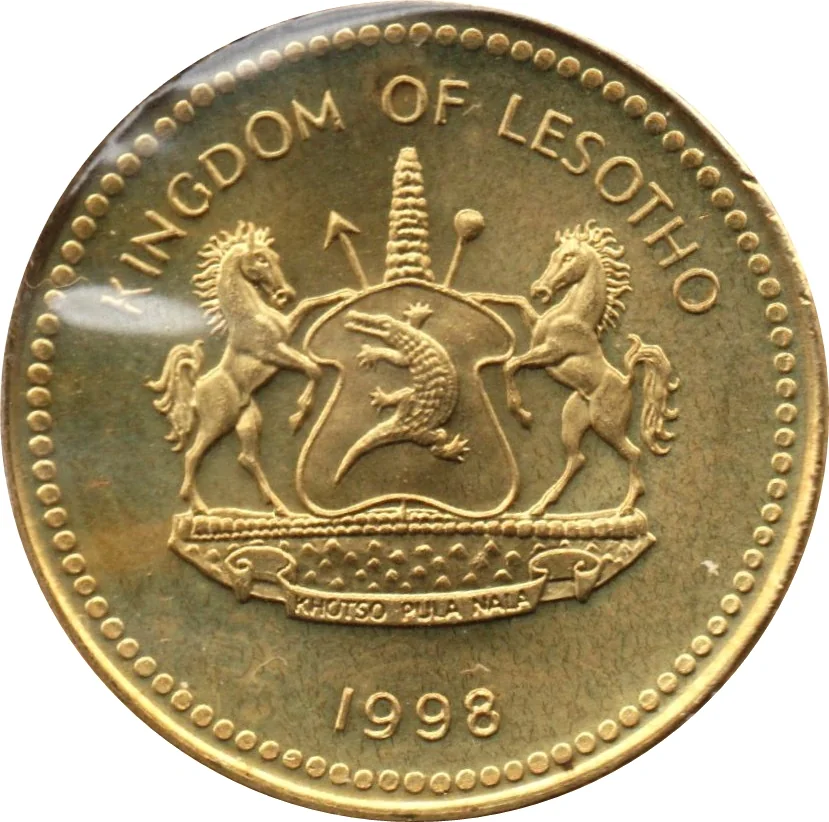
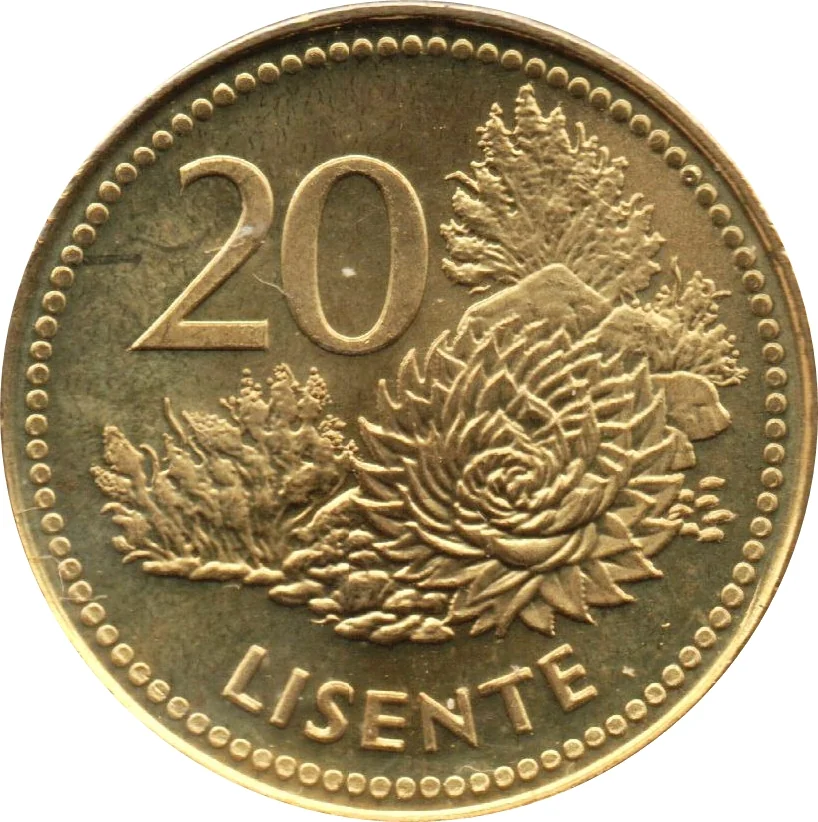
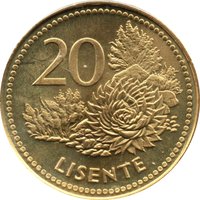
20 Lisente – Lesotho
Lesotho
Context
Material
References
KM: #Click to copy to clipboard64
Numista: #2501
Value
Exchange value: 0.20 LSL
Obverse
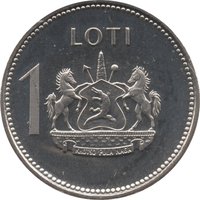
Reverse
Edge
Milled
Categories
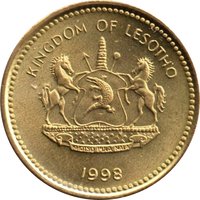
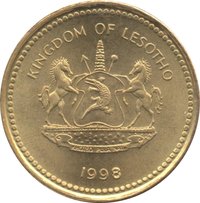
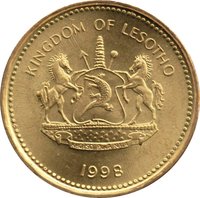
| Symbols> Coat of Arms |
| Plants> Flower |
Mintings
| Year | Mint Mark | Mintage | Quality | Collection |
|---|---|---|---|---|
| 1998 | — | — | ||
| 2018 | — | — | ||
| 2023 | — | — |
Historical background
In 1998, Lesotho's currency situation was intrinsically linked to its membership in the Common Monetary Area (CMA) with South Africa. The Loti (plural: Maloti), Lesotho's national currency, was pegged at par to the South African Rand, which also circulated as legal tender within the country. This arrangement provided monetary stability and facilitated trade with its dominant economic neighbor, but it also meant Lesotho ceded control over its independent monetary policy, making its economy highly susceptible to South Africa's economic fluctuations and policy decisions.
The currency's stability became a focal point during the political and constitutional crisis that erupted following the controversial 1998 general elections. The opposition alleged electoral fraud, leading to widespread protests, a breakdown in public order, and ultimately a military intervention by South Africa and Botswana. Amid this turmoil, a critical concern for the government and international observers was the potential for a run on the currency and the collapse of the banking system, as confidence in institutions waned. Safeguarding the Central Bank of Lesotho and the nation's foreign reserves became a paramount security objective.
Ultimately, the currency peg held firm throughout the crisis, a testament to the strength of the CMA framework and the swift regional military intervention that restored order. The aftermath saw a period of political reconciliation and constitutional reform. Economically, the crisis underscored Lesotho's profound dependency on South Africa, not just for monetary policy but for its overall security and economic stability, reinforcing the complex benefits and vulnerabilities of the Rand peg that continued to define its financial landscape.
The currency's stability became a focal point during the political and constitutional crisis that erupted following the controversial 1998 general elections. The opposition alleged electoral fraud, leading to widespread protests, a breakdown in public order, and ultimately a military intervention by South Africa and Botswana. Amid this turmoil, a critical concern for the government and international observers was the potential for a run on the currency and the collapse of the banking system, as confidence in institutions waned. Safeguarding the Central Bank of Lesotho and the nation's foreign reserves became a paramount security objective.
Ultimately, the currency peg held firm throughout the crisis, a testament to the strength of the CMA framework and the swift regional military intervention that restored order. The aftermath saw a period of political reconciliation and constitutional reform. Economically, the crisis underscored Lesotho's profound dependency on South Africa, not just for monetary policy but for its overall security and economic stability, reinforcing the complex benefits and vulnerabilities of the Rand peg that continued to define its financial landscape.
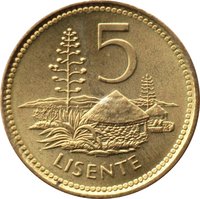
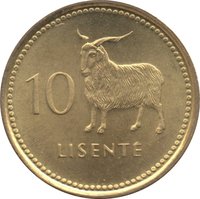
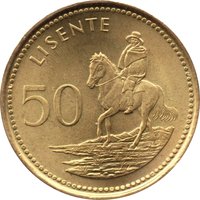
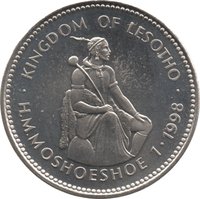
Series: 1998 Lesotho circulation coins
🌱 Very Common