

250 dollars – Canada
Add to wishlist
Canada
Context
Material
Diameter: 101.8 mm
Weight: 1000 g
Silver Weight:: 999.90 g
Shape: Round
Composition: 99.99% Silver
Standard: Silver kilo
Magnetic: No
Technique: Milled
Alignment: Medal alignment
flip

References
KM: #
Numista: #24998
Value
Exchange value: 250 CAD
Bullion value: $2509.92
Inflation-adjusted value: 347.39 CAD
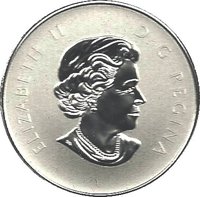
Obverse
Description:
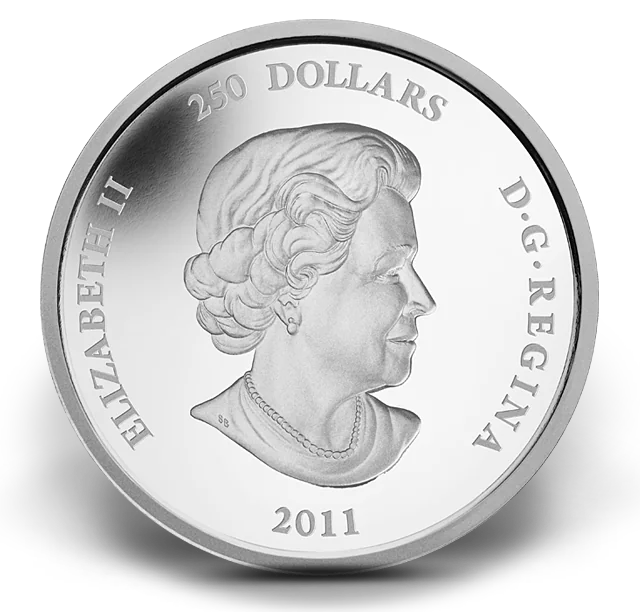
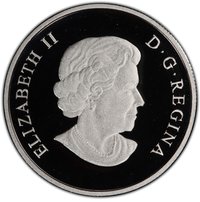
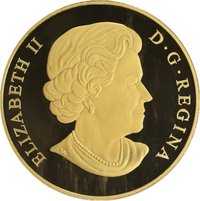
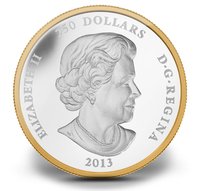
Queen Elizabeth II at 77, facing right, wearing a necklace and earrings.
Inscription:
ELIZABETH II 250 DOLLARS D·G·REGINA
SB
2011
SB
2011
Translation:
Elizabeth II by the Grace of God Queen 250 Dollars
SB
2011
SB
2011
Script: Latin
Engraver: Susan Taylor
Designer: Susanna Blunt
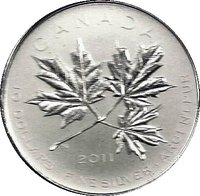
Reverse
Description:
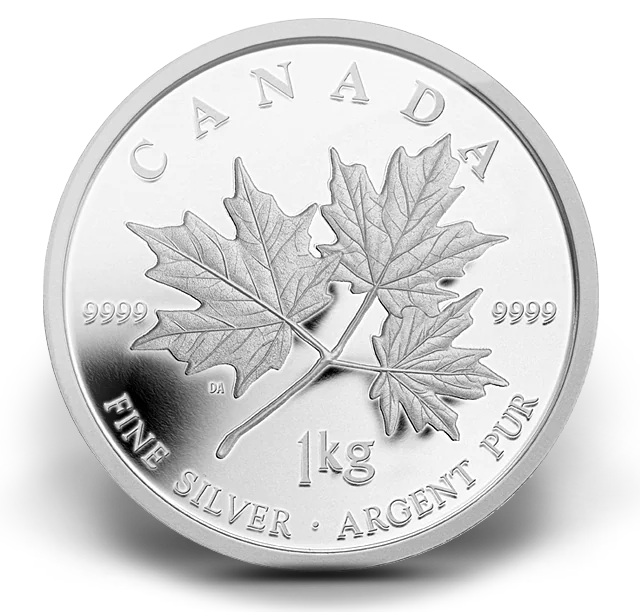
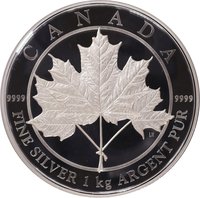
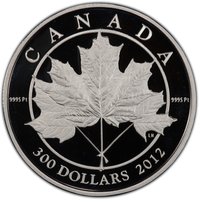
A maple leaf trilogy inspired by the airy design of Canada's one-cent coin since 1937.
Inscription:
CANADA
9999 9999
DA
1kg
FINE SILVER · ARGENT PUR
9999 9999
DA
1kg
FINE SILVER · ARGENT PUR
Script: Latin
Engraver: Konrad Wachelko
Designer: Debbie Adams
Edge
Plain
Mints
| Name | Mark |
|---|---|
| Royal Canadian Mint of Ottawa | — |
Mintings
| Year | Mint Mark | Mintage | Quality | Collection |
|---|---|---|---|---|
| 2011 | — | 997 | Proof |
Historical background
In 2011, the Canadian dollar, known as the "loonie," was characterized by notable strength and volatility, largely driven by global commodity markets. For much of the year, it traded significantly above parity with the US dollar, a position it had reclaimed in 2010 and would maintain through early 2013. This strength was primarily fueled by high global prices for Canada's key natural resource exports, particularly crude oil. As a commodity-linked currency, the loonie's value rose in tandem with robust demand from emerging economies, making it one of the world's strongest-performing currencies in the post-financial crisis period.
This sustained high value presented a complex economic picture. On one hand, it benefited Canadian consumers through increased purchasing power for imported goods and cross-border shopping. On the other hand, it posed a serious challenge for the country's export-oriented manufacturing sector, especially in central Canada. Industries like automotive and machinery faced intense competitive pressure, as their goods became more expensive for foreign buyers. The Bank of Canada, under Governor Mark Carney, was cautious, keeping its key interest rate at a low 1% for the entire year after a series of hikes in 2010, mindful that raising rates further could attract more foreign capital and push the currency even higher.
By the end of 2011, the currency's momentum was tempered by growing global headwinds. The European sovereign debt crisis and concerns about a slowing global economy led to a flight to safety, strengthening the US dollar and causing a retreat in commodity prices in the latter half of the year. This pushed the loonie off its yearly highs, introducing increased volatility. The overarching narrative of 2011 was thus of a currency grappling with the dual identity of a safe-haven resource economy and the vulnerabilities that come with it, setting the stage for a period of increased caution in Canadian monetary and economic policy.
This sustained high value presented a complex economic picture. On one hand, it benefited Canadian consumers through increased purchasing power for imported goods and cross-border shopping. On the other hand, it posed a serious challenge for the country's export-oriented manufacturing sector, especially in central Canada. Industries like automotive and machinery faced intense competitive pressure, as their goods became more expensive for foreign buyers. The Bank of Canada, under Governor Mark Carney, was cautious, keeping its key interest rate at a low 1% for the entire year after a series of hikes in 2010, mindful that raising rates further could attract more foreign capital and push the currency even higher.
By the end of 2011, the currency's momentum was tempered by growing global headwinds. The European sovereign debt crisis and concerns about a slowing global economy led to a flight to safety, strengthening the US dollar and causing a retreat in commodity prices in the latter half of the year. This pushed the loonie off its yearly highs, introducing increased volatility. The overarching narrative of 2011 was thus of a currency grappling with the dual identity of a safe-haven resource economy and the vulnerabilities that come with it, setting the stage for a period of increased caution in Canadian monetary and economic policy.
Series: Maple Leaf Forever


✨ Legendary