

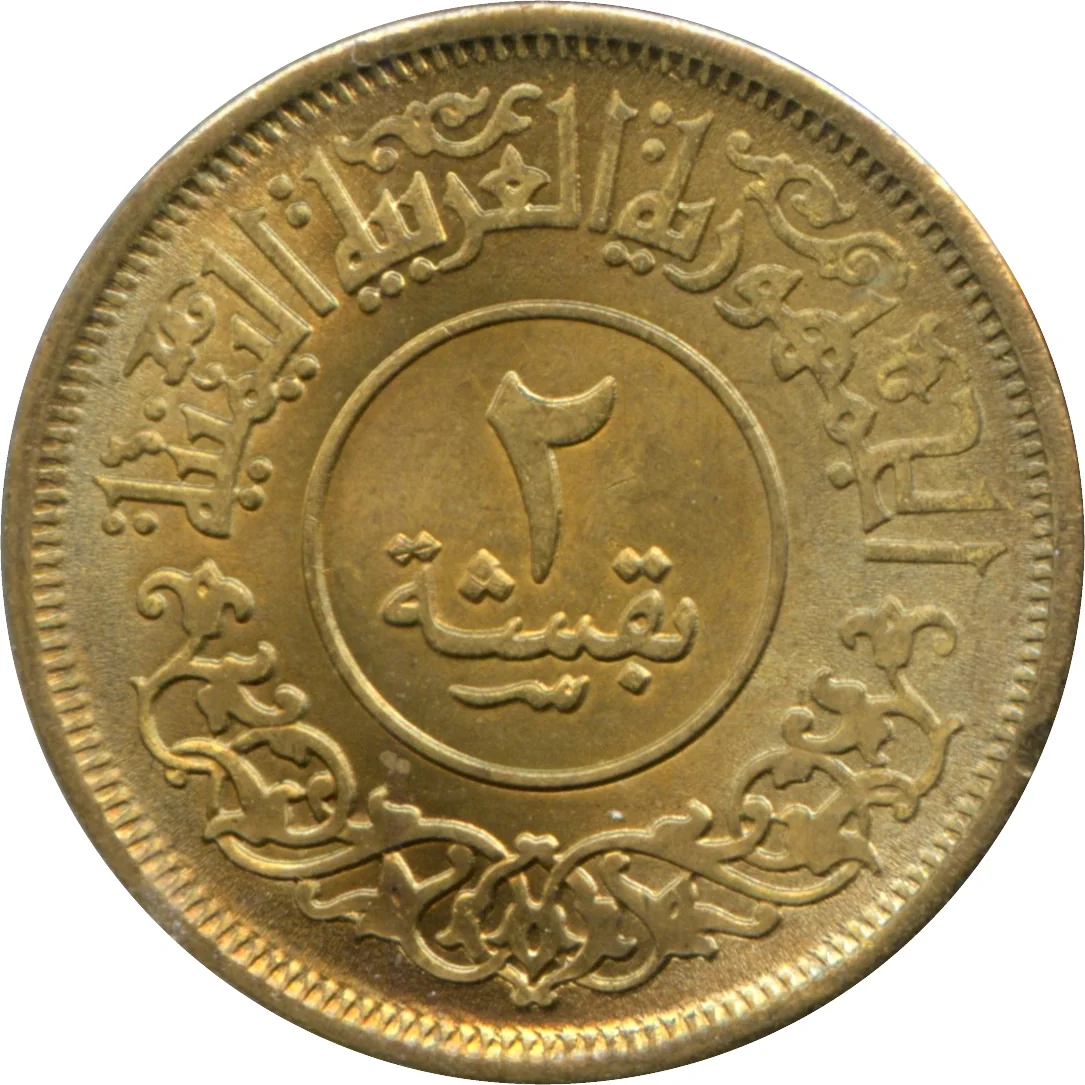
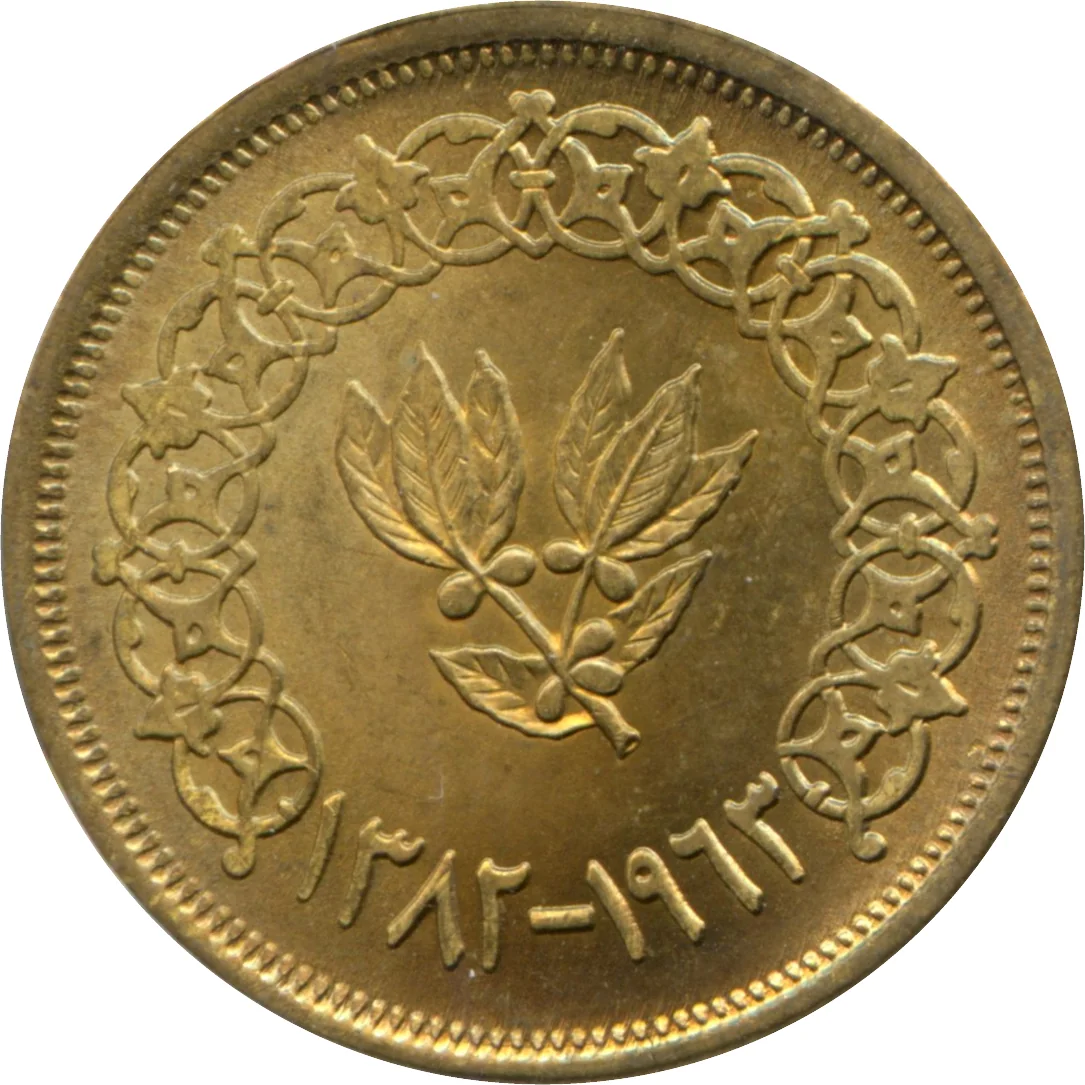
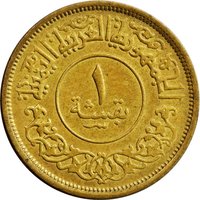
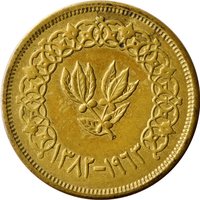
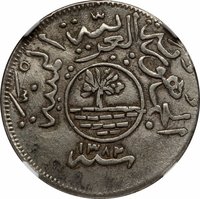
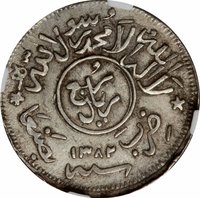
2 buqshas – North Yemen
Add to wishlist
Yemen
Context
Year: 1963
Islamic (Hijri) Year:: 1382
Country: Yemen
Issuer: North Yemen
Period:
(1962—1990)
Currency:
(1918—1974)
Demonetized: Yes
Material
References
Y: #
Numista: #10197
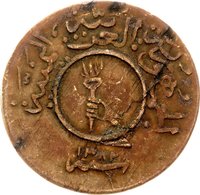
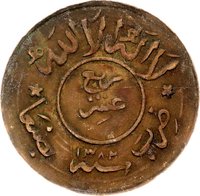
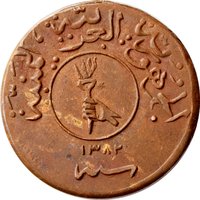
Obverse
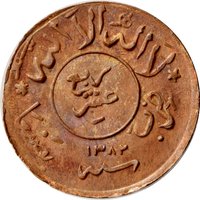
Reverse
Edge
Plain
Mints
| Name | Mark |
|---|---|
| Egyptian Mint Authority | — |
Mintings
| Year | Mint Mark | Mintage | Quality | Collection |
|---|---|---|---|---|
| 1963 | — | — |
Historical background
In 1963, the currency situation in North Yemen (the Yemen Arab Republic) was characterized by fragmentation and instability following the 1962 revolution that overthrew the Mutawakkilite Kingdom. The new republican government, based in Sana'a and backed by Egypt, fought a bitter civil war against royalist forces supported by Saudi Arabia and Jordan. This conflict directly shaped the monetary landscape, as both sides issued their own currency to finance the war and assert sovereignty, leading to competing currencies circulating in territories they controlled.
The primary currency was the North Yemeni rial, a silver coin dating back to the imamate. However, its value and acceptance were unreliable. The republican government, facing severe financial strain, began printing paper money for the first time in Yemen's history through the newly established Yemen Currency Board. These notes, known as "bankers' rials," were not backed by substantial reserves and struggled for public trust. Meanwhile, in royalist-held areas, older imamate coins and foreign currencies like the British sovereign and Maria Theresa thaler remained in use, creating a disjointed monetary system.
Furthermore, the economy was heavily reliant on foreign support, making the currency vulnerable. The republic depended on Egyptian military and financial aid, while the royalists were funded by Saudi Arabia. This influx of foreign capital, alongside the circulation of Saudi riyals and Egyptian pounds in their respective zones of influence, further undermined the authority of a single national currency. Consequently, in 1963, North Yemen lacked a unified, stable monetary system, with its currency situation reflecting the political and military divisions of the ongoing civil war.
The primary currency was the North Yemeni rial, a silver coin dating back to the imamate. However, its value and acceptance were unreliable. The republican government, facing severe financial strain, began printing paper money for the first time in Yemen's history through the newly established Yemen Currency Board. These notes, known as "bankers' rials," were not backed by substantial reserves and struggled for public trust. Meanwhile, in royalist-held areas, older imamate coins and foreign currencies like the British sovereign and Maria Theresa thaler remained in use, creating a disjointed monetary system.
Furthermore, the economy was heavily reliant on foreign support, making the currency vulnerable. The republic depended on Egyptian military and financial aid, while the royalists were funded by Saudi Arabia. This influx of foreign capital, alongside the circulation of Saudi riyals and Egyptian pounds in their respective zones of influence, further undermined the authority of a single national currency. Consequently, in 1963, North Yemen lacked a unified, stable monetary system, with its currency situation reflecting the political and military divisions of the ongoing civil war.
🌱 Common