

20 lei – Romania
Add to wishlist
Romania
Context
Material
Diameter: 27 mm
Weight: 7.5 g
Shape: Round
Composition: Nickel brass
Magnetic: No
Technique: Milled
Alignment: Coin alignment
flip
References
KM: #
Numista: #24466
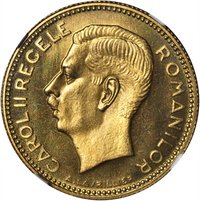
Obverse
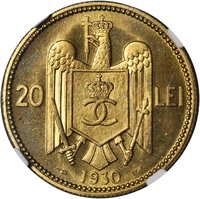
Reverse
Description:
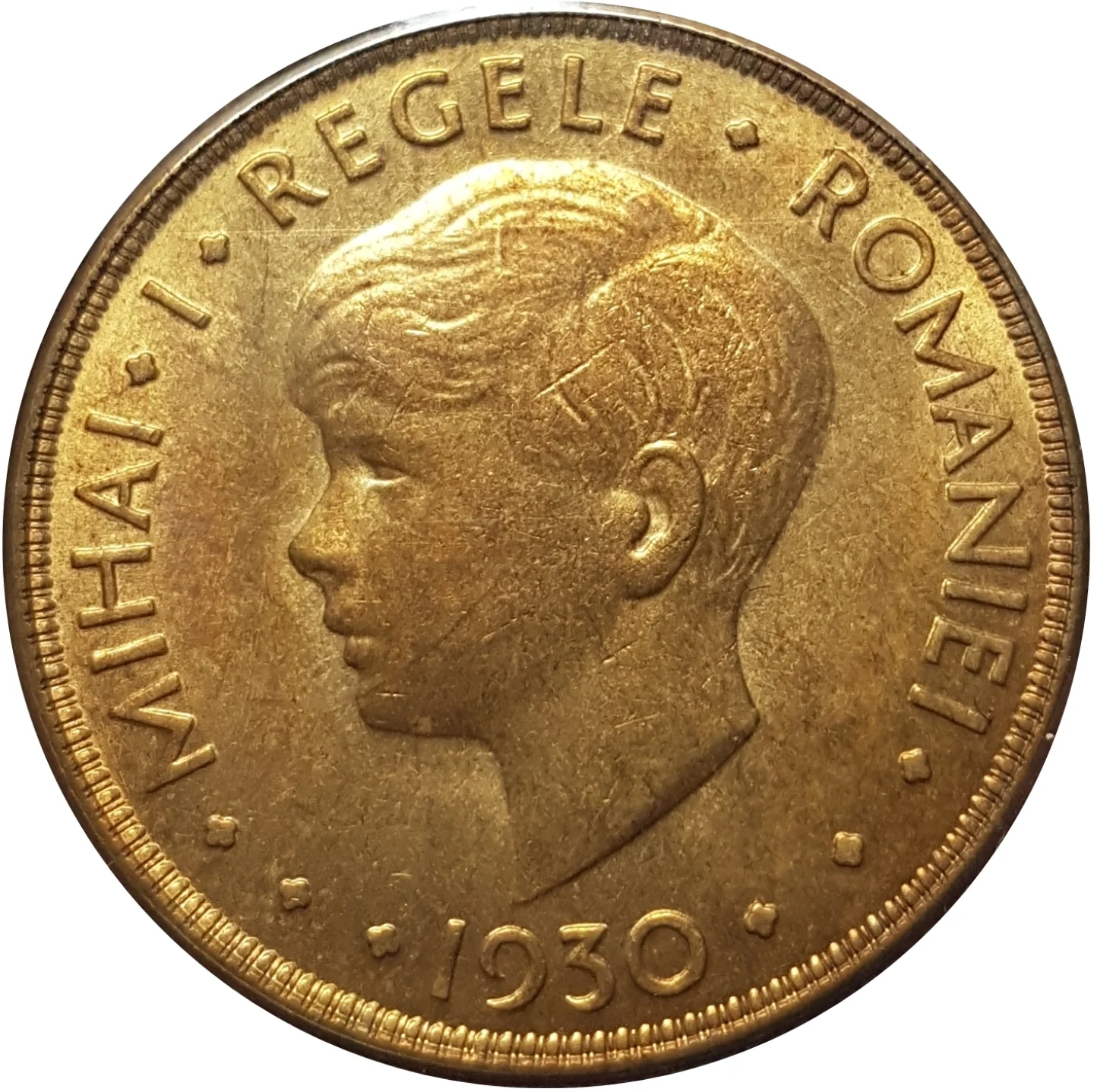
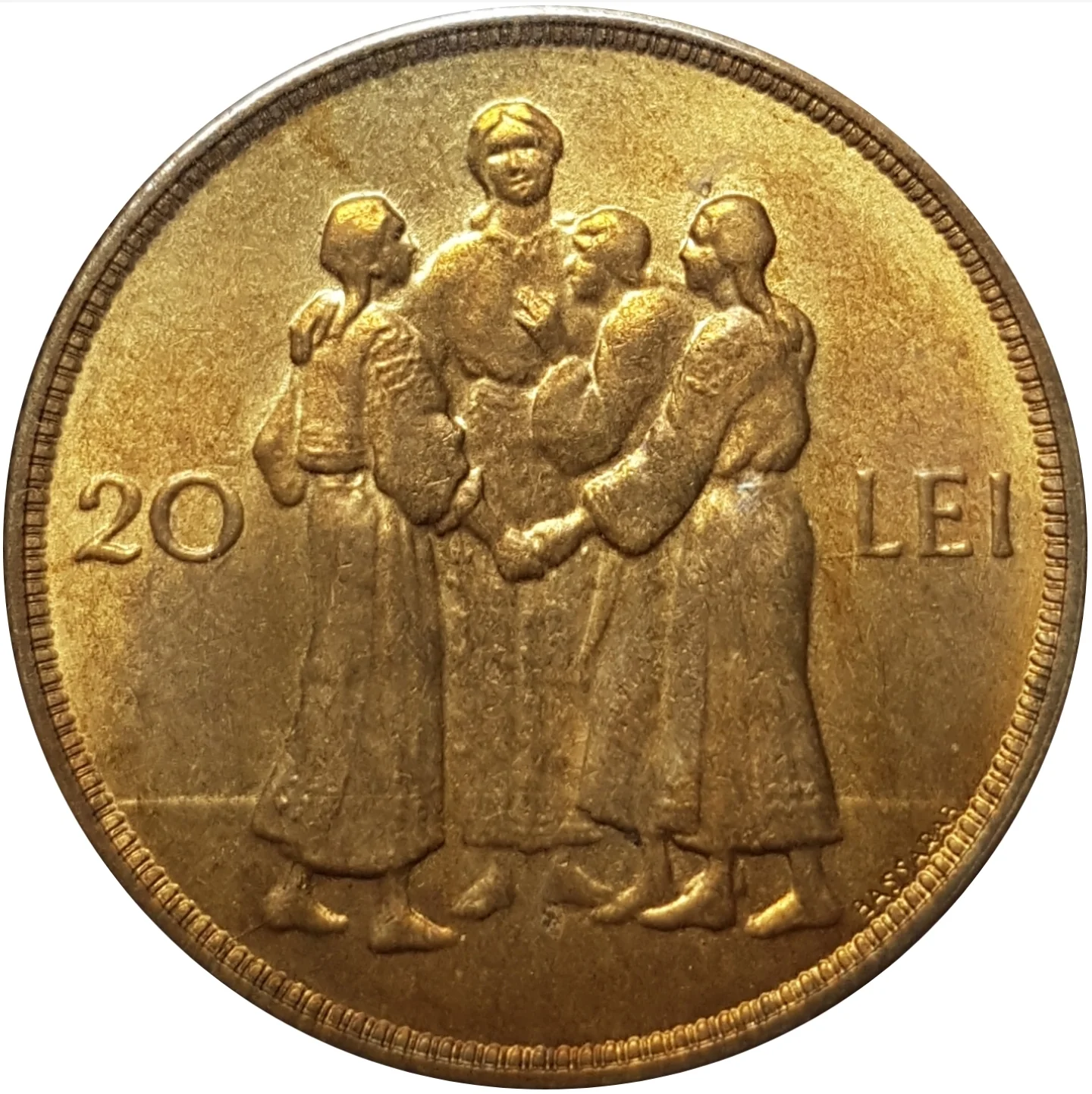
"20 lei" with four women in folk costumes. Engraver's name on the rim. Outer grenetis.
Inscription:
20 LEI
Script: Latin
Engraver: Costache Bassarab
Edge
Reeded
Mints
| Name | Mark |
|---|---|
| Royal Mint (Tower Hill) | — |
| Heaton and Sons / The Mint Birmingham | H |
| Kings Norton Metal Company | KN |
Historical background
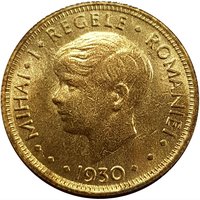
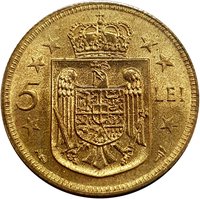
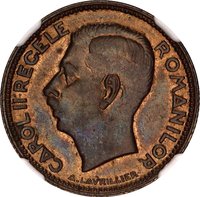
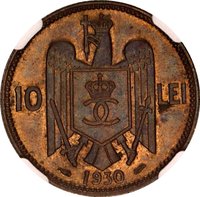
In 1930, Romania’s currency situation was defined by the aftermath of World War I and the Great Depression. The national currency, the leu, was theoretically on a gold standard, but in practice the country operated under a managed "gold exchange standard" established in 1929. This system pegged the leu to a gold value through its fixed exchange rate with major gold-backed currencies like the French franc and British pound. However, this stabilization was fragile, built on significant foreign loans and dependent on continued agricultural exports for revenue.
The onset of the global economic crisis in 1929 severely undermined this stability. International credit dried up, and the prices for Romania’s primary exports—grain and oil—collapsed on world markets. This created a severe balance of payments deficit, draining the country's gold and foreign currency reserves held by the National Bank of Romania. By 1930, the pressure was immense, as the bank struggled to maintain the leu's official parity while facing speculative attacks and a loss of confidence, both domestically and internationally.
Consequently, 1930 marked the beginning of the end for the gold standard in Romania. Although a formal devaluation would not occur until 1932, this year saw the implementation of strict exchange controls and the effective suspension of gold convertibility. The government and the National Bank prioritized protecting dwindling reserves over maintaining free convertibility, leading to a regime of currency rationing and a growing gap between the official and black-market exchange rates. Thus, the currency situation in 1930 was one of managed crisis, transitioning from a pegged but vulnerable system toward a controlled, inconvertible leu.
The onset of the global economic crisis in 1929 severely undermined this stability. International credit dried up, and the prices for Romania’s primary exports—grain and oil—collapsed on world markets. This created a severe balance of payments deficit, draining the country's gold and foreign currency reserves held by the National Bank of Romania. By 1930, the pressure was immense, as the bank struggled to maintain the leu's official parity while facing speculative attacks and a loss of confidence, both domestically and internationally.
Consequently, 1930 marked the beginning of the end for the gold standard in Romania. Although a formal devaluation would not occur until 1932, this year saw the implementation of strict exchange controls and the effective suspension of gold convertibility. The government and the National Bank prioritized protecting dwindling reserves over maintaining free convertibility, leading to a regime of currency rationing and a growing gap between the official and black-market exchange rates. Thus, the currency situation in 1930 was one of managed crisis, transitioning from a pegged but vulnerable system toward a controlled, inconvertible leu.
🌱 Fairly Common