

1 Ducat – Netherlands
Netherlands
Context
Years: 1809–1810
Issuer: Netherlands 
Ruler: Louis Napoléon Bonaparte
Currency:
(1581—1817)
Demonetized: Yes
Total mintage: 2,370,620
Material
References
KM: #Click to copy to clipboard38
Numista: #24439
Value
Bullion value: $565.44
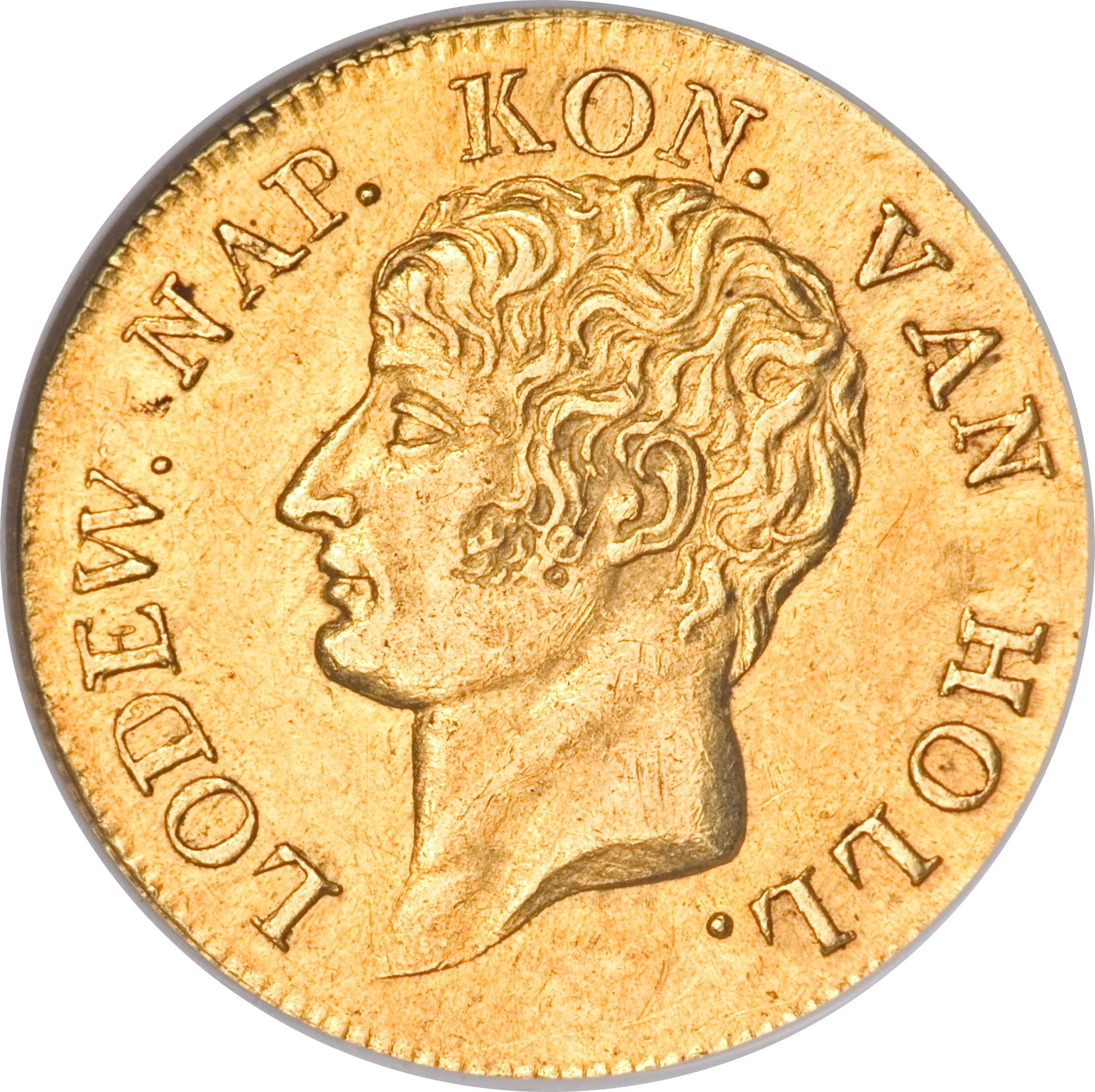
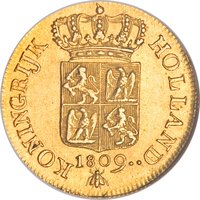
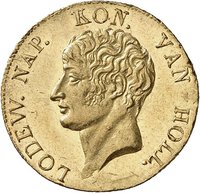
Obverse
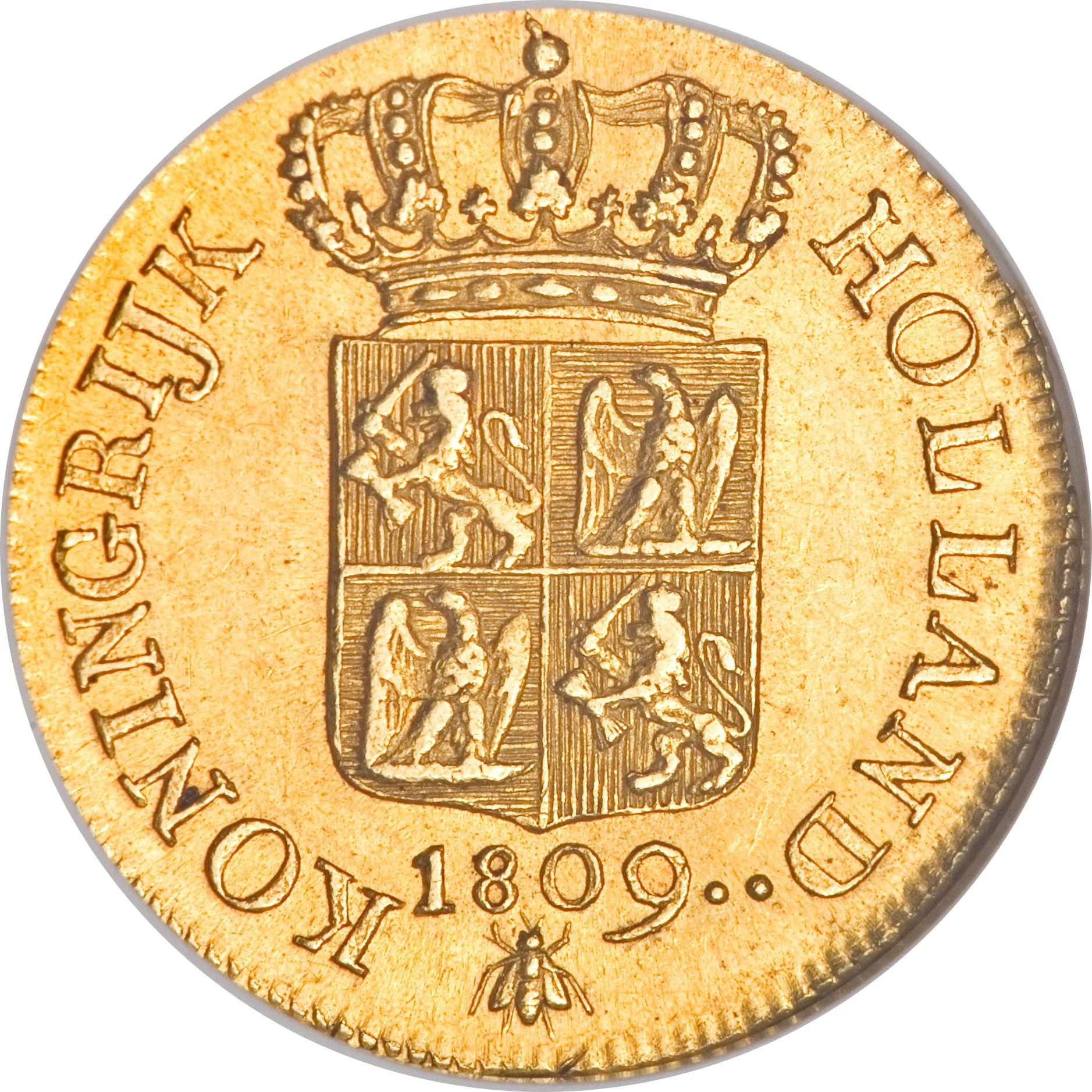
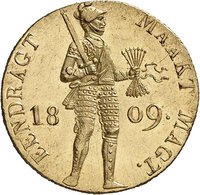
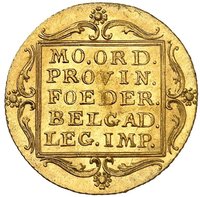
Reverse
Edge
Slanted reeding
Categories
| Symbol> Crown |
| Symbols> Coat of Arms |
Mintings
| Year | Mint Mark | Mintage | Quality | Collection |
|---|---|---|---|---|
| 1809 | — | 2,370,620 | ||
| 1810 | — | — |
Historical background
In 1809, the Netherlands existed as the Kingdom of Holland, a French client state ruled by Napoleon Bonaparte’s brother, Louis. The currency situation was dire and deeply unstable, a direct consequence of the Continental System—Napoleon's blockade against British trade. This policy crippled the Dutch economy, which was historically built on commerce and maritime trade, leading to widespread unemployment, bankruptcies, and a severe shortage of essential goods. The state's finances were in disarray, exacerbated by the heavy costs of French occupation and the king's own attempts to modernize the administration.
The monetary system itself was a chaotic patchwork. Circulation included a mix of older Dutch guilders (also called florins), French francs, and a proliferation of foreign and debased coins. Most critically, there was a severe lack of specie (gold and silver coin), as precious metal was hoarded or drained away to finance France's wars. This led to a reliance on paper money, including assignaten and other government obligations, which rapidly depreciated in value due to a lack of public confidence and insufficient backing. The result was rampant inflation, where the nominal value of money bore little relation to its actual purchasing power, causing great hardship for the populace.
King Louis Napoleon made efforts to address the crisis, establishing the Bank of Holland (Bank van Holland) in 1809 to restore order and issue stable currency. However, these measures were largely ineffective against the overwhelming geopolitical and economic pressures. Napoleon's growing dissatisfaction with his brother's independent policies would lead to the kingdom's forced annexation into the French Empire in 1810, after which the Dutch currency was formally replaced by the French franc, fully integrating the Netherlands into Napoleon's struggling financial system.
The monetary system itself was a chaotic patchwork. Circulation included a mix of older Dutch guilders (also called florins), French francs, and a proliferation of foreign and debased coins. Most critically, there was a severe lack of specie (gold and silver coin), as precious metal was hoarded or drained away to finance France's wars. This led to a reliance on paper money, including assignaten and other government obligations, which rapidly depreciated in value due to a lack of public confidence and insufficient backing. The result was rampant inflation, where the nominal value of money bore little relation to its actual purchasing power, causing great hardship for the populace.
King Louis Napoleon made efforts to address the crisis, establishing the Bank of Holland (Bank van Holland) in 1809 to restore order and issue stable currency. However, these measures were largely ineffective against the overwhelming geopolitical and economic pressures. Napoleon's growing dissatisfaction with his brother's independent policies would lead to the kingdom's forced annexation into the French Empire in 1810, after which the Dutch currency was formally replaced by the French franc, fully integrating the Netherlands into Napoleon's struggling financial system.
💎 Extremely Rare