

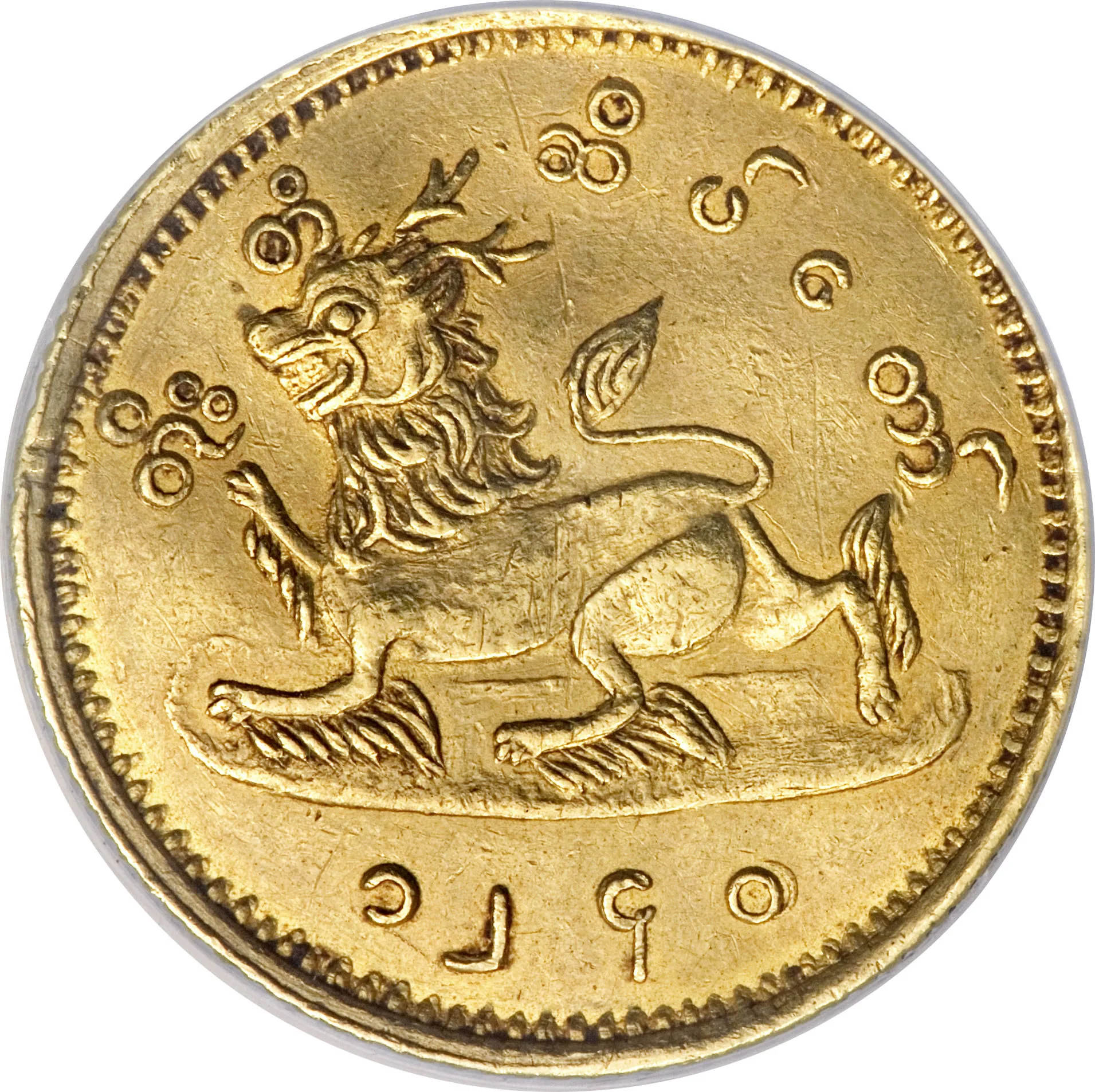
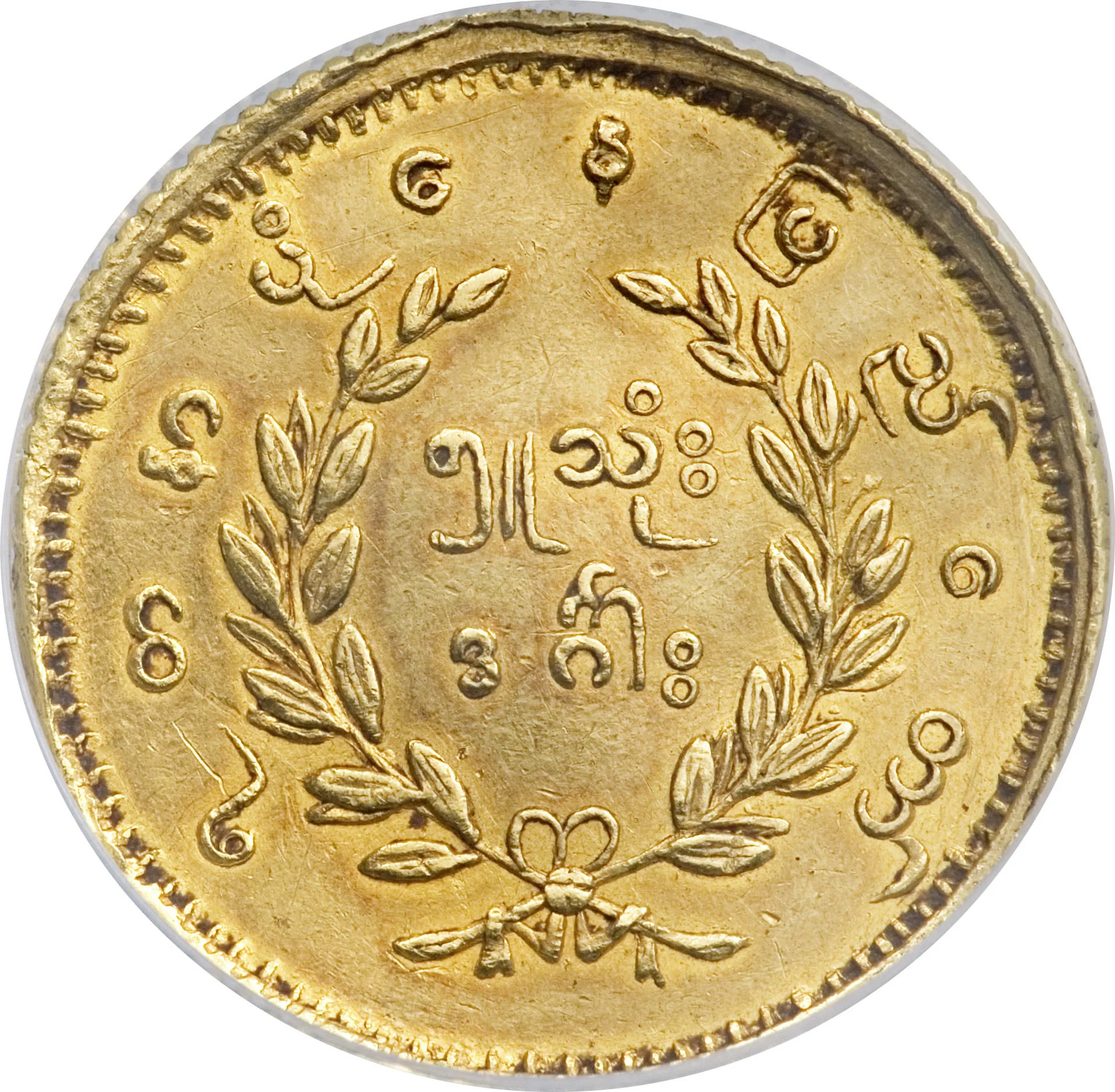
5 Gold Mu – Myanmar
Myanmar
Context
Year: 1879
Buddhist (Chulasakarat) Year: 1240
Issuer: Myanmar 
Ruler: Mindon Min
Currency:
(1852—1889)
Subdivision: 5 Gold Mu = 80 Silver Mu
Demonetized: Yes
Material
References
KM: #Click to copy to clipboard26
Numista: #24240
Value
Bullion value: $977.35
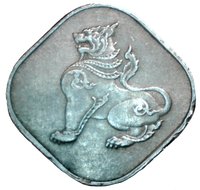
Obverse
Description:
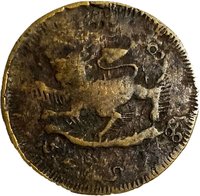
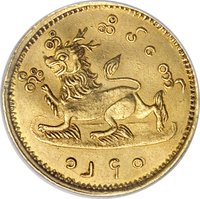
Chintze, dated below.
Inscription:
တိုးတံဆိပ်တော်
၁၂၄၀
၁၂၄၀
Translation:
Royal Coin
1240
1240
Language: Burmese
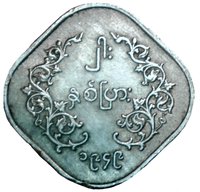
Reverse
Inscription:
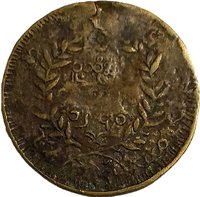
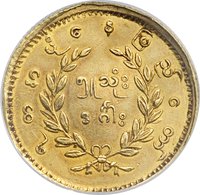
ရတနာပိုနေပြဥာ်တော်
၅။သိုး
ဒဂ်ါး
၅။သိုး
ဒဂ်ါး
Translation:
Fifth Year of the Era of the Ratanabon Royal Treasury.
Kyat
Kyat
Language: Burmese
Edge
Mintings
| Year | Mint Mark | Mintage | Quality | Collection |
|---|---|---|---|---|
| 1879 | — | — |
Historical background
In 1879, Myanmar (then known as the Kingdom of Burma) existed in a complex monetary landscape defined by the coexistence of multiple currency systems. The royal government in Mandalay, under King Thibaw, issued its own silver kyat and fractional coins, which were the official legal tender. However, these coins competed with a wide array of other mediums, including Indian rupees (both British and those minted by Indian princely states), as well as traditional silver bars and lead ingots. The value and acceptance of these currencies varied significantly by region and transaction type, creating a fragmented and often confusing economic environment.
This fragmentation was exacerbated by the kingdom's precarious political and economic position. Following the Second Anglo-Burmese War (1852-53), British Lower Burma was already under colonial control and fully integrated into the British Indian monetary system, using the rupee. Upper Burma, though still independent, was economically weakened and heavily influenced by British Indian trade. Consequently, the Burmese kyat struggled to maintain its authority, with its value often fluctuating against the more dominant Indian rupee, leading to instability in both internal commerce and cross-border trade.
Ultimately, the currency situation of 1879 reflected the broader trajectory of the kingdom itself: a sovereign system under severe strain from colonial encroachment. The lack of a unified, trusted currency hindered economic development and state revenue collection. This monetary instability was a symptom of the kingdom's deeper vulnerabilities, which would culminate just six years later in the Third Anglo-Burmese War (1885) and the complete annexation of Upper Burma, after which the Burmese kyat was demonetized and replaced by the Indian rupee.
This fragmentation was exacerbated by the kingdom's precarious political and economic position. Following the Second Anglo-Burmese War (1852-53), British Lower Burma was already under colonial control and fully integrated into the British Indian monetary system, using the rupee. Upper Burma, though still independent, was economically weakened and heavily influenced by British Indian trade. Consequently, the Burmese kyat struggled to maintain its authority, with its value often fluctuating against the more dominant Indian rupee, leading to instability in both internal commerce and cross-border trade.
Ultimately, the currency situation of 1879 reflected the broader trajectory of the kingdom itself: a sovereign system under severe strain from colonial encroachment. The lack of a unified, trusted currency hindered economic development and state revenue collection. This monetary instability was a symptom of the kingdom's deeper vulnerabilities, which would culminate just six years later in the Third Anglo-Burmese War (1885) and the complete annexation of Upper Burma, after which the Burmese kyat was demonetized and replaced by the Indian rupee.
✨ Legendary