

50 dinars – Iran
Add to wishlist
Iran
Context
Material
Diameter: 19 mm
Weight: 2.9 g
Shape: Round
Composition: Copper-nickel
Technique: Milled
Alignment: Coin alignment
flip
References
KM: #
Numista: #23967
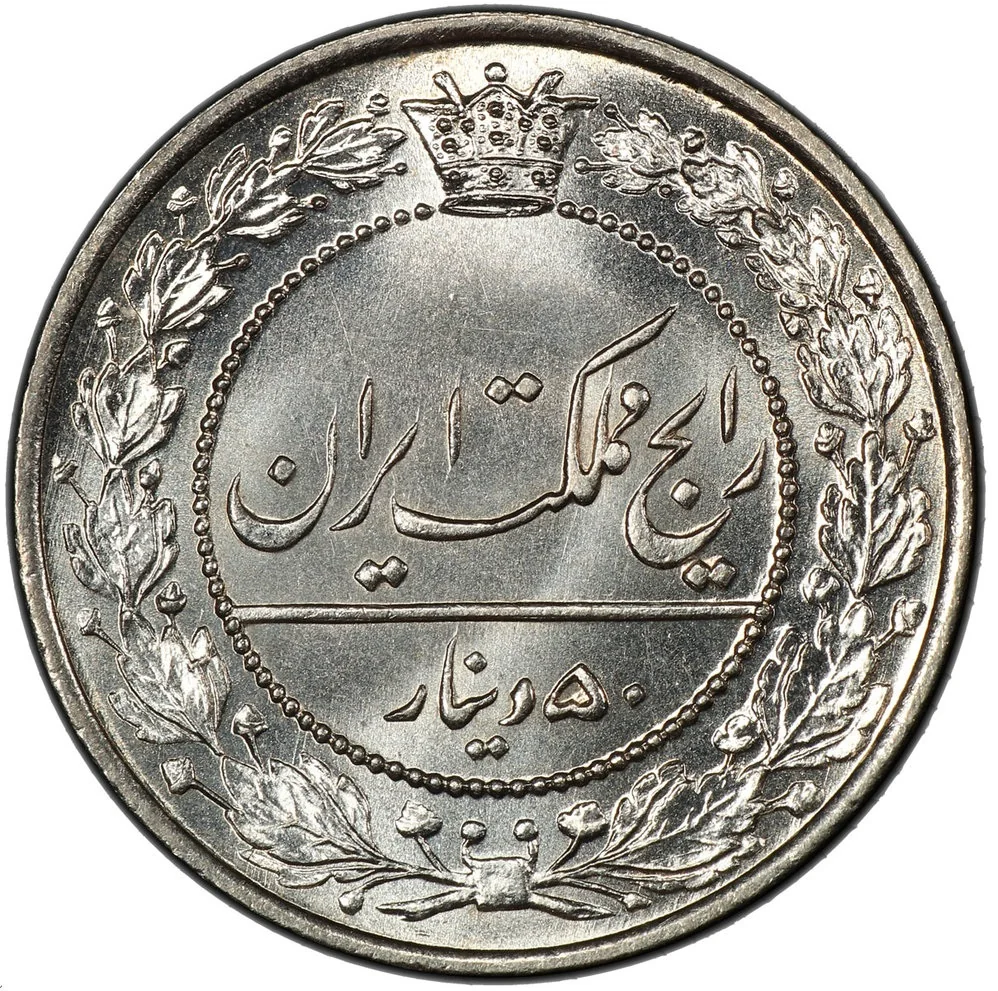
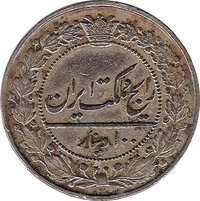
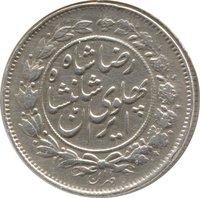
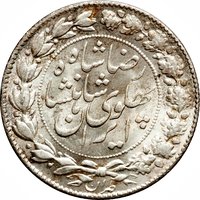
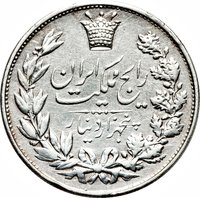
Obverse
Description:
Crowned wreath encircles legend.
Inscription:
رایج مملکت ایران
۵۰ دینار
۵۰ دینار
Translation:
Current in the Kingdom of Iran
50 Dinar
50 Dinar
Language: Persian
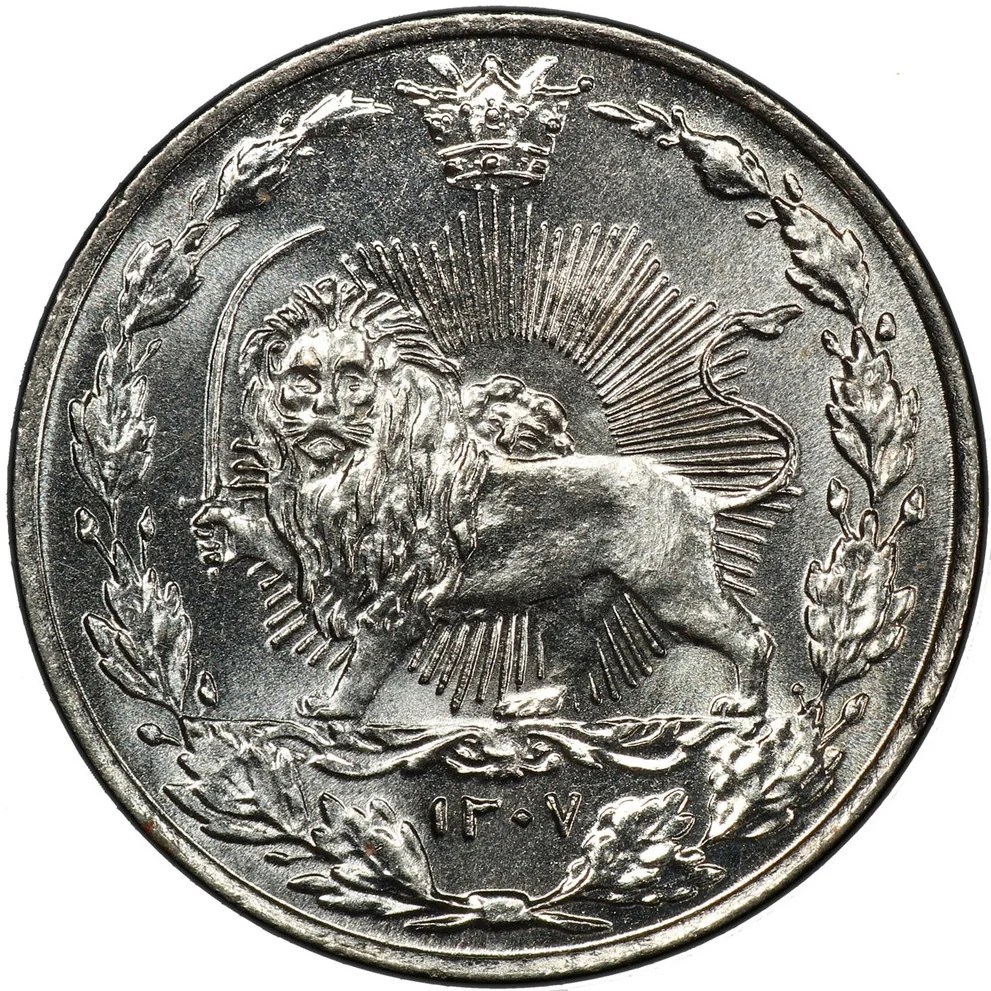
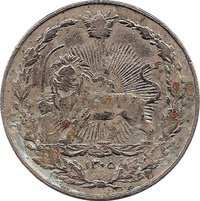
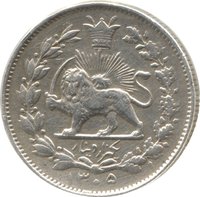
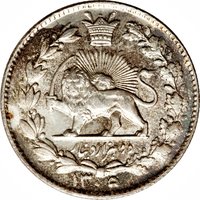
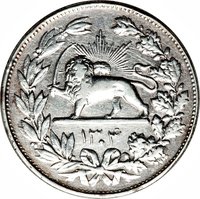
Reverse
Description:
Crowned lion with sword in wreath, date.
Inscription:
۱۳۰۵
Translation:
1305
Language: Persian
Edge
Plain
Mintings
| Year | Mint Mark | Mintage | Quality | Collection |
|---|---|---|---|---|
| 1926 | — | 11,000,000 | ||
| 1928 | — | 2,500,000 |
Historical background
In 1926, Iran's currency situation was characterized by instability and transition under the newly established Pahlavi dynasty. Reza Shah, crowned in April of that year, inherited a monetary system in disarray. The national currency, the qiran (or kran), was silver-based but suffered from severe depreciation and widespread counterfeiting. Crucially, the country lacked a central bank, meaning private and foreign banks—notably the British-owned Imperial Bank of Persia—issued their own banknotes, leading to a chaotic and unreliable money supply that hindered national economic integration.
The primary challenge was the lack of sovereign control over currency. The Imperial Bank of Persia held the exclusive right to issue banknotes, a concession granted in 1889, which was a source of national resentment. Concurrently, various forms of coinage, including old silver tomans and copper shahis, circulated alongside foreign currencies like the Russian ruble and British pound, particularly in trade centers. This fragmentation, combined with a global decline in the value of silver, caused sharp fluctuations in exchange rates and made fiscal planning for the new state exceedingly difficult.
Recognizing that monetary sovereignty was essential for modern state-building and economic independence, Reza Shah's government initiated decisive reforms shortly after 1926. The pivotal step came in 1927 with the passage of the Monetary Law and the establishment of the Bank Melli Iran (National Bank of Iran) in 1928, which was granted the exclusive right to issue banknotes. Therefore, the year 1926 represents the final chapter of an outdated system, immediately preceding the centralized monetary reforms that would define Iran's modern financial framework.
The primary challenge was the lack of sovereign control over currency. The Imperial Bank of Persia held the exclusive right to issue banknotes, a concession granted in 1889, which was a source of national resentment. Concurrently, various forms of coinage, including old silver tomans and copper shahis, circulated alongside foreign currencies like the Russian ruble and British pound, particularly in trade centers. This fragmentation, combined with a global decline in the value of silver, caused sharp fluctuations in exchange rates and made fiscal planning for the new state exceedingly difficult.
Recognizing that monetary sovereignty was essential for modern state-building and economic independence, Reza Shah's government initiated decisive reforms shortly after 1926. The pivotal step came in 1927 with the passage of the Monetary Law and the establishment of the Bank Melli Iran (National Bank of Iran) in 1928, which was granted the exclusive right to issue banknotes. Therefore, the year 1926 represents the final chapter of an outdated system, immediately preceding the centralized monetary reforms that would define Iran's modern financial framework.
Series: 1926 Iran circulation coins
🌟 Uncommon