

50 centavos – Ecuador
Add to wishlist
Ecuador
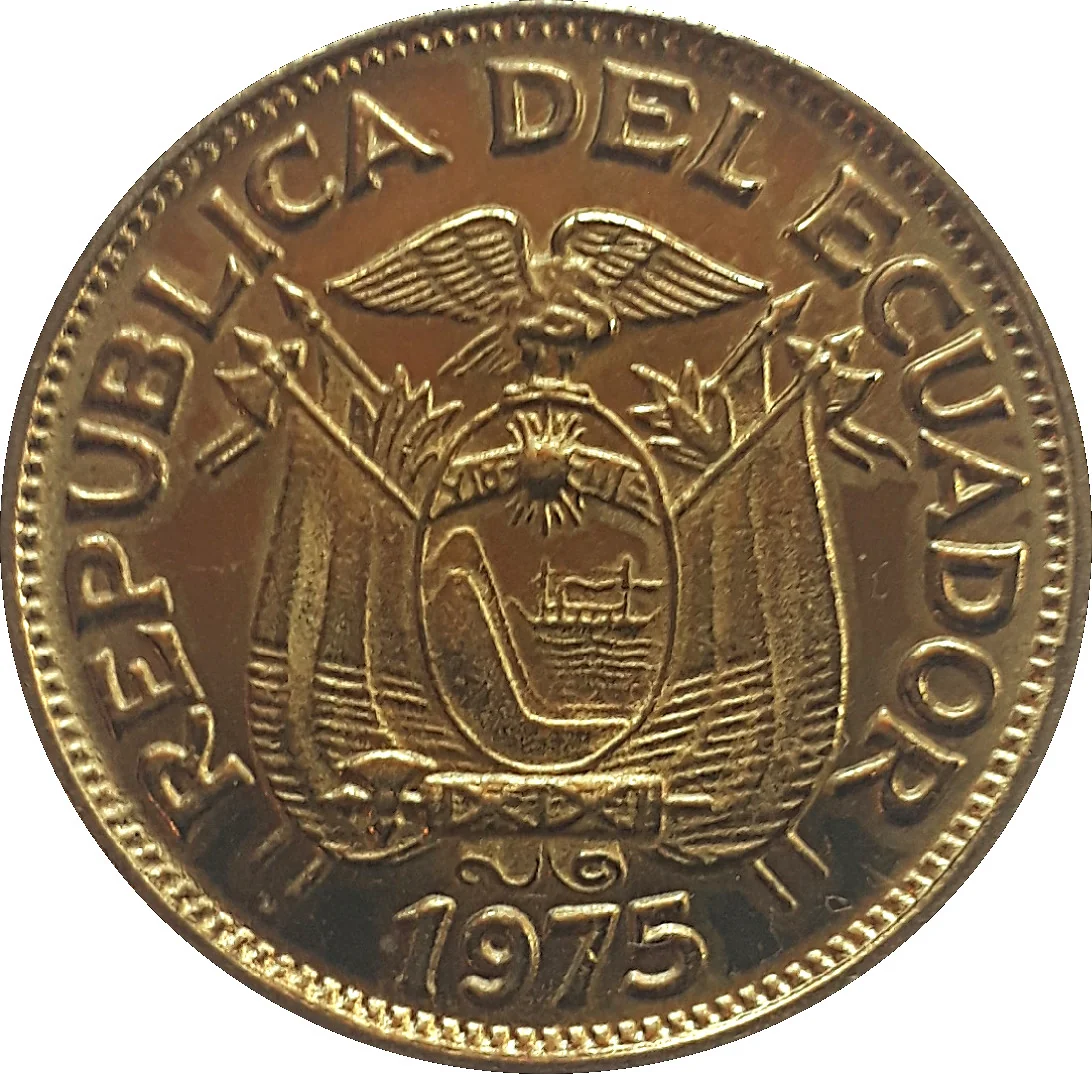
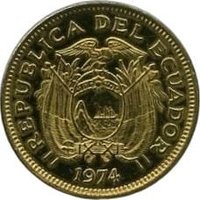
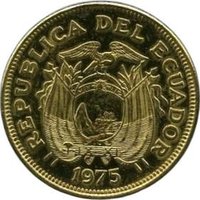
Obverse
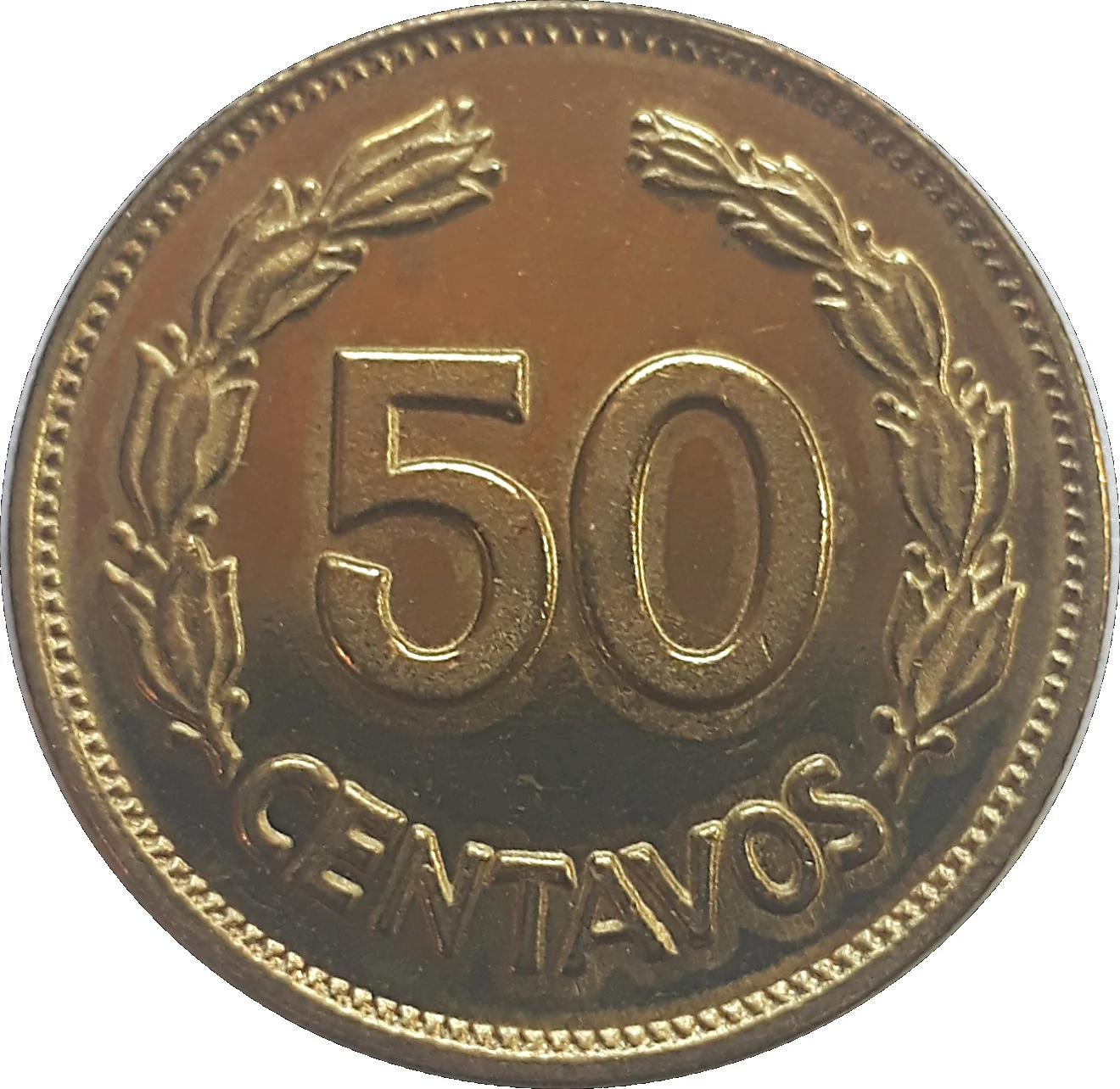
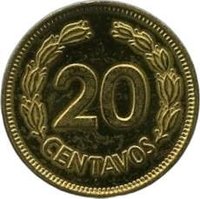
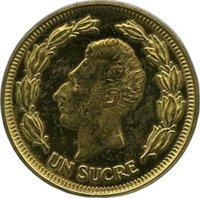
Reverse
Edge
Categories
| Symbols> Coat of Arms |
Mintings
| Year | Mint Mark | Mintage | Quality | Collection |
|---|---|---|---|---|
| 1975 | — | — |
Historical background
By 1975, Ecuador's currency situation was characterized by mounting instability and inflationary pressures, largely stemming from the global oil shocks of the previous years. While the discovery of major oil reserves in the Amazon and the 1972 oil boom had initially flooded the state with petrodollars, leading to a period of rapid economic growth and ambitious state-led industrialization, this windfall proved difficult to manage. The military nationalist government of General Guillermo Rodríguez Lara engaged in heavy public spending and maintained a fixed exchange rate for the sucre, which became increasingly overvalued. This overvaluation hurt non-oil exports like bananas and coffee, while making imports artificially cheap, leading to a growing trade imbalance and a depletion of foreign reserves despite oil revenues.
The global recession triggered by the 1973 oil crisis soon exposed these vulnerabilities. As world oil prices stabilized and then declined slightly from their peak, Ecuador's revenue growth slowed while its import bill remained high. The fixed exchange rate regime, pegged at 25 sucres to the U.S. dollar since 1970, became unsustainable. To defend the peg, the government began drawing down its reserves and implementing mild austerity measures, but underlying inflation—fueled by years of expansive fiscal policy—continued to rise, eroding the sucre's real value. This created a classic scenario of currency overvaluation, where the official exchange rate did not reflect the currency's true market strength or the country's deteriorating economic fundamentals.
Consequently, 1975 marked a pivotal year of transition and crisis. Facing severe balance-of-payments difficulties and pressure from international creditors, the government was forced to abandon its rigid exchange rate. In a significant devaluation, the sucre was pegged to a weaker rate, initially moving to 28.5 sucres per dollar by year's end. This devaluation was a stark admission that the oil boom's promise of permanent prosperity was faltering, setting the stage for the deeper economic challenges, foreign debt accumulation, and a series of further devaluations that would characterize the late 1970s and 1980s in Ecuador.
The global recession triggered by the 1973 oil crisis soon exposed these vulnerabilities. As world oil prices stabilized and then declined slightly from their peak, Ecuador's revenue growth slowed while its import bill remained high. The fixed exchange rate regime, pegged at 25 sucres to the U.S. dollar since 1970, became unsustainable. To defend the peg, the government began drawing down its reserves and implementing mild austerity measures, but underlying inflation—fueled by years of expansive fiscal policy—continued to rise, eroding the sucre's real value. This created a classic scenario of currency overvaluation, where the official exchange rate did not reflect the currency's true market strength or the country's deteriorating economic fundamentals.
Consequently, 1975 marked a pivotal year of transition and crisis. Facing severe balance-of-payments difficulties and pressure from international creditors, the government was forced to abandon its rigid exchange rate. In a significant devaluation, the sucre was pegged to a weaker rate, initially moving to 28.5 sucres per dollar by year's end. This devaluation was a stark admission that the oil boom's promise of permanent prosperity was faltering, setting the stage for the deeper economic challenges, foreign debt accumulation, and a series of further devaluations that would characterize the late 1970s and 1980s in Ecuador.
💎 Extremely Rare