

1 Salung – Thailand
Thailand
Context
Year: 1915
Thai Year: 2458
Issuer: Thailand 
Ruler: Phra Mongkut Klao
Currency:
(since 1897)
Demonetized: Yes
Total mintage: 2,040,000
Material
References
Y: #Click to copy to clipboard43
Numista: #23950
Value
Exchange value: 0.25 THB = $0.01
Bullion value: $8.65
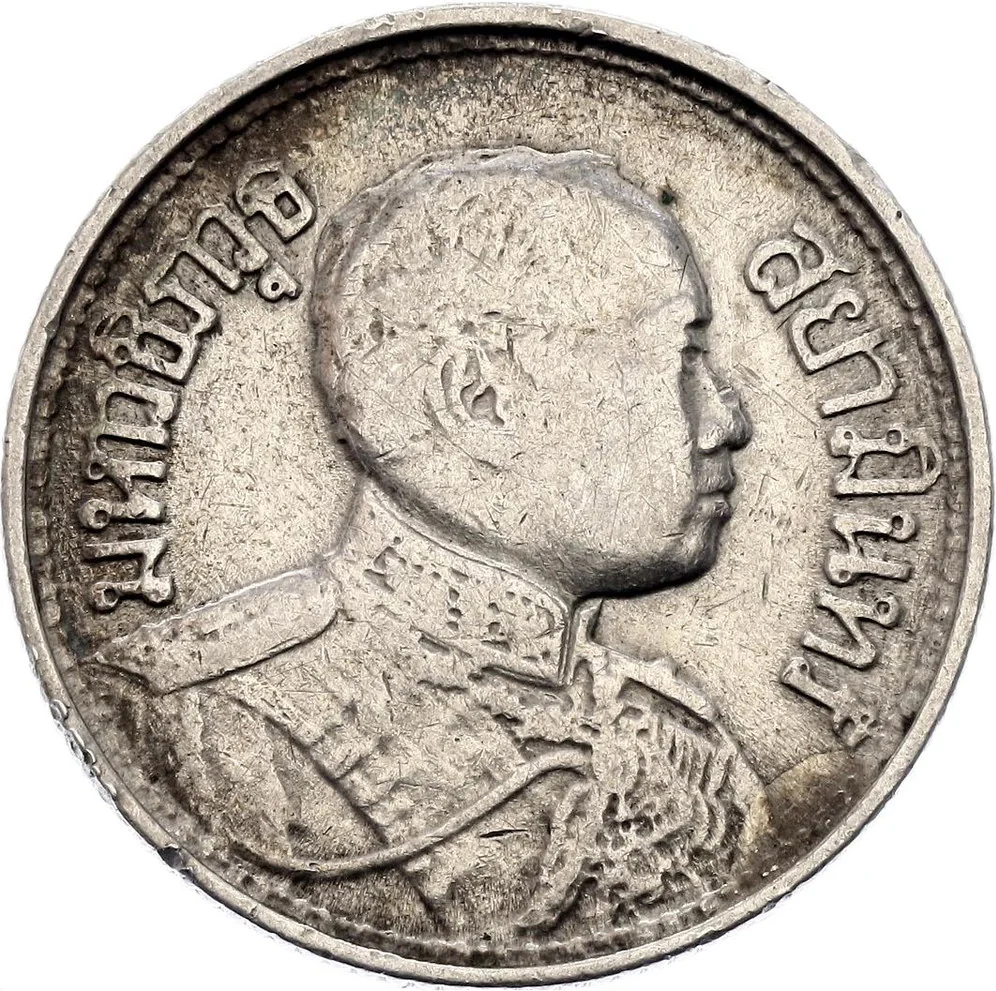
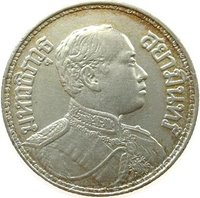
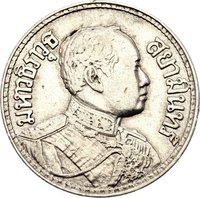
Obverse
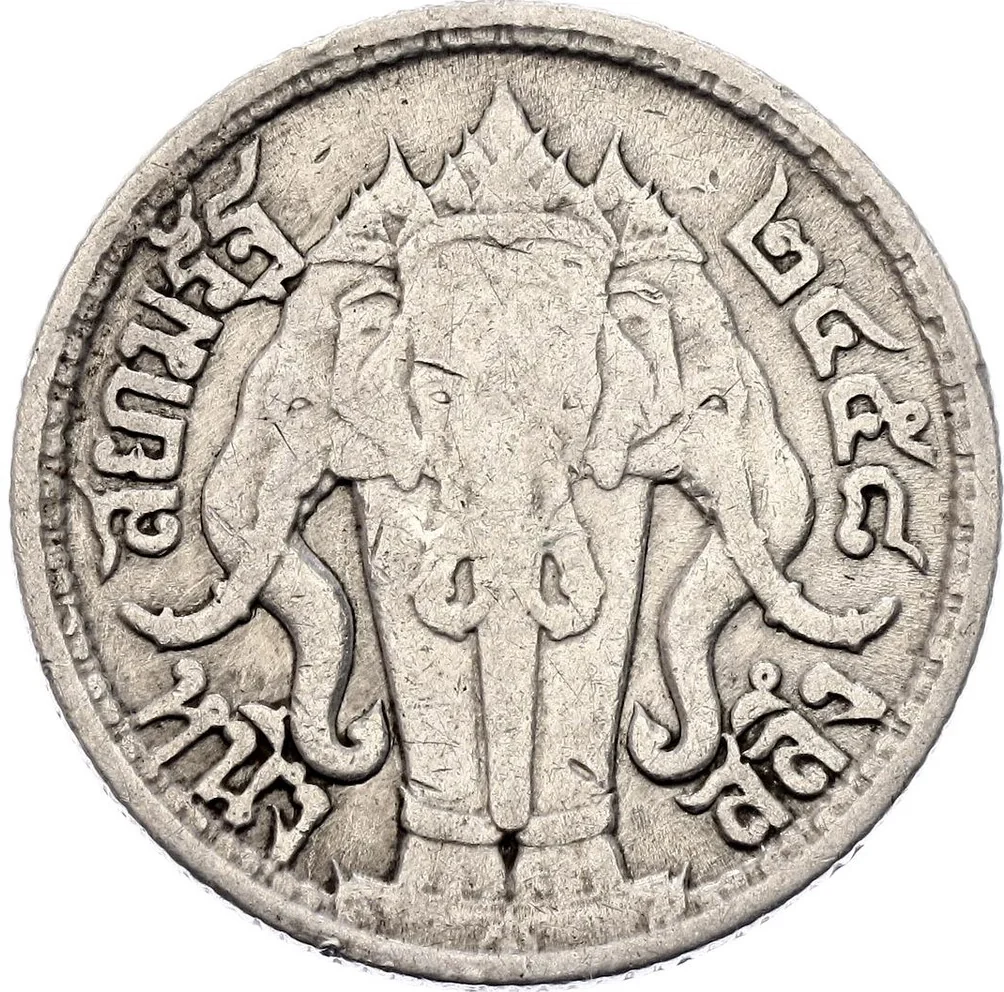
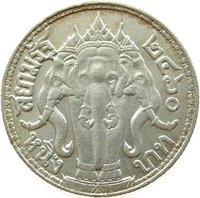
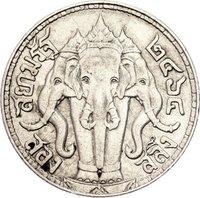
Reverse
Edge
Reeded
Mintings
| Year | Mint Mark | Mintage | Quality | Collection |
|---|---|---|---|---|
| 1915 | — | 2,040,000 |
Historical background
In 1915, Thailand, then known as Siam, operated under a complex and transitional monetary system. The official currency was the baht, a silver-based unit, but the economy was dominated by the tical, a physical silver bullet coin used for everyday transactions. This created a dual system where accounting was in baht but payment was often in tical weight. Furthermore, the country lacked a unified, state-issued paper currency; instead, a variety of private banknotes circulated, issued by three major foreign-owned banks (notably the Hongkong and Shanghai Banking Corporation) and even some royal family members, leading to inconsistencies in trust and acceptance.
This fragmented system existed within a challenging regional context. The global shift from the silver to the gold standard in the late 19th century had caused the value of silver-based Siamese currency to fluctuate wildly against the gold-backed pound and dollar, creating instability for international trade. While King Chulalongkorn (Rama V) had established a modern mint and taken steps toward monetary reform, his death in 1910 slowed progress. By 1915, King Vajiravudh (Rama VI) was ruling, and the pressures of World War I, though Siam remained neutral until 1917, were disrupting global silver markets and trade flows, exacerbating the existing vulnerabilities.
Consequently, the currency situation in 1915 was one of mounting pressure for centralization and modernization. The coexistence of metallic and multiple private paper currencies was seen as inefficient and a barrier to economic sovereignty. This environment set the stage for a major reform: just three years later, in 1918, the Paper Currency Act would be passed, granting the government a monopoly on banknote issuance and paving the way for the establishment of the Baht as a decimalized, managed national currency, marking the definitive end of the old silver-bullet economy.
This fragmented system existed within a challenging regional context. The global shift from the silver to the gold standard in the late 19th century had caused the value of silver-based Siamese currency to fluctuate wildly against the gold-backed pound and dollar, creating instability for international trade. While King Chulalongkorn (Rama V) had established a modern mint and taken steps toward monetary reform, his death in 1910 slowed progress. By 1915, King Vajiravudh (Rama VI) was ruling, and the pressures of World War I, though Siam remained neutral until 1917, were disrupting global silver markets and trade flows, exacerbating the existing vulnerabilities.
Consequently, the currency situation in 1915 was one of mounting pressure for centralization and modernization. The coexistence of metallic and multiple private paper currencies was seen as inefficient and a barrier to economic sovereignty. This environment set the stage for a major reform: just three years later, in 1918, the Paper Currency Act would be passed, granting the government a monopoly on banknote issuance and paving the way for the establishment of the Baht as a decimalized, managed national currency, marking the definitive end of the old silver-bullet economy.
⭐ Somewhat Rare