

6 Pence – United Kingdom
United Kingdom
Context
Years: 1926–1927
Issuer: United Kingdom 
Ruler: George V
Currency:
(1158—1970)
Demonetization: 30 June 1980
Total mintage: 68,954,800
Material
References
KM: #Click to copy to clipboard828
Numista: #2344
Value
Bullion value: $4.05
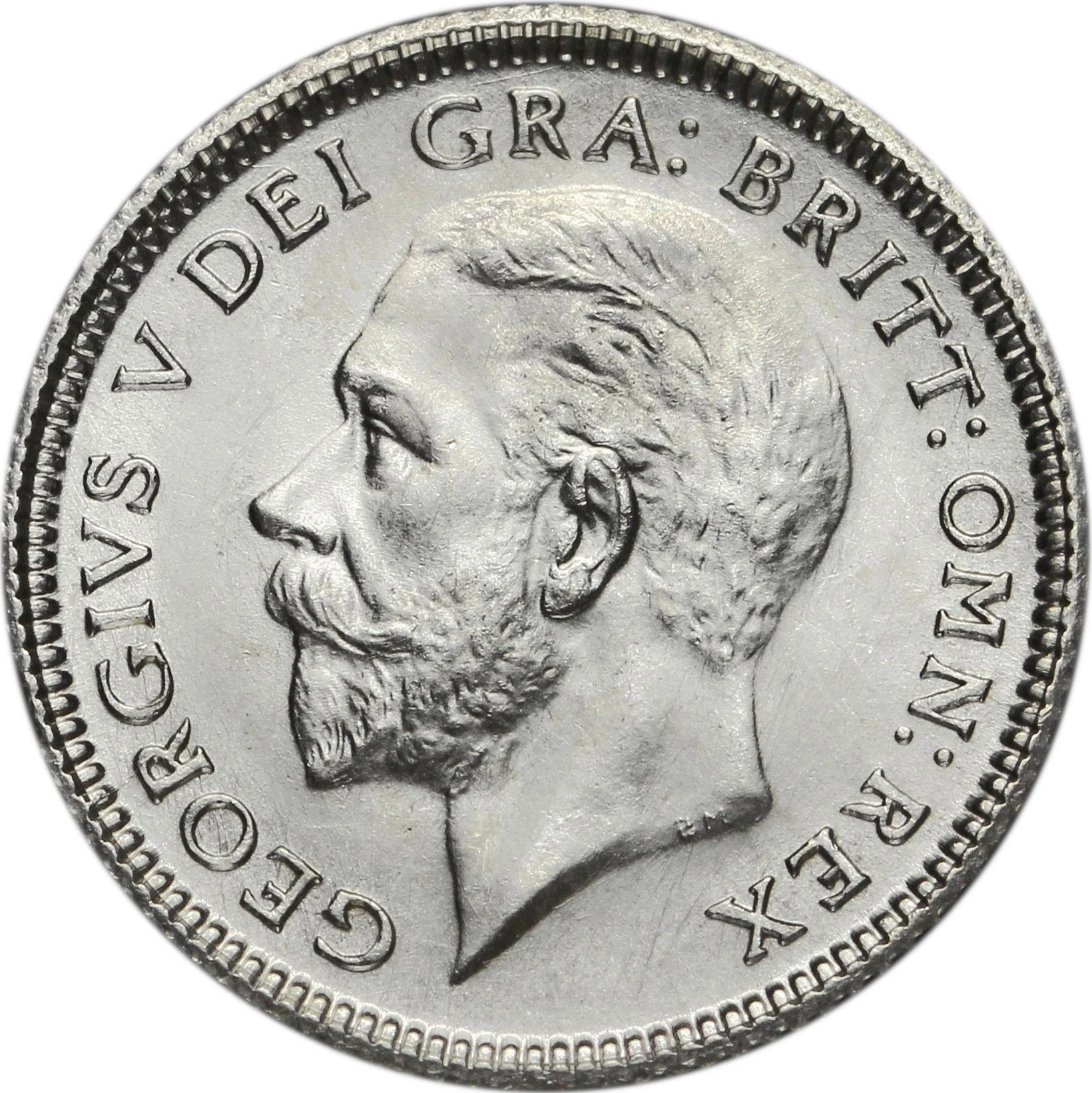
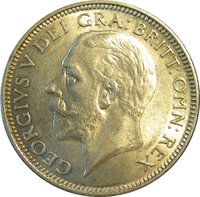
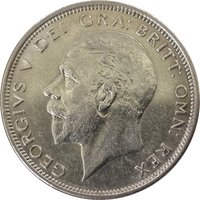
Obverse
Description:
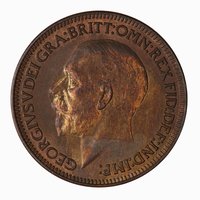
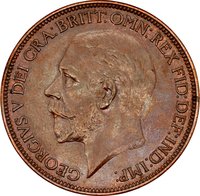
King George V left profile, legend around, designer initials on truncation.
Inscription:
GEORGIVS V DEI GRA:BRITT:OMN:REX
BM
BM
Translation:
George V by the Grace of God King of all the Britains
Script: Latin
Language: Latin
Engraver: Edgar Bertram MacKennal
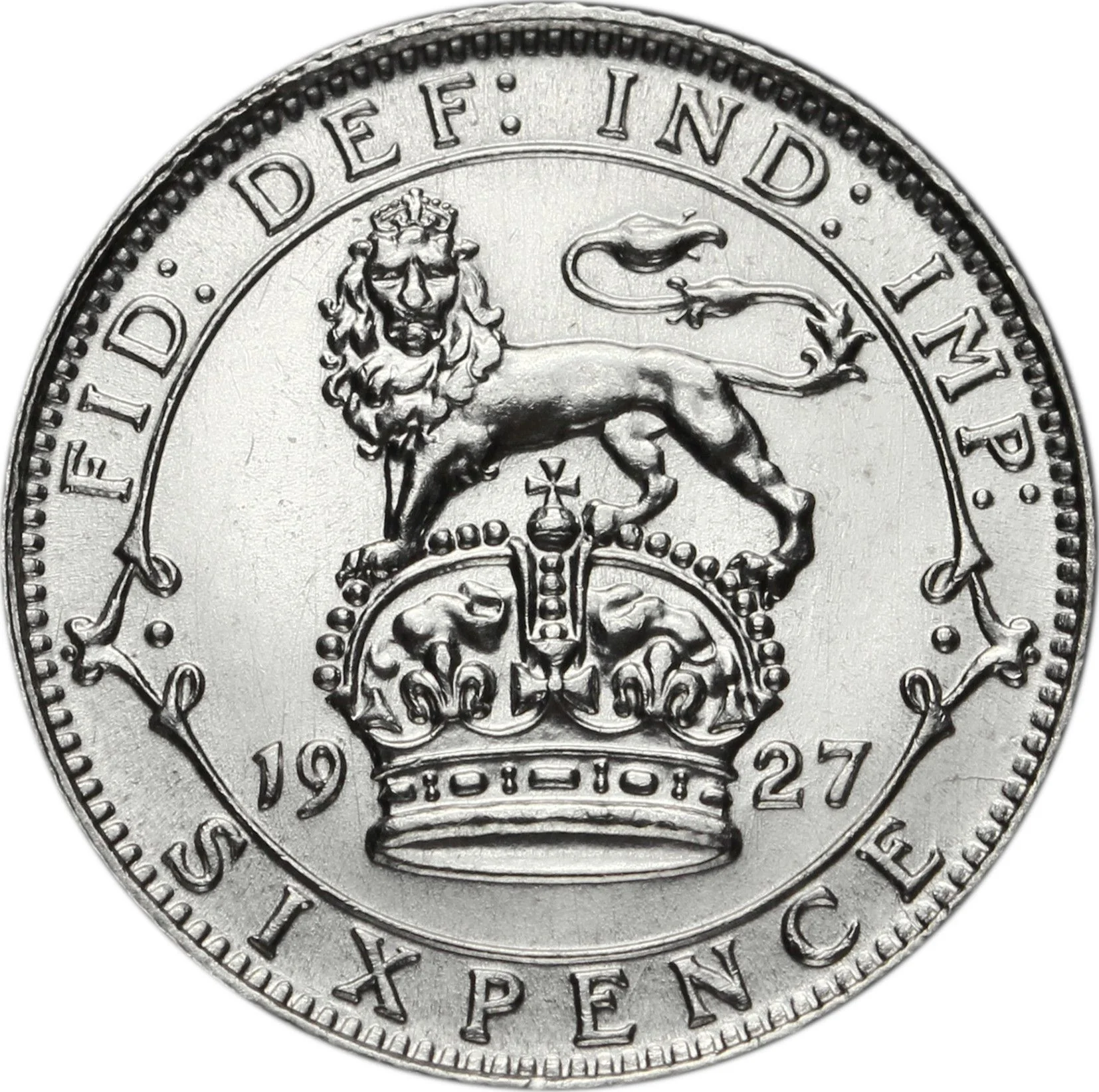
Reverse
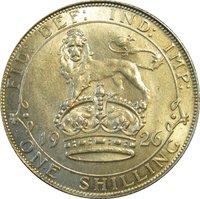
Description:
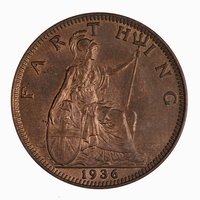
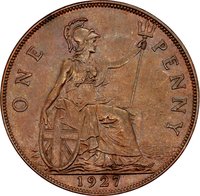
Crowned lion atop crown, date within circle, legend above, denomination below.
Inscription:
FID: DEF: IND: IMP:
SIXPENCE
19 27
SIXPENCE
19 27
Translation:
Faith: Defender: of the Faith: Emperor:
SIXPENCE
19 27
SIXPENCE
19 27
Script: Latin
Language: Latin
Engraver: George William de Saulles
Edge
Reeded
Mints
| Name | Mark |
|---|---|
| Royal Mint (Tower Hill) | — |
Mintings
| Year | Mint Mark | Mintage | Quality | Collection |
|---|---|---|---|---|
| 1926 | — | — | ||
| 1927 | — | 68,939,800 | ||
| 1927 | — | 15,000 | Proof |
Historical background
In 1926, the United Kingdom's currency situation was dominated by the aftermath of its return to the Gold Standard in April 1925 under Chancellor of the Exchequer Winston Churchill. This policy, advised by the Bank of England and seeking to restore London's pre-war financial prestige, fixed the pound sterling at its pre-war parity of $4.86. However, this rate was widely considered overvalued, making British exports expensive and uncompetitive on the global market. The resulting pressure on key industries like coal, textiles, and shipbuilding led to widespread deflation, wage cuts, and severe unemployment, creating the economic discontent that culminated in the 1926 General Strike.
The core monetary problem was the "gold standard straitjacket." To maintain the fixed exchange rate and prevent gold outflows, the Bank of England was forced to maintain high interest rates, which stifled domestic investment and economic growth. This tight monetary policy aimed to defend the pound's value but came at the cost of deepening industrial depression and social unrest. The system also created a persistent balance of payments problem, as the overvalued pound encouraged imports and discouraged exports, draining gold reserves.
Consequently, 1926 was a year of intense strain on the monetary framework. While the Gold Standard itself remained officially sacrosanct—a symbol of financial orthodoxy and stability—its real-world consequences were starkly evident in the industrial turmoil of the General Strike. The currency regime, designed for global financial dominance, was exacerbating domestic economic hardship, setting the stage for the intense debates and eventual abandonment of gold that would follow in 1931 during the Great Depression.
The core monetary problem was the "gold standard straitjacket." To maintain the fixed exchange rate and prevent gold outflows, the Bank of England was forced to maintain high interest rates, which stifled domestic investment and economic growth. This tight monetary policy aimed to defend the pound's value but came at the cost of deepening industrial depression and social unrest. The system also created a persistent balance of payments problem, as the overvalued pound encouraged imports and discouraged exports, draining gold reserves.
Consequently, 1926 was a year of intense strain on the monetary framework. While the Gold Standard itself remained officially sacrosanct—a symbol of financial orthodoxy and stability—its real-world consequences were starkly evident in the industrial turmoil of the General Strike. The currency regime, designed for global financial dominance, was exacerbating domestic economic hardship, setting the stage for the intense debates and eventual abandonment of gold that would follow in 1931 during the Great Depression.
🌱 Common