

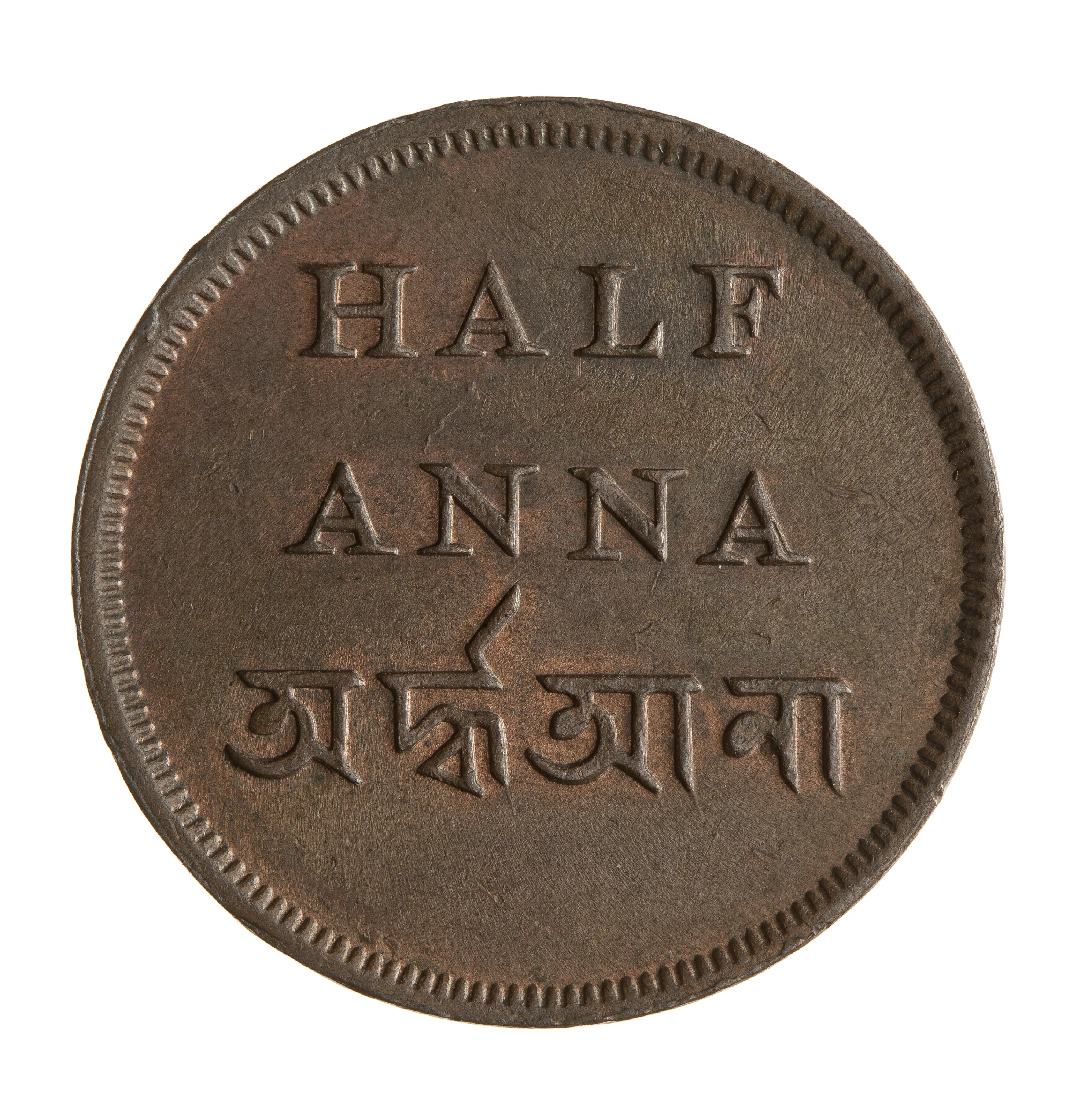
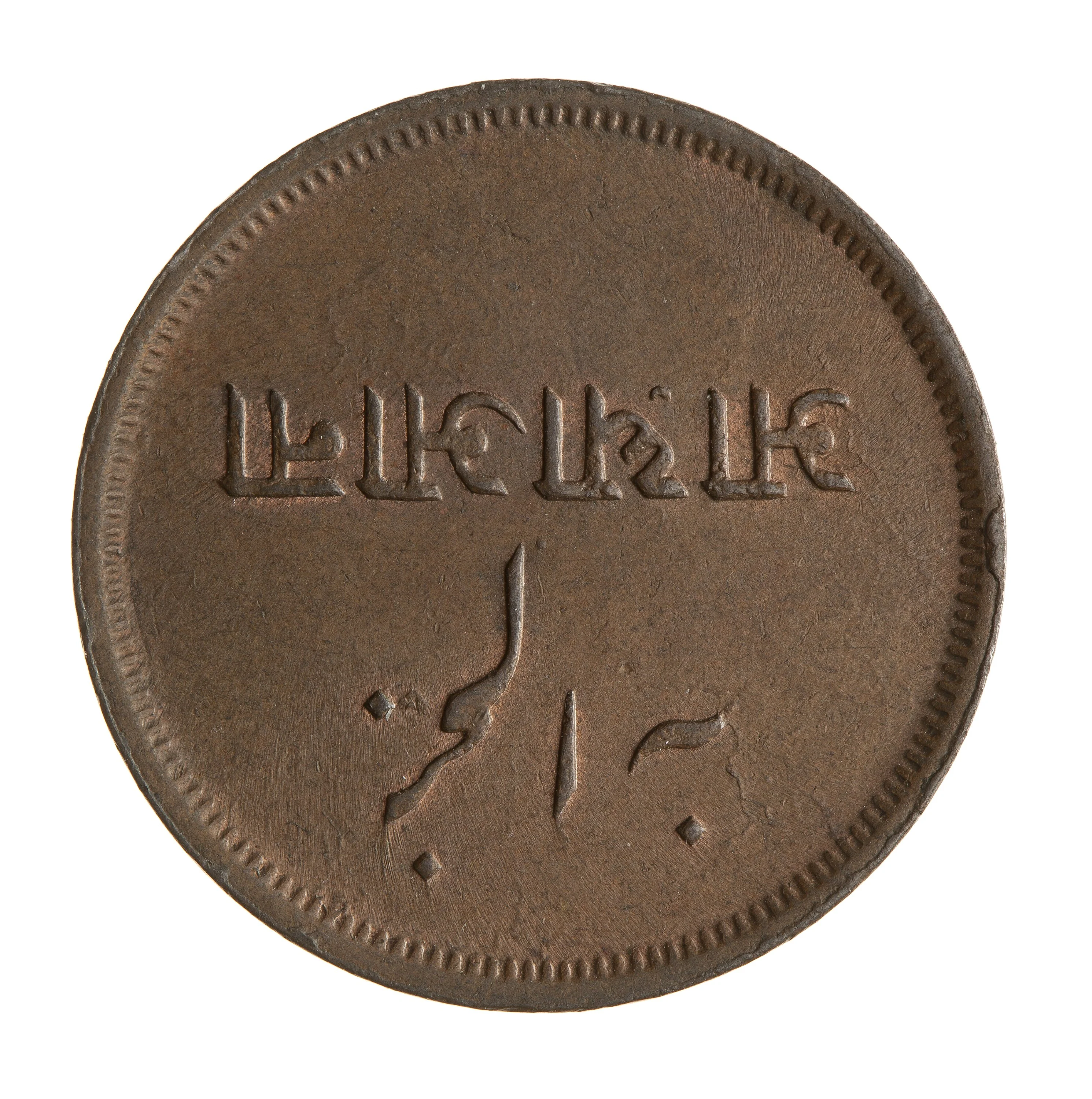
½ Anna – Bengal Presidency
India
Context

Material
References
KM: #Click to copy to clipboard59
Numista: #22955
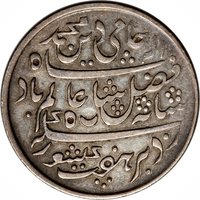
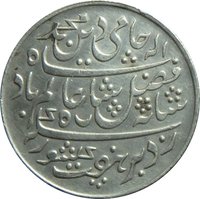
Obverse
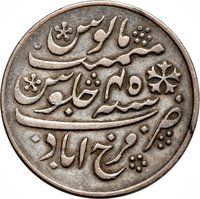
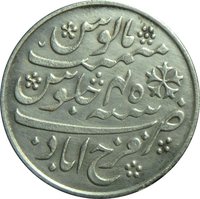
Reverse
Edge
Plain
Mints
| Name | Mark |
|---|---|
| Kolkata / Calcutta / Murshidabad | — |
Mintings
| Year | Mint Mark | Mintage | Quality | Collection |
|---|---|---|---|---|
| — | — | — | ||
| — | — | — | Proof |
Historical background
In 1831, the Bengal Presidency was grappling with a complex and deeply problematic currency system, a legacy of decades of competing monetary standards. The core issue was the coexistence of two primary silver currencies: the British-introduced Company Rupee and the older, slightly heavier Sicca Rupee. The Sicca Rupee, valued higher due to its greater silver content, was the official standard for government revenue, creating a persistent duality. Furthermore, a multitude of older, often debased Mughal and regional coins remained in circulation, especially in rural areas, leading to widespread confusion, fraud, and exchange rate volatility that hampered trade and revenue collection.
The East India Company administration had long recognized this chaos as an impediment to efficient governance and commerce. Previous attempts at reform, like the coinage regulation of 1818, had failed to establish a single, uniform currency. By 1831, the financial strain of the First Anglo-Burmese War (1824-26) had exacerbated the situation, depleting silver reserves and increasing the pressure to rationalize the system. The Presidency was effectively on the brink of a major monetary reform, with officials and committees actively debating the path toward a unified coinage.
Thus, the currency situation in 1831 was one of transition and mounting pressure for change. It was a fragmented and inefficient system that directly contradicted the Company's desire for administrative uniformity and economic control. This context set the stage for the significant reforms that would follow, culminating in the Coinage Act of 1835, which finally introduced the uniform "Company Rupee" throughout British India, permanently retiring the Sicca standard and establishing a single, decimalized currency.
The East India Company administration had long recognized this chaos as an impediment to efficient governance and commerce. Previous attempts at reform, like the coinage regulation of 1818, had failed to establish a single, uniform currency. By 1831, the financial strain of the First Anglo-Burmese War (1824-26) had exacerbated the situation, depleting silver reserves and increasing the pressure to rationalize the system. The Presidency was effectively on the brink of a major monetary reform, with officials and committees actively debating the path toward a unified coinage.
Thus, the currency situation in 1831 was one of transition and mounting pressure for change. It was a fragmented and inefficient system that directly contradicted the Company's desire for administrative uniformity and economic control. This context set the stage for the significant reforms that would follow, culminating in the Coinage Act of 1835, which finally introduced the uniform "Company Rupee" throughout British India, permanently retiring the Sicca standard and establishing a single, decimalized currency.
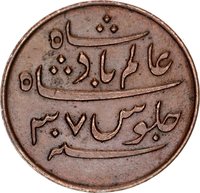
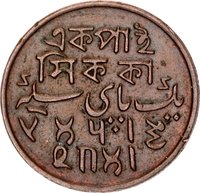
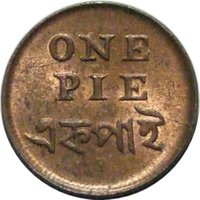
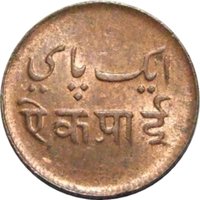
⭐ Somewhat Rare