

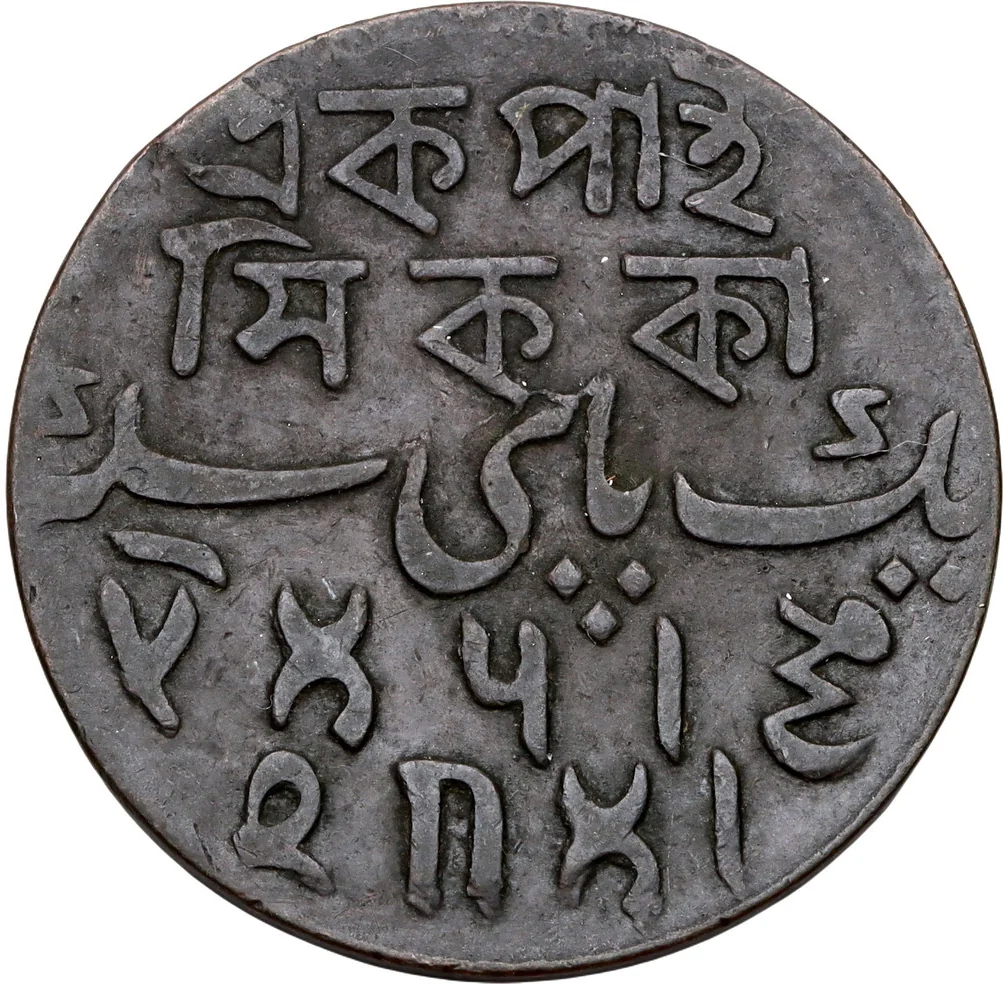
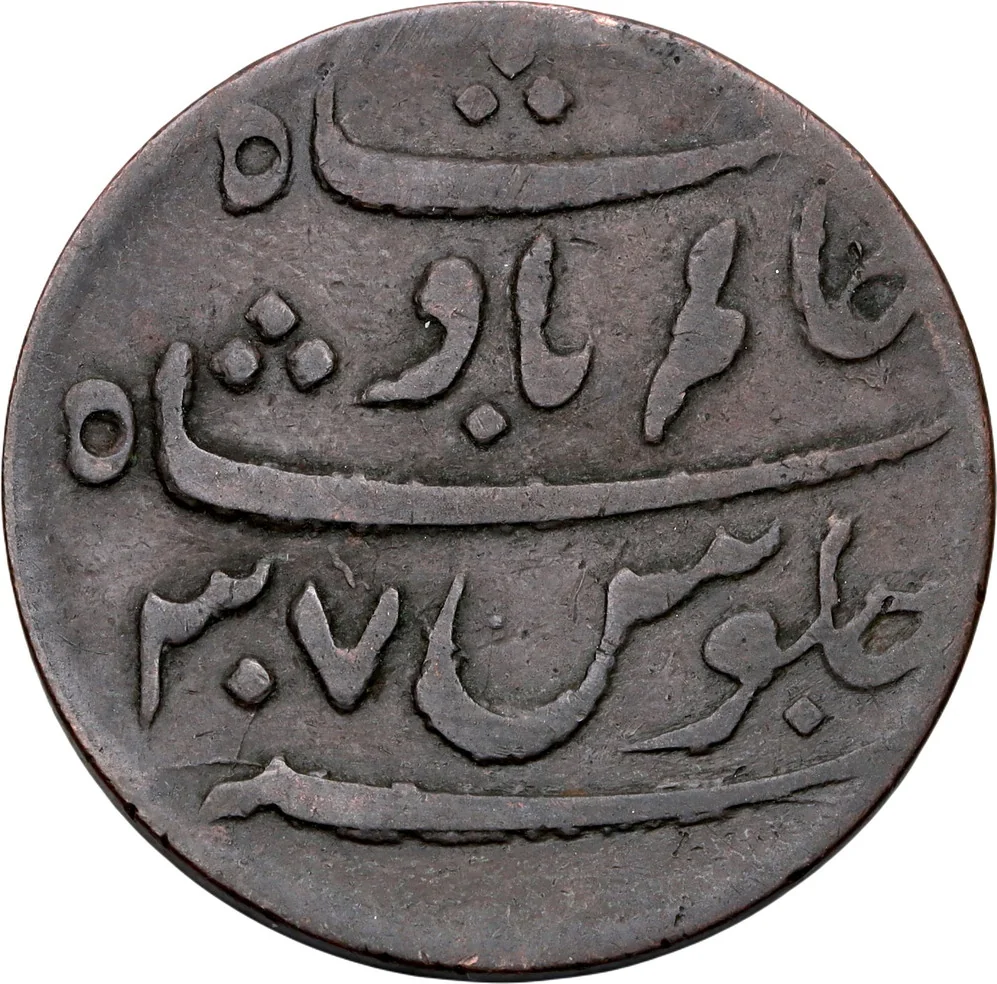
1 paisa – Bengal Presidency
Add to wishlist
India
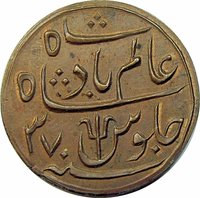
Obverse
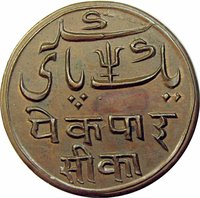
Reverse
Edge
Plain
Mintings
| Year | Mint Mark | Mintage | Quality | Collection |
|---|---|---|---|---|
| 1829 | — | — | ||
| 1829 | — | — | Proof |
Historical background
By 1829, the Bengal Presidency's currency system was a complex and often chaotic bimetallic structure, still grappling with the legacy of the 1766 "Standard Regulation" which had fixed the exchange rate between the silver rupee and the gold mohur. This fixed ratio, established when both metals circulated freely, was repeatedly destabilised by fluctuations in the global market value of gold and silver. The result was a persistent problem where one metal would be undervalued at the mint, causing it to be hoarded or exported, while the other flooded into circulation, leading to a chronic shortage of standardized, full-weight coins.
The East India Company administration had attempted reforms, most notably with Lord Liverpool's Coinage Act of 1793 and subsequent regulations, which established the silver rupee as the sole legal tender for large transactions and the de facto standard of value. However, in practice, a vast array of older, worn, and foreign coins—including Mughal rupees, Arcot rupees, and gold pagodas—remained in everyday use, especially in rural areas. This proliferation necessitated constant discounting and assay by shroffs (money-changers), creating commercial uncertainty and transaction costs.
Consequently, the currency situation in 1829 was one of transition and frustration. The Company's goal of a uniform, imperial coinage was clear, but the practical reality was a fragmented monetary landscape. The system imposed a significant burden on trade and revenue collection, setting the stage for the more decisive reforms that would follow, culminating in the Uniform Coinage Act of 1835 which finally introduced the Company's unified silver rupee across British India.
The East India Company administration had attempted reforms, most notably with Lord Liverpool's Coinage Act of 1793 and subsequent regulations, which established the silver rupee as the sole legal tender for large transactions and the de facto standard of value. However, in practice, a vast array of older, worn, and foreign coins—including Mughal rupees, Arcot rupees, and gold pagodas—remained in everyday use, especially in rural areas. This proliferation necessitated constant discounting and assay by shroffs (money-changers), creating commercial uncertainty and transaction costs.
Consequently, the currency situation in 1829 was one of transition and frustration. The Company's goal of a uniform, imperial coinage was clear, but the practical reality was a fragmented monetary landscape. The system imposed a significant burden on trade and revenue collection, setting the stage for the more decisive reforms that would follow, culminating in the Uniform Coinage Act of 1835 which finally introduced the Company's unified silver rupee across British India.
🌱 Fairly Common