

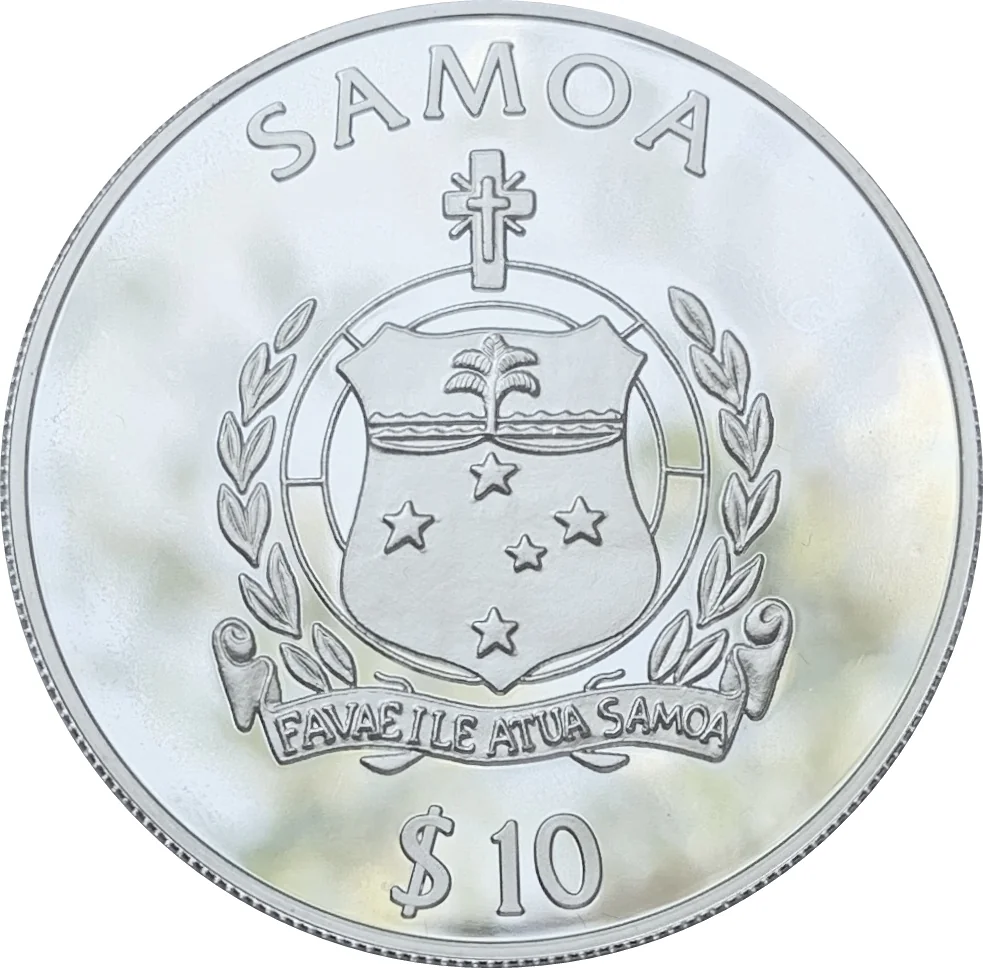
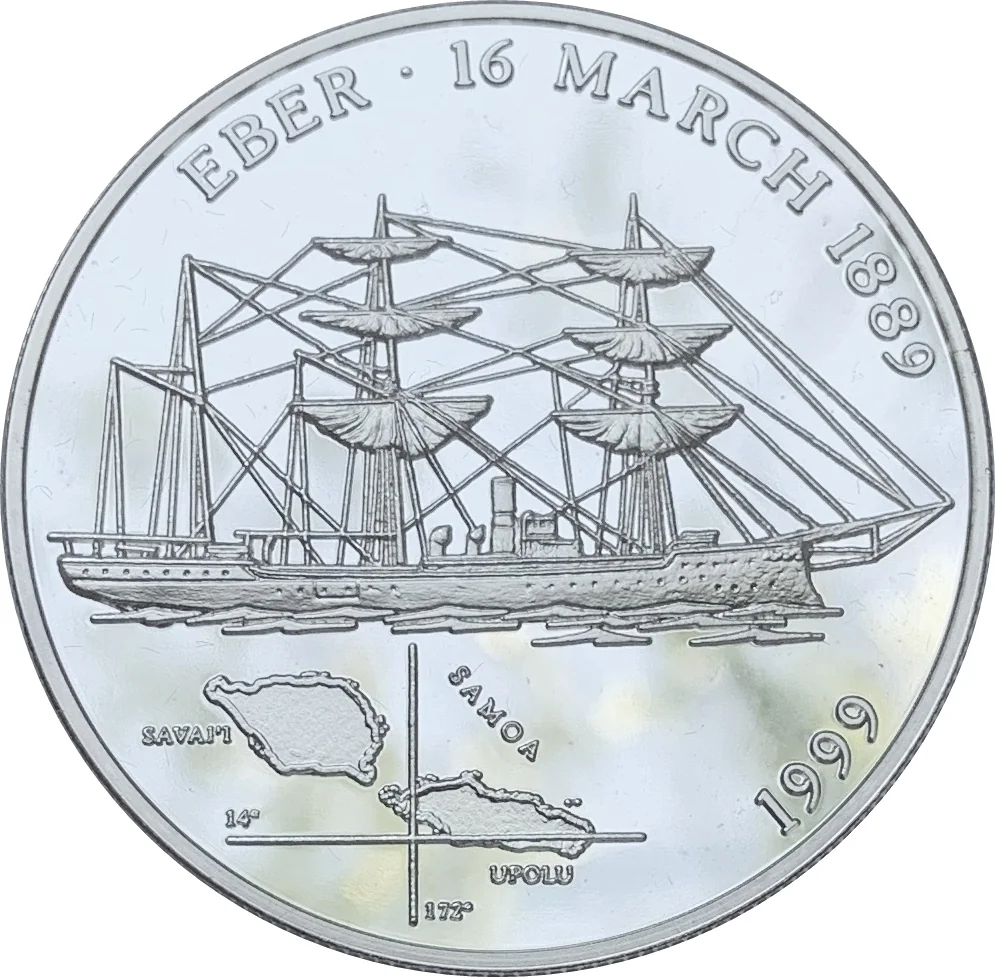
10 tala – Samoa
Add to wishlist
Samoa
Material
Diameter: 39 mm
Weight: 31.42 g
Silver Weight:: 29.06 g
Shape: Round
Composition: 92.5% Silver
Standard: Silver ounce
Magnetic: No
Technique: Milled
Alignment: Medal alignment
flip
References
Numista: #228227
Value
Exchange value: 10 WST
Bullion value: $74.36
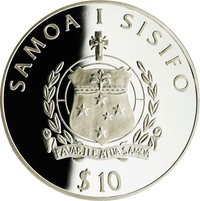
Obverse
Reverse
Edge
Reeded
Categories
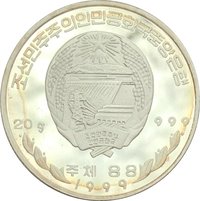
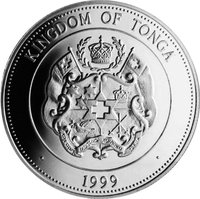
| Symbols> Coat of Arms |
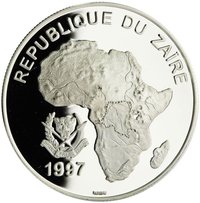
| Map |
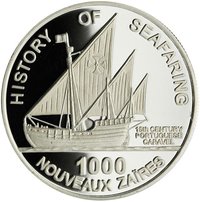
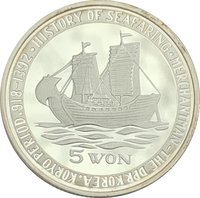
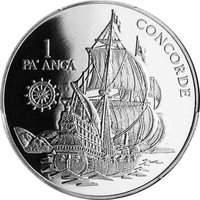
| Transportation> Watercraft |
Mintings
| Year | Mint Mark | Mintage | Quality | Collection |
|---|---|---|---|---|
| 1999 | — | 20,000 |
Historical background
In 1999, Samoa (officially the Independent State of Samoa) was in the final year of a significant currency transition. Since 1967, the nation had used the Samoan tālā (WST), which was pegged to a basket of currencies and, for many years, had a strong informal link to the New Zealand dollar. However, by the late 1990s, the country was grappling with economic challenges that put severe pressure on this peg. A major cyclone in 1990 and 1991 had devastated infrastructure and key agricultural exports, while financial sector problems and public debt mounted. This led to a balance of payments crisis, depleting foreign reserves and making the existing fixed exchange rate unsustainable.
Consequently, in July 1998, the Samoan government, in consultation with the International Monetary Fund (IMF), made the pivotal decision to devalue the tālā by 25% and simultaneously shift to a managed float. The year 1999 was therefore a period of adjustment to this new regime. The devaluation aimed to restore international competitiveness by making Samoan exports cheaper and imports more expensive, thereby correcting the trade imbalance and rebuilding foreign reserves. This was a central element of a broader structural reform program supported by the IMF.
The immediate effects in 1999 were mixed, reflecting the painful but necessary nature of the adjustment. While the devaluation successfully boosted remittances and tourism earnings in foreign currency, it also triggered a sharp rise in inflation, increasing the cost of living for many Samoans. The government accompanied the currency move with tight fiscal and monetary policies to curb inflationary pressures. Thus, the currency situation in 1999 was defined by the aftermath of a major devaluation, as the nation worked to stabilize its economy under a new, more flexible exchange rate system designed to foster long-term growth.
Consequently, in July 1998, the Samoan government, in consultation with the International Monetary Fund (IMF), made the pivotal decision to devalue the tālā by 25% and simultaneously shift to a managed float. The year 1999 was therefore a period of adjustment to this new regime. The devaluation aimed to restore international competitiveness by making Samoan exports cheaper and imports more expensive, thereby correcting the trade imbalance and rebuilding foreign reserves. This was a central element of a broader structural reform program supported by the IMF.
The immediate effects in 1999 were mixed, reflecting the painful but necessary nature of the adjustment. While the devaluation successfully boosted remittances and tourism earnings in foreign currency, it also triggered a sharp rise in inflation, increasing the cost of living for many Samoans. The government accompanied the currency move with tight fiscal and monetary policies to curb inflationary pressures. Thus, the currency situation in 1999 was defined by the aftermath of a major devaluation, as the nation worked to stabilize its economy under a new, more flexible exchange rate system designed to foster long-term growth.
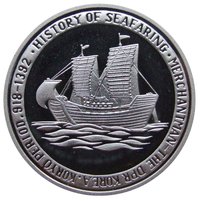
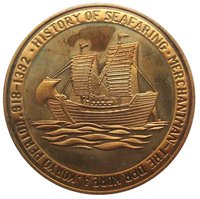
Series: History of Seafaring

✨ Legendary